
When your body overreacts to something harmless—like peanuts, bee stings, or certain medicines—it can trigger a full-body emergency called anaphylaxis, a severe, life-threatening allergic reaction that affects multiple organ systems. Also known as anaphylactic shock, it doesn’t wait for permission to strike. Symptoms can start in seconds and worsen rapidly, making every minute count. This isn’t just a bad rash or a stuffy nose. Anaphylaxis shuts down breathing, drops blood pressure, and can kill if not treated fast.
Most cases are caused by allergens, substances that trigger an immune system overreaction in sensitive people. Common ones include foods like peanuts, shellfish, and eggs; insect stings from bees or wasps; and medications like penicillin or NSAIDs. Even latex or exercise in rare cases can set it off. What makes anaphylaxis dangerous isn’t the allergen itself—it’s how your body responds. Histamine floods your system, blood vessels leak fluid, airways swell, and your heart struggles to pump. That’s why epinephrine, the only medication that can reverse anaphylaxis by tightening blood vessels and opening airways is non-negotiable. Antihistamines? They help with itching or hives—but they won’t stop you from dying.
People who’ve had anaphylaxis before are at higher risk of it happening again. That’s why carrying an epinephrine auto-injector isn’t optional—it’s survival gear. And knowing how to use it matters more than owning it. Many deaths happen because the right person doesn’t inject in time, or someone else is too scared to act. Emergency rooms aren’t the first line of defense—your hand with the pen-like injector is. After using epinephrine, you still need to call 911. The reaction can come back, even hours later. That’s why staying under medical watch for several hours after the first dose is standard.
What you’ll find in the posts below isn’t just theory. These are real-world stories and facts about how medications, allergies, and emergency responses intersect. You’ll see how drug interactions can trigger reactions, why some people don’t recognize early signs, and how to protect yourself or someone you love. There’s no sugarcoating here. Anaphylaxis doesn’t care if you’re careful, busy, or distracted. But knowledge? That can change everything.
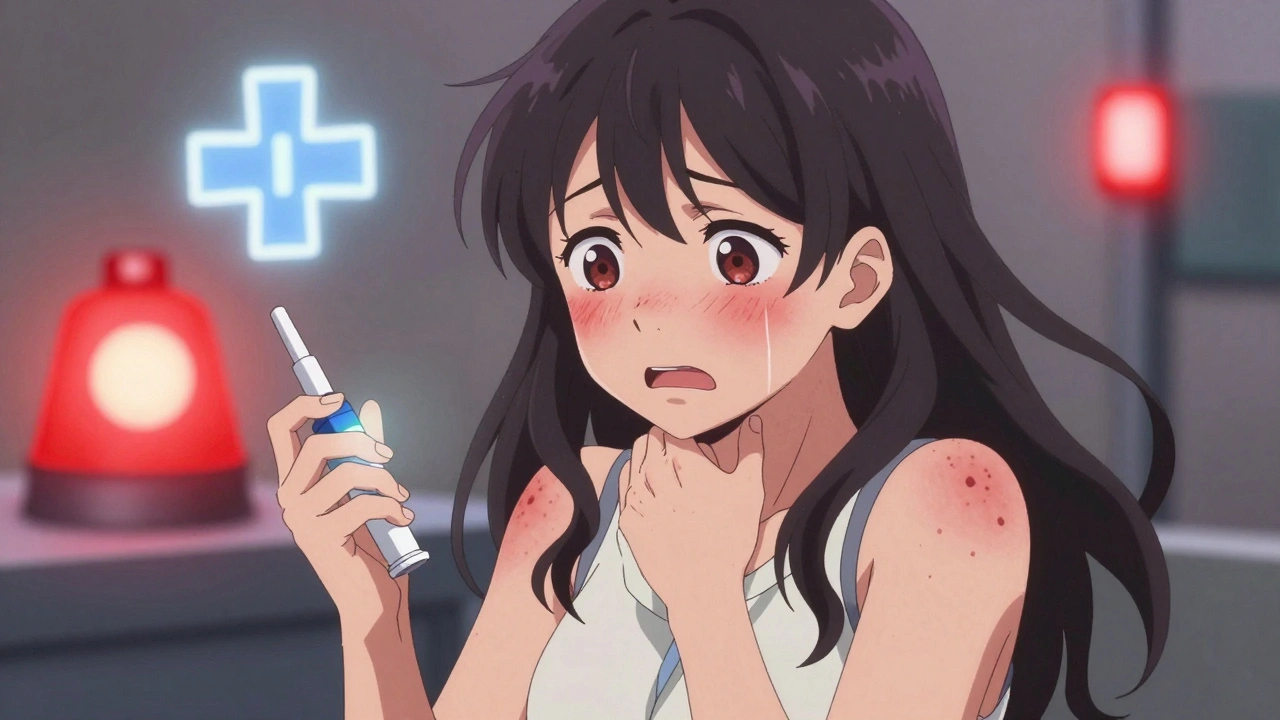
Severe drug reactions can be deadly. Know the warning signs-like trouble breathing, skin peeling, or swelling-and act fast. Epinephrine saves lives in anaphylaxis. Delaying help can cost you yours.

I recently came across some fascinating new research on the potential uses of Ticlopidine, a medication traditionally prescribed to prevent blood clots. Scientists are now exploring its potential in treating other medical conditions, such as Parkinson's disease and certain types of cancer. It's exciting to see how researchers are constantly pushing the boundaries of medical knowledge and discovering unexpected applications for existing drugs. I'll be keeping a close eye on the progress of these studies and will keep you all updated on any significant developments. Who knows, Ticlopidine could soon play a crucial role in the treatment of a whole new range of diseases!

I recently discovered the incredible benefits of Scurvy Grass, a dietary supplement that's truly a game changer. Packed with essential nutrients like vitamin C, iron, and calcium, it's a powerhouse for immune support and overall health. Not only does it help prevent scurvy, but it also aids in digestion, supports bone health, and has anti-inflammatory properties. I've been incorporating it into my daily routine, and I'm already noticing a difference in my well-being. If you're looking for an all-natural supplement to boost your health, I highly recommend giving Scurvy Grass a try!

Everything you need to know about Clozaril (clozapine): how it works, who takes it, medical facts, tips, side effects, and real-life advice for families.

Find out how and where to buy Nefazodone online in 2025 safely, including tips on avoiding scams, legal facts, and what you need to know before ordering.
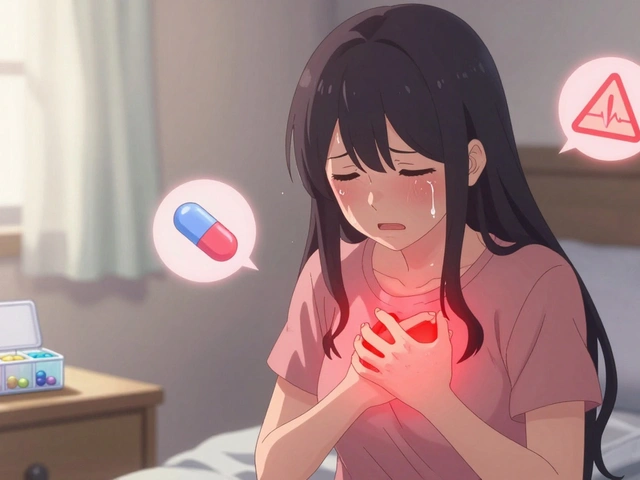
Learn the early warning signs of dangerous medication side effects that can lead to hospitalization or death. Know when to act fast and how to protect yourself before it's too late.