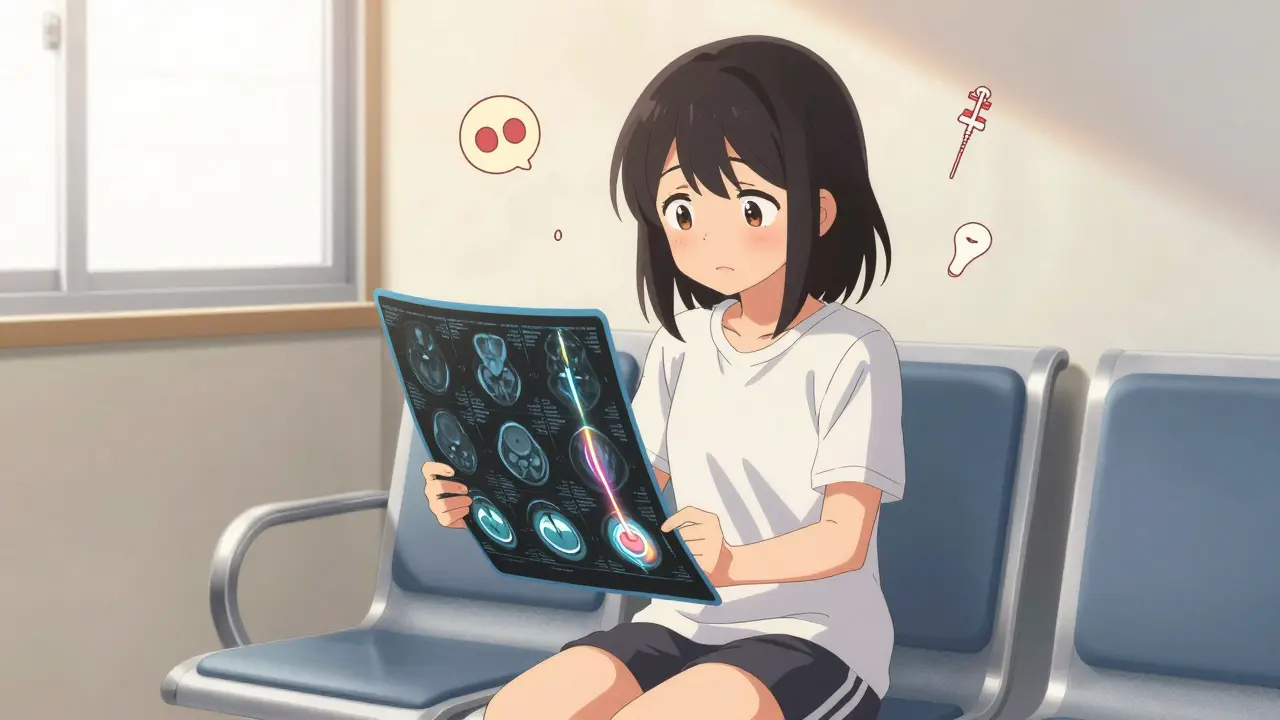
A hip labral tear isn’t just a minor injury-it’s a career-threatening issue for athletes who rely on explosive hip movement. Whether you’re a soccer player cutting sharply, a dancer turning en pointe, or a runner pounding pavement, a torn labrum can turn pain into a daily battle. Unlike a sprained ankle or pulled hamstring, this injury hides deep inside the joint, often going undetected until it’s advanced. The good news? We now know how to find it, fix it, and get athletes back on the field faster than ever before.
What Exactly Is the Hip Labrum?
The labrum is a ring of tough, rubbery cartilage that wraps around the outside of the hip socket. Think of it like a seal around a jar lid-it keeps the ball of the femur snug in the socket, stabilizes the joint, and absorbs shock during movement. When it tears, you don’t just feel pain. You feel instability, clicking, locking, or a deep ache that doesn’t go away with rest. It’s not a surface injury. It’s an internal structural failure.
Most tears happen because of femoroacetabular impingement (FAI), where bone spurs or an oddly shaped hip socket rub against the labrum over time. Basketball players, hockey athletes, and gymnasts are especially at risk because their sports demand extreme hip rotation. A 2022 study found that 22% to 55% of all athletic hip pain cases involve labral damage. And it’s not just pros-college and high school athletes are seeing more of these injuries than ever.
How Do You Know It’s a Labral Tear?
There’s no single test that gives you a yes-or-no answer. Diagnosis starts with a physical exam. Doctors check for pain during the FADIR test (flexion, adduction, internal rotation) or the FABER test (flexion, abduction, external rotation). If these movements trigger sharp pain or a clicking sensation, it’s a red flag. About 78% of patients with confirmed labral tears react strongly to one or both of these tests.
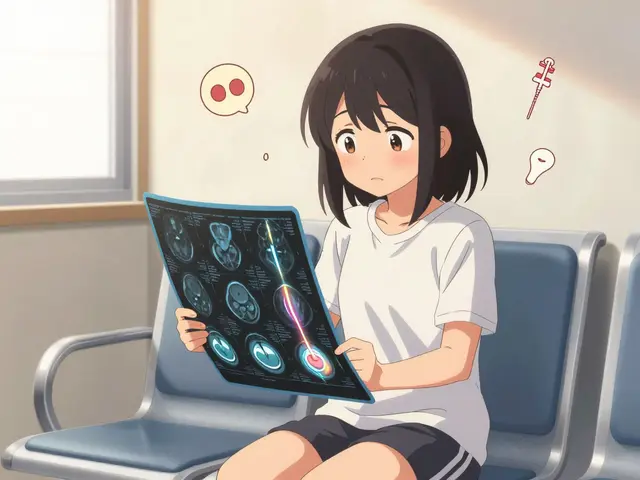
But physical exams alone aren’t enough. You need imaging. Plain X-rays come first-not to see the tear, but to spot bone problems like FAI or hip dysplasia. If the X-rays show abnormalities, the next step is imaging the soft tissue. Standard MRI? It misses up to 30% of labral tears. That’s why magnetic resonance arthrography (MRA) is now the gold standard for diagnosis. MRA injects contrast dye into the joint before the scan, making even small tears stand out clearly. Studies show it’s 90-95% accurate at spotting labral damage.
Still, nothing beats direct visualization. That’s where hip arthroscopy comes in. It’s not just a treatment-it’s the most reliable way to confirm the diagnosis. During the procedure, a tiny camera goes into the joint, and the surgeon sees exactly what’s wrong. It’s 98% accurate. If you’re an athlete with persistent pain and normal X-rays, and MRA is inconclusive, arthroscopy might be the only way to get answers.
Can You Fix It Without Surgery?
Yes-but only sometimes. Conservative treatment is the first step for most athletes. That means 4-6 weeks of rest, avoiding deep squats, pivoting, or high-impact activities. Over-the-counter NSAIDs like ibuprofen or naproxen help manage pain and swelling. Physical therapy is also part of the plan, but results vary. Some clinics report 65% of patients improve without surgery. Others say only 30-40% fully recover with rehab alone.
Corticosteroid injections can give temporary relief-70-80% of patients feel better for 3 to 6 months. But injections don’t heal the tear. They just quiet the noise. If your pain comes back after the numbing effect wears off, you’re likely still dealing with the same structural problem.
Here’s the hard truth: if you have an underlying bone deformity like hip dysplasia or FAI, conservative treatment won’t stop the tear from getting worse. The labrum will keep rubbing against abnormal bone. Studies show that without fixing the root cause, re-tear rates jump to 60-70%. That’s why the American Academy of Orthopaedic Surgeons now warns against isolated labral repair in athletes with structural issues. You can’t just patch the tear-you have to fix the shape of the joint too.
Arthroscopy: What Happens During Surgery?
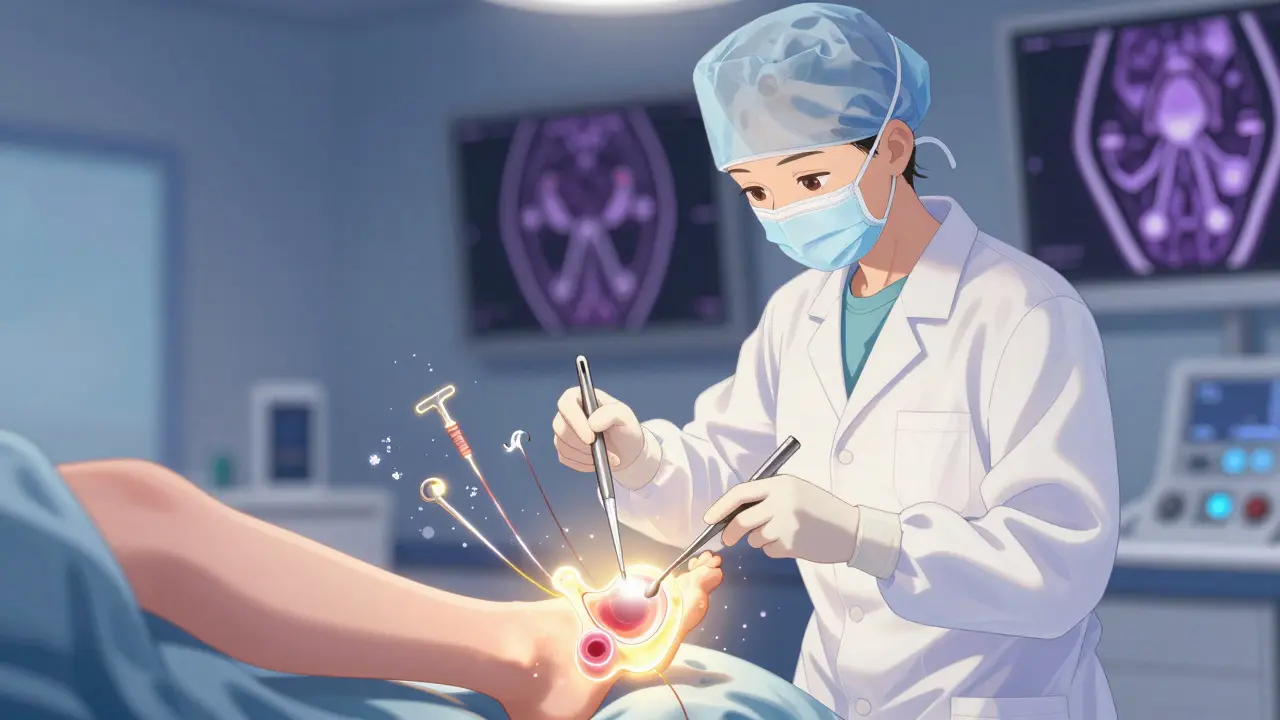
When surgery is needed, hip arthroscopy is the only option. It’s minimally invasive. Two or three small incisions are made around the hip. A camera and tiny instruments go in. The surgeon then either trims away the torn part of the labrum (debridement) or stitches it back into place using anchors (repair).
Debridement is faster to recover from-3 to 4 months back to sport. But it’s not always the best choice. Removing tissue reduces the labrum’s ability to cushion the joint, which might speed up arthritis later. Repair, on the other hand, preserves the structure. It takes longer-5 to 6 months-but gives better long-term results, especially for younger athletes.
And here’s something new: in June 2023, the FDA approved the first bioabsorbable suture anchor designed specifically for labral repair. Made from materials the body slowly absorbs, it eliminates the need for metal anchors that can sometimes cause irritation. Early data shows 89% success rates at two years-better than traditional anchors.
But not all surgeons are equally skilled. Hip arthroscopy has a steep learning curve. Experts say it takes 50 to 100 supervised procedures for a surgeon to become proficient. That’s why outcomes vary so much. Athletes treated at specialized sports medicine centers report 92% satisfaction. Those treated at general orthopedic practices? Only 75%.
Recovery: What to Expect After Surgery
Recovery isn’t a straight line. It’s broken into four phases:
- Protection (Weeks 1-6): No weight-bearing on crutches for the first week. Gentle range-of-motion exercises only. No hip flexion beyond 90 degrees.
- Strengthening (Weeks 7-12): Gradual return to resistance training. Focus on glutes, quads, and core. Pain-free movement is the goal.
- Sport-Specific Training (Weeks 13-20): Agility drills, cutting, jumping. For dancers or hockey players, this phase includes sport-specific movements under supervision.
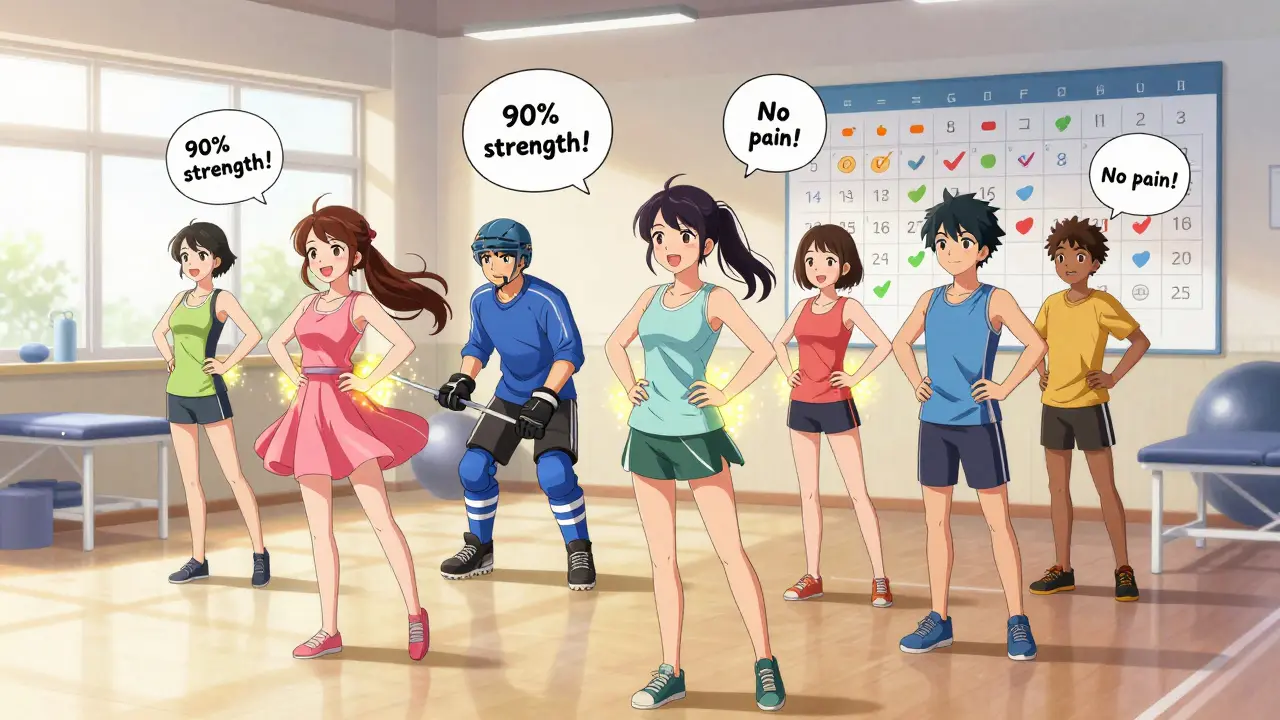
- Return to Sport (Weeks 21-26): Only when you’ve regained 90% of quadriceps strength compared to the uninjured side and can rotate your hip inward to 30 degrees without pain.
Some athletes return faster. A marathon runner documented full training at 4.5 months. But others need more time. NHL player Ryan Nugent-Hopkins took 5.5 months to return to professional play. Pushing too soon increases the risk of re-tear.
Complications are rare but real. About 15-20% of patients still have some pain after surgery. Heterotopic ossification (bone growing where it shouldn’t) happens in 5-10% of cases. Nerve injury is uncommon-only 1-2%-but can cause numbness or weakness. Revision surgery is needed in 8-12% of cases within five years.
Who Has the Best Outcomes?
Younger athletes under 35 have the highest success rates. About 85-90% return to their pre-injury level of play. But for athletes over 35, that number drops to 70-75%. Why? Because older joints have more wear and tear. The labrum isn’t the only problem-it’s often part of a bigger picture.
Those with hip dysplasia need special attention. If the socket is too shallow, just repairing the labrum isn’t enough. Surgeons must also reshape the bone to cover the ball better. Otherwise, the tear comes back. Boston Children’s Hospital data shows 65% failure rates for isolated labral repairs in dysplastic hips.
Sports like ballet, gymnastics, and hockey are tougher to recover from. They demand extreme ranges of motion. Complication rates are 25% higher in these athletes. Even after surgery, they may never regain full mobility.
The Future: What’s Changing in 2025?
Two big advances are shaping the future. First, 3D MRI is now recommended for complex cases. It gives surgeons a full 3D model of the joint before surgery, improving precision. Studies show diagnostic accuracy jumped to 97% with 3D imaging.
Second, regenerative medicine is gaining ground. Platelet-rich plasma (PRP) injections are being tested as a non-surgical option. A 2022 trial at Hospital for Special Surgery found 55% of patients avoided surgery after PRP treatment. It’s not a cure-all, but for athletes who want to delay surgery or avoid it entirely, it’s a real option.
Market trends show this isn’t slowing down. Over 150,000 hip arthroscopies were done in the U.S. in 2022-three times more than in 2010. The global market for hip arthroscopy tools hit $1.2 billion in 2022 and is growing fast. As awareness increases, more athletes are getting diagnosed earlier. That means better outcomes.
What You Should Do If You Suspect a Labral Tear
If you’re an athlete with persistent hip pain that doesn’t improve with rest:
- See a sports medicine specialist-not just any orthopedist.
- Ask for an MRA, not a standard MRI. Insurers often deny it, but it’s worth fighting for. The cost is $1,200-$1,800, but standard MRI misses too many tears.
- Get X-rays to check for FAI or dysplasia. These are the root causes.
- Don’t rush into surgery. Try 3-6 months of conservative care first, unless your pain is severe or you have a known structural issue.
- If surgery is needed, find a surgeon who does at least 50 hip arthroscopies a year.
- Follow rehab exactly. Skipping phases is the #1 reason for poor outcomes.
Untreated labral tears don’t just hurt-they accelerate arthritis. A 15-year study found people with labral tears have 4.5 times higher risk of developing hip osteoarthritis within a decade. That’s not a small risk. It’s a life-altering one.
Today’s athletes have more tools than ever to recover. But success depends on one thing: getting the right diagnosis at the right time. Don’t wait for the pain to get worse. Get it checked.