
Feeling stuck with diet, meds, or exercise? A wellness game turns tiny healthy actions into something you actually want to do. It uses clear goals, simple tracking, and small rewards so progress feels visible every day.
First, pick one habit. Take your medication on time. Do pelvic floor exercises. Walk twenty minutes. Keep goals tiny. Games fail when you ask for too much change at once.
Set a daily target you can hit most days. Make a simple score for completing the task. Add streaks for consecutive days. Give yourself a small reward after five or ten wins. The reward could be a favorite podcast episode, a short walk, or a special tea.
Keep rules measurable. Use numbers and times. Example: "take 1 pill at 8 AM" or "three sets of pelvic squeezes after brushing teeth." Hard to measure tasks stop being fun.
Use a habit app, a calendar, or a paper chart—anything that shows progress. If the game links to online pharmacy services, check that the pharmacy asks for a prescription and has real reviews. Verify secure payment and clear shipping policies before you order. Don’t share medical records with apps that don’t protect data.
Invite a friend for accountability if social play helps. Group challenges raise motivation, but pause sharing if you track sensitive issues like mental health or medication changes.
Make the game medically smart. Match reminders to your prescription schedule. For diabetes meds, set blood sugar checks and med times together. For overactive bladder, link pelvic floor reps and timed voiding sessions. For pain meds or changes like switching inhalers, add a symptom note after each dose so you and your provider can see patterns.
Use short feedback loops. Review progress weekly and adjust goals. If a habit is failing after two weeks, shrink the target. Success builds confidence faster than perfect plans.
Add variety so the game stays fresh. Try theme weeks. Swap rewards. Mix active goals with restful ones. Variety keeps your brain engaged and habits sustainable.
Track outcomes, not only actions. Record mood, sleep quality, number of leaks, blood pressure, or pain level. Seeing real benefits makes the game meaningful.
Be kind to yourself. Missed days are expected. Reset streaks and move on. The point is steady improvement over time.
Example templates: a 30-day med adherence chart with morning and evening checkboxes, a bladder training ladder that increases holding time by thirty seconds each week, and a step challenge with daily step goals that rise by five percent every seven days. Start the easiest version and only add challenge when you keep a two-week streak. If you buy meds online, confirm the pharmacy is licensed and requires prescriptions for safety, shipping, and product authenticity.
Want a simple template to start? We offer templates and charts for med reminders, bladder training, exercise goals, and mood tracking. Pick one, tweak it for your needs, and start scoring health today.
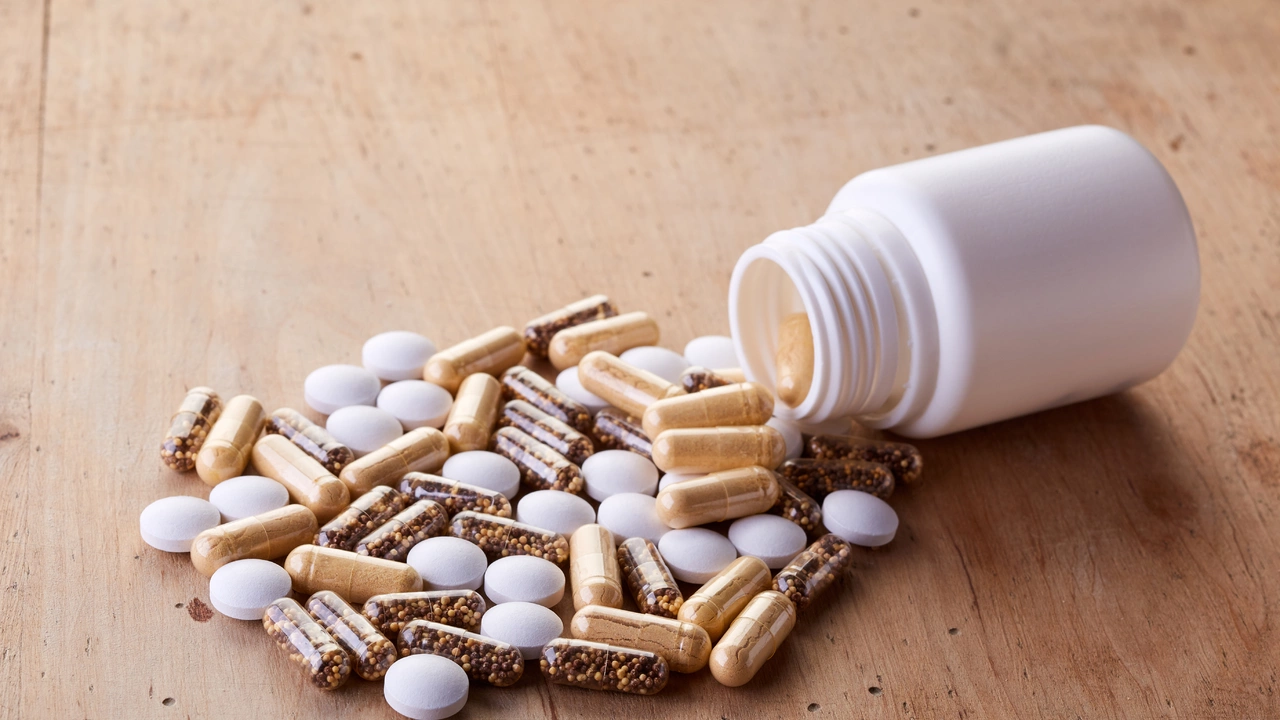
I've recently discovered a game-changer for wellness, the Arenaria Rubra dietary supplement. This little-known natural powerhouse is full of benefits that can boost your overall health and vitality. It's amazing how it supports everything from our digestive system to our skin health. I've been incorporating it into my daily routine, and I can genuinely feel the difference. If you're looking to elevate your wellness game, Arenaria Rubra is definitely worth considering.
Generic drugs contain the same active ingredients as brand-name versions and carry the same risk of drug interactions. Scientific evidence and regulatory data confirm they are equally safe and effective.
Learn how to stop moisture from ruining your pills and capsules with simple storage tips, desiccant use, and packaging advice backed by pharmaceutical research. Protect your meds and ensure they work when you need them.
Not all brand-name drugs have generic versions-even after patents expire. Complex formulations, patent thickets, pay-for-delay deals, and FDA hurdles keep prices high. Here’s why some drugs stay expensive forever.

Learn how to manage nausea and prevent weight loss during chemotherapy with science-backed nutrition tips. Discover what to eat, what to avoid, and how to get enough protein and calories-even when you feel awful.
Taking iron supplements with levothyroxine can block thyroid hormone absorption. Learn the exact timing-four hours apart-that ensures your medication works. Real data, real strategies, no fluff.