
When dealing with transplant medication, drugs prescribed to prevent organ rejection and support graft survival after an organ transplant. Also known as post‑transplant drugs, it is a cornerstone of modern transplant care. Immunosuppressants, medications that dampen the immune response to keep the new organ from being attacked form the bulk of this regimen, while therapeutic drug monitoring, regular blood‑level checks that ensure doses stay effective and safe guides dosage adjustments. The broader context of organ transplantation, surgical replacement of a failing organ with a donor organ determines which drug combos are chosen and how long patients stay on them.
First, transplant medication isn’t a single pill; it’s a suite of agents that target different pathways. Calcineurin inhibitors (like tacrolimus and cyclosporine) block T‑cell activation, while antiproliferatives (mycophenolate, azathioprine) stop immune cells from multiplying. Steroids such as prednisone add anti‑inflammatory power and help bridge the early post‑surgery period. Each class has its own side‑effect profile—nephrotoxicity, metabolic changes, infection risk—so choosing the right mix is a balancing act.
Second, monitoring is non‑negotiable. Therapeutic drug monitoring (TDM) creates a feedback loop: blood draws reveal drug concentrations, clinicians tweak the dose, and the cycle repeats until levels sit in the target range. This loop reduces rejection episodes while minimizing toxicity. Think of TDM as a GPS for medication dosing; without it, you’re navigating blind.
Third, the type of organ transplanted shapes the medication plan. Kidney recipients often need higher tacrolimus levels to protect the graft, whereas liver transplants may tolerate lower doses because the liver metabolizes many drugs. Heart and lung transplants bring additional challenges like heightened infection risk, so prophylactic antibiotics and antifungals become part of the regimen.
Finally, patient education closes the loop. Understanding why blood tests matter, how to spot early signs of rejection (pain, swelling, changes in organ function), and when to call a doctor can dramatically improve outcomes. Resources like FDA risk‑benefit statements, support groups for relapsing‑remitting disease patients, and clear medication guides help bridge the knowledge gap.
Below you’ll find a curated collection of articles that dive deeper into each of these areas—risk‑benefit labeling, side‑effect management, monitoring techniques, and real‑world patient experiences. Use them to fine‑tune your approach, whether you’re a patient, caregiver, or healthcare professional looking for practical insight.
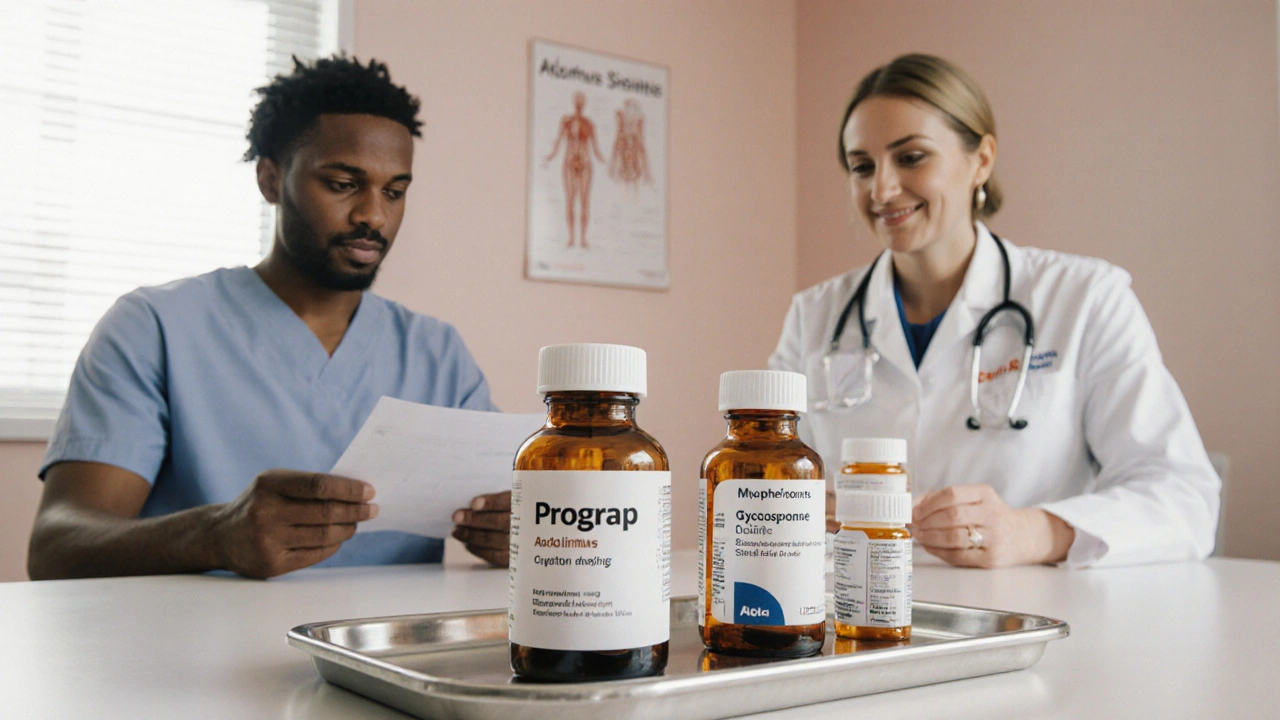
A detailed side‑effect, cost and efficacy comparison of Prograf (tacrolimus) with generic tacrolimus, cyclosporine, sirolimus and mycophenolate for transplant patients.

Medicare Part D now has a $2,000 annual cap on drug costs in 2025, eliminating the donut hole. Learn how Extra Help, plan choices, and insulin pricing work for seniors on prescription meds.

In my latest blog post, I discuss the importance of community outreach in promoting HIV awareness and prevention, with a focus on the antiretroviral drug Atazanavir. As a key player in the fight against HIV, Atazanavir has been proven effective in suppressing the virus and improving patients' quality of life. By educating our community about this medication, we can empower people living with HIV and help prevent the spread of the virus. Additionally, I explore various community outreach strategies and tools that can be implemented to raise awareness and encourage prevention. Join me in spreading the word to help create a healthier, more informed society.

Ciclopirox is no longer just a nail fungus treatment. New research shows promise in cancer, antibiotic-resistant infections, and advanced topical delivery - making it one of the most surprising drug repurposing stories of 2025.

Paul Jessup, the ex-managing director of Strand Capital SA, has been disqualified from serving as a company director for nine years. The Insolvency Service found him guilty of misusing funds from Helvetica Investments Ltd, leading to a significant financial shortfall and his subsequent disqualification.

Generic drugs are approved without new safety trials, making post-market surveillance critical. Learn how the FDA tracks adverse events, why quality issues arise, and what patients and providers can do to ensure ongoing safety.