If you’ve ever dealt with an itchy, red rash on your inner thigh or groin, you know how uncomfortable tinea cruris (commonly called jock itch) can be. The good news? Most cases clear up with the right treatment in just a couple of weeks. Below you’ll find the medicines that work, the home tricks that speed healing, and the habits that keep the fungus from returning.
The first line of defense is usually a cream, spray, or powder that contains an active ingredient like clotrimazole, terbinafine, miconazole, or tolnaftate. Apply the product twice a day to clean, dry skin and keep going for at least seven days after the rash looks better – that’s how you make sure every hidden fungus is gone.
For people with a lot of sweating or who live in humid climates, a powder works well because it keeps the area dry. Look for products that combine an antifungal with a drying agent such as zinc oxide. If the rash is widespread or doesn’t improve after a week, step up to a prescription‑strength cream (e.g., ketoconazole 2% or ciclopirox) or an oral tablet like fluconazole. Those options are usually reserved for stubborn cases, but they’re very effective when needed.
While OTC meds do the heavy lifting, a few simple changes at home can cut the itch in half and prevent a comeback. First, keep the affected area clean and completely dry. After showering, pat the skin with a clean towel – don’t rub – and let it air‑dry for a few minutes before putting on clothes.
Switch to loose‑fitting, breathable fabrics such as cotton or moisture‑wicking athletic wear. Tight synthetic underwear traps heat and moisture, creating a perfect breeding ground for the fungus. Change socks and underwear at least once a day, and more often if you’re sweating a lot.
Natural antifungals like tea tree oil or apple cider vinegar can be useful as adjuncts. Dilute a few drops of tea tree oil in a carrier oil (coconut or olive oil works) and dab it on the rash twice daily. Apple cider vinegar mixed with water (1:1) can be used as a wash after bathing – the acidity helps stop fungal growth.
Don’t forget the bathroom floor. If you share a gym or locker room, bring your own mat and wear flip‑flops in communal showers. Clean any clothing or towels that have touched the rash with hot water (at least 60 °C/140 °F) to kill lingering spores.
Finally, watch your diet. Some people find that cutting back on sugary foods reduces yeast overgrowth, though the evidence is mixed. Staying hydrated and eating a balanced diet supports overall skin health, which indirectly helps keep the fungus at bay.
By combining a reliable antifungal product with good hygiene, dry clothing, and a few home tricks, you can kick jock itch to the curb in a week or two. If symptoms persist beyond three weeks, spread rapidly, or are accompanied by fever, see a doctor – it could be a more serious skin infection that needs stronger medication.
Remember: the key is consistency. Apply the cream for the full recommended period, keep the area dry, and avoid re‑exposure. Follow these steps and you’ll be back to comfortable, itch‑free days in no time.

Discover how butenafine works to clear jock itch quickly, why it outperforms other antifungals, and practical tips for safe use.

Taking Duloxetine can be challenging, but finding support is crucial for managing its side effects and ensuring its effectiveness. To find support, I recommend joining online forums and social media groups dedicated to mental health and Duloxetine users, where you can share experiences and advice. Additionally, talking to friends and family about your medication journey can help you feel less alone and more understood. Don't hesitate to reach out to your healthcare provider for any concerns or questions about Duloxetine. Lastly, consider joining local support groups or therapy sessions to connect with others facing similar challenges.
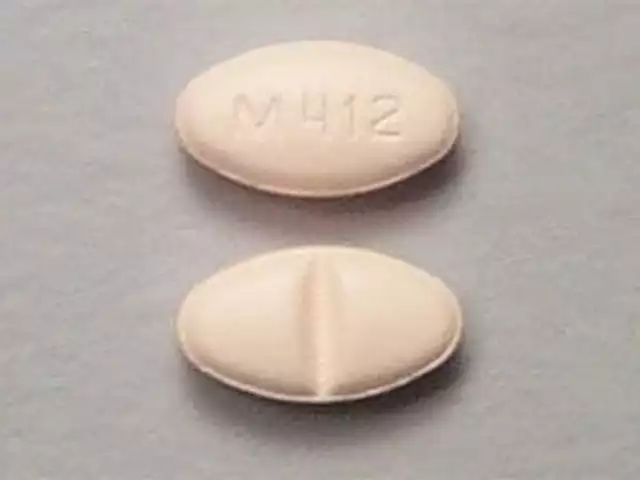
As a blogger, I recently looked into fluvoxamine interactions and found out that it's crucial to avoid certain medications while taking this SSRI. Some medications, like monoamine oxidase inhibitors (MAOIs) and pimozide, can cause severe side effects when taken with fluvoxamine. It's also essential to be cautious with other antidepressants, blood thinners, and drugs affecting serotonin levels. To ensure safety, always consult with a doctor before starting any new medications while on fluvoxamine. Remember, it's better to be safe than sorry when it comes to drug interactions!

States use Preferred Drug Lists, pharmacist substitution rules, and copay differences to push generic drug use. These policies save billions without compromising care - but unintended rebate rules are putting some generics at risk.

Explore how fibromyalgia and autoimmune disorders intersect, covering shared symptoms, immune mechanisms, diagnosis tips, treatment overlap, and the latest research findings.