
If your doctor suggested moving from Symbicort (budesonide + formoterol) to Advair (fluticasone + salmeterol), you probably want to know what changes to expect and how to stay safe. These are both combination inhalers used for asthma and COPD, but they act differently and use different devices. I’ll keep this simple and practical so you can have a smooth switch.
First, the active medicines differ. Symbicort combines an inhaled steroid (budesonide) with formoterol, a fast-onset long-acting bronchodilator. Advair pairs fluticasone with salmeterol, which takes a bit longer to start working. That means rescue feel and timing can change slightly after you switch. Also, inhaler devices may look and feel very different — don’t assume the same technique works for both.
Another practical point is dosing style. Both are usually used twice daily for maintenance, but how your symptoms respond can vary. In some countries, formoterol-containing inhalers are approved for both regular use and as-needed symptom relief; salmeterol-containing inhalers usually aren’t. Your prescriber will choose the right approach for you.
Always check with the prescriber or pharmacist before changing. They’ll confirm the correct dose and write the new prescription. You generally don’t need to taper steroids when swapping inhaled corticosteroids, but you must watch your symptoms closely for the first 1–2 weeks. Keep your quick-relief inhaler (albuterol/salbutamol) handy until you’re confident the new inhaler controls symptoms.
Learn the new device right away. Ask the pharmacist to show you how to load, inhale, and clean it. A change in technique is a common reason people feel worse after switching. Use a spacer if your provider recommends one — spacers can improve drug delivery especially if you struggle with coordination.
Monitor side effects and control. Watch for increased coughing, wheeze, or shortness of breath. Also note common inhaled steroid effects like hoarseness or thrush (white patches in the mouth). If symptoms get worse or you need your rescue inhaler more often, call your clinician — don’t wait.
Finally, consider practical factors: cost, insurance coverage, and generic availability. Both drugs have generic versions in many places, but prices and copays can differ. If cost is an issue, ask your provider about equivalent doses or patient assistance options.
Switching inhalers can be straightforward if you plan it with your healthcare team, learn the new device, and track how you feel. If anything feels off, contact your prescriber quickly — better safe than sorry.

Find practical tips and facts on switching from Symbicort to Advair: dosage conversion, side effects, and insurance authorization. Get smart, hands-on guidance here.

Smoking can drastically alter how your body processes medications, especially those metabolized by CYP1A2. This hidden enzyme effect can cause treatment failure or dangerous toxicity - especially after quitting. Learn which drugs are affected and what to do.

Combining metformin and alcohol can trigger lactic acidosis-a rare but deadly condition. Learn the real risks, symptoms to watch for, and what experts actually recommend for people with type 2 diabetes who drink.
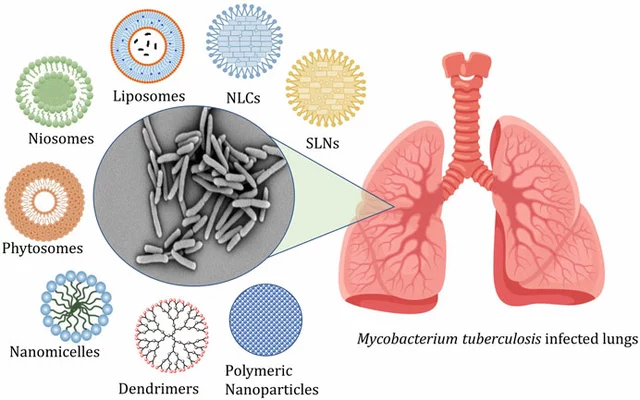
In my latest blog post, I discussed the crucial role of cycloserine in managing multidrug-resistant tuberculosis (MDR-TB). Cycloserine, an antibiotic, has become increasingly important in the treatment of MDR-TB, especially when other first-line medications are ineffective. This is because it targets the bacteria causing TB in a different way, thus overcoming resistance. However, it's essential to use cycloserine in combination with other antibiotics to ensure maximum effectiveness and minimize the risk of further resistance. Overall, cycloserine plays a vital role in the fight against MDR-TB, and ongoing research is crucial to optimize its use and develop new treatments.

Explore how PTSD and sleep disorders influence each other, the most common sleep problems in trauma survivors, and evidence‑based treatments that restore restful nights.
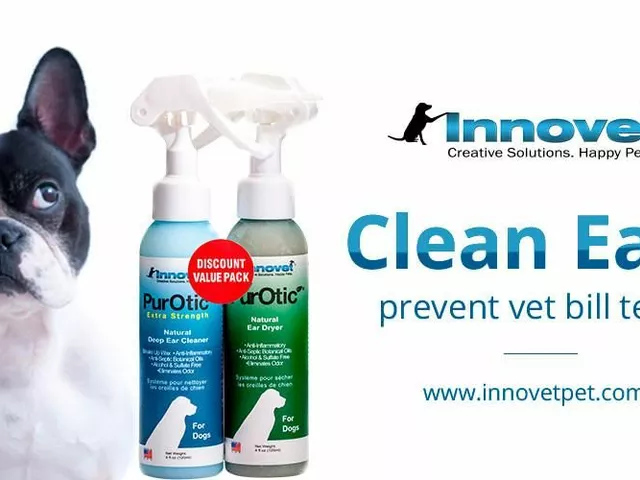
Griseofulvin is a go-to treatment for fungal infections in our furry friends, cats and dogs. It's particularly effective against infections caused by dermatophytes, which affect the skin, hair, and nails. Administered orally, it's absorbed through the pet's digestive tract and then binds to keratin cells, preventing the fungus from infecting new cells. However, it's important to note that Griseofulvin should be used with caution as it can cause side effects such as vomiting, diarrhoea or even blood disorders. Always consult your vet before starting any new treatment.