
If sudden urges, leaking, or nightly trips to the bathroom slow you down, solifenacin might make daily life easier. It’s a commonly prescribed antimuscarinic pill for overactive bladder (OAB). This short guide tells you what it does, how to take it, common side effects, and simple tips to get the best result.
Solifenacin relaxes bladder muscles so you get fewer urgent urges and leaks. Doctors usually start adults at 5 mg once a day. If needed and tolerated, the dose can be increased to 10 mg daily. You should take it at the same time each day and swallow the tablet whole with water. Expect some improvement within days, but it may take up to four weeks for a clear change.
Know when adjustments are needed: people with serious liver or kidney issues may need a lower dose or a different drug. Solifenacin is not suitable for anyone who can’t fully empty their bladder, has uncontrolled narrow-angle glaucoma, or certain neuromuscular disorders. Tell your prescriber about all your health problems and every medication you take.
Common side effects include dry mouth, constipation, blurred vision, and drowsiness. If you get sudden trouble urinating, a fast heartbeat, or severe confusion, seek medical help. Solifenacin interacts with strong CYP3A4 inhibitors (for example, some antifungals and certain antibiotics) which can raise drug levels and boost side effects. Also watch for combined anticholinergic effects if you take other medicines with similar actions.
Quick, useful tips: chew sugar-free gum or suck on candy to ease dry mouth; add fiber and water to reduce constipation; avoid heavy machinery until you know if you feel drowsy. If you miss a dose, take it when you remember unless it’s almost time for the next dose—don’t double up. Limit alcohol until you know how solifenacin affects you, because alcohol can increase dizziness or drowsiness.
Combine meds with behavior changes for better results: timed voiding, pelvic floor exercises, and cutting back on caffeine and late-night drinks help a lot. If solifenacin causes bad side effects, your clinician might try a lower dose, switch to mirabegron (a different class), or discuss advanced options like injections for the bladder.
Buying solifenacin online? Use only licensed pharmacies that require a valid prescription and show clear contact details. Avoid sites that sell prescription drugs without asking for a prescription or that hide their location.
Keep a short diary of leaks and urgency for a few weeks—this helps your doctor judge whether the medicine is working. If symptoms don’t improve or side effects are severe, call your healthcare provider. For more practical tips on exercise, bladder training, and safe ways to buy meds online, check our Exact-Pharma guides or ask your care team for help.

Solifenacin, a drug mainly used for adult overactive bladder, is sometimes given to children and teens. This article breaks down how safe and effective solifenacin is for younger patients, what side effects families should watch for, and which situations make it a good option. Real-world advice, medical facts, and guidance for caregivers make this a must-read for anyone dealing with pediatric bladder problems.
In my latest blog post, I explored the role of nutrition in managing hyperprolactinaemia, a condition where there is an excess of prolactin hormone in the blood. Through my research, I discovered that certain dietary changes, such as reducing refined sugar and processed food intake, can help maintain hormonal balance. Additionally, incorporating foods rich in Vitamin B6, zinc, and magnesium can aid in managing symptoms. I also highlighted the importance of a balanced diet and regular exercise in overall hormone regulation. Don't miss out on these valuable tips and insights to help manage hyperprolactinaemia through proper nutrition!

Explore how sex-pharm24.com works, discover safe ordering, real product quality, and tips for discreet, secure pharmacy delivery. All you need to know in one guide.
Learn how to safely buy cheap generic Celebrex online, spot legit pharmacies, compare prices, avoid scams, and save money with proven tips for 2025.
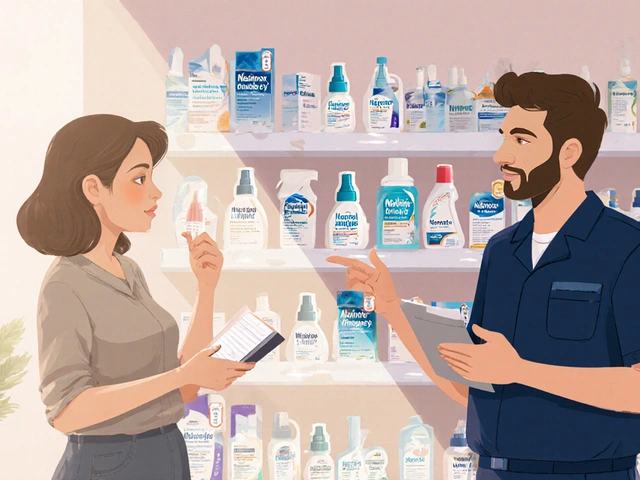
A thorough comparison of Nasonex (mometasone furoate) with Flonase, Rhinocort, Nasacort, and other alternatives, covering potency, cost, age suitability, side‑effects, and best‑fit scenarios.
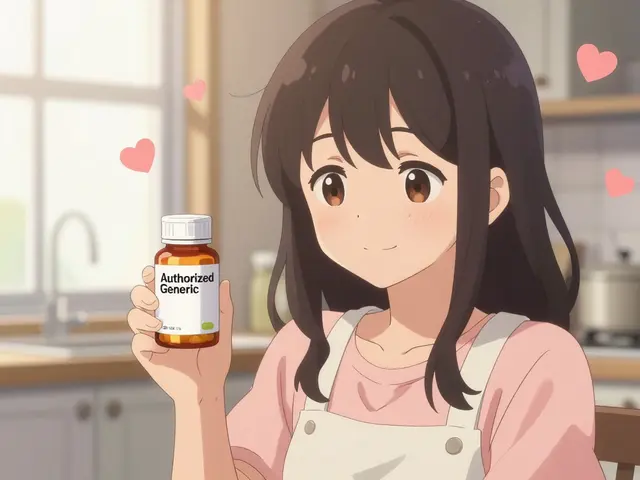
Authorized generics offer the exact same medication as brand-name drugs at lower prices, with no formulation changes that can cause side effects. A smarter, safer switch for patients on critical medications.