Buying medicine online can save time and money, but not all sites are safe. A risky pharmacy can sell counterfeit, expired, or wrong meds. Use the checks below before you click "buy" so you don’t trade convenience for danger.
First, the site should ask for a real prescription for prescription-only drugs. If it doesn’t, that’s a major red flag. Next, look for a physical address and a phone number you can call during business hours. Try calling — a real pharmacy answers or returns messages; a scam often won’t.
Check for a pharmacy license or accreditation. In the U.S., look for something like Verified Internet Pharmacy Practice Sites (VIPPS) from NABP; in the UK, search the General Pharmaceutical Council (GPhC) register. If a site shows an accreditation seal, click it — it should link to the regulator’s site. Don’t trust logos alone.
Look at prices and product photos. If prices are unbelievably low or the same image is used for many different drugs, pause. Read customer reviews on independent sites, not just testimonials on the pharmacy’s page. Whois and domain-age checks can help: brand-new domains selling many meds are more likely risky than long-established pharmacies.
Use secure payment methods — a credit card or a trusted payment service offers dispute protection. Avoid wiring money or using cryptocurrency for first-time orders. Check that the site uses HTTPS and shows a padlock in the browser bar before entering card details.
Read the privacy policy and return/refund rules. A safe pharmacy explains how your medical and payment data is stored and shared. If there’s no clear policy or the wording is confusing, walk away.
For delivery, look for discreet packaging and tracking. Confirm who handles shipping and whether customs could block your order if you live in a different country. If you need medication fast, check local options or telehealth services that partner with certified pharmacies.
Always check interactions and side effects with your doctor or pharmacist before trying a new drug. Buying online doesn’t replace a medical checkup or lab tests when needed. If something about the prescription, labeling, or pills looks off, stop taking them and contact your healthcare provider immediately.
Want a quick way to decide? Use this simple rule: real pharmacies ask for prescriptions, show verifiable licenses, answer the phone, use secure payments, and have clear return and privacy policies. If one of those is missing, don’t risk it — find another pharmacy or ask your doctor for a safe option.

Learn how to safely buy Glipizide online, spot legit pharmacies, avoid scams, check for prescriptions, and get tips for Canadians ordering diabetes meds.
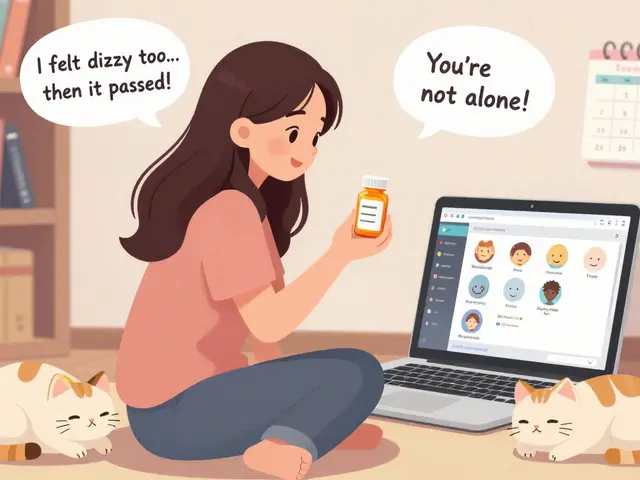
Patient support groups help people overcome fears about generic medications by sharing real experiences. Learn how these communities improve adherence, reduce costs, and build trust through peer stories backed by science.

Get the lowdown on Zyprexa, a medication widely used for serious mental health conditions like schizophrenia and bipolar disorder. This deep dive covers how it works, what to expect, tips for handling side effects, and real-life facts you won't find on drug labels. Whether you're navigating a new diagnosis or supporting someone who takes Zyprexa, you'll find practical advice and clear info right here.
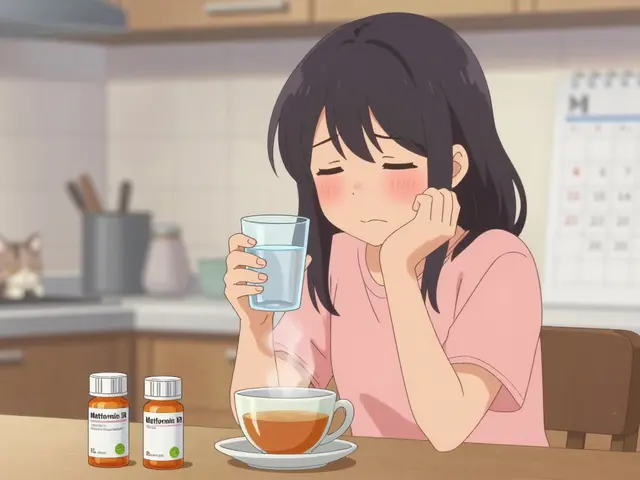
Metformin extended-release (XR) reduces gastrointestinal side effects like diarrhea and nausea compared to immediate-release (IR) in most patients. Learn how the two forms differ, what the data shows, and which one may be right for you.

As a blogger, I cannot stress enough the importance of diabetes research and advancements. These continuous efforts not only help in understanding this complex disease better, but also pave the way for newer, more effective treatment options. The ultimate goal is to improve the quality of life for millions of people affected by diabetes worldwide. Additionally, this research can potentially lead to a cure or prevention strategies, saving countless lives in the future. I truly believe that supporting diabetes research and advancements is our collective responsibility, as it can bring about significant positive change in the lives of those affected.