
When you’re dealing with PTSD insomnia, a condition where post‑traumatic stress disorder disrupts normal sleep patterns. Also known as trauma‑related insomnia, it often leaves you exhausted and on edge. It’s not just feeling sleepy; it’s a nightly battle that can worsen anxiety, mood swings, and overall health.
First, let’s break down the two main pieces. PTSD, a mental‑health response to a traumatic event, brings flashbacks, hyper‑vigilance, and a constant sense of danger. Insomnia, the inability to fall asleep or stay asleep, is a common symptom that fuels the cycle of stress. Together, they create a feedback loop where stress keeps you awake, and lack of sleep heightens stress.
One powerful break in that loop is Cognitive Behavioral Therapy for Insomnia (CBT‑I), a structured program that teaches you how to change thoughts and habits that sabotage sleep. CBT‑I works by targeting the anxiety that fuels nighttime waking, teaching relaxation techniques, and reshaping bedtime routines. When paired with trauma‑focused therapy, it tackles both the root cause (PTSD) and the symptom (insomnia).
Good sleep hygiene is the everyday sidekick that supports any treatment plan. Simple habits like keeping a dark, cool bedroom, limiting screen time an hour before bed, and sticking to a consistent wake‑up time can shave hours off the time it takes to fall asleep. These tweaks also signal to your brain that it’s safe to let go of the fight‑or‑flight response that PTSD triggers.
Sometimes, therapy and sleep hygiene aren’t enough on their own. Doctors may prescribe low‑dose prazosin to block the adrenaline spikes that cause nightmares, or short‑term sleep aids to help reset your rhythm. It’s crucial to discuss side‑effects and timing with a professional—medication works best when combined with CBT‑I and good sleep hygiene.
Support groups for trauma survivors also play a big role. Sharing experiences in a safe space reduces isolation, provides coping ideas, and reinforces the belief that recovery is possible. Whether it’s an in‑person meetup or an online forum, connecting with others who understand the nightmare of sleepless nights can boost motivation to stick with treatment.
Nutrition and exercise tie everything together. Regular physical activity, especially aerobic workouts, improves overall sleep quality, while a balanced diet—rich in magnesium, omega‑3s, and limited caffeine—helps calm the nervous system. Even modest changes, like a short walk after dinner, can lower stress hormones and make it easier to drift off.
Putting all these pieces together creates a roadmap: recognize how PTSD fuels insomnia, apply CBT‑I to rewire thoughts, enforce sleep hygiene for a calm environment, consider medication when needed, lean on support groups, and back it up with healthy lifestyle habits. Below you’ll find articles that dig deeper into each of these steps, from detailed guides on CBT‑I techniques to real‑world tips for improving sleep hygiene and choosing the right medication. Dive into the collection and start building a night‑time routine that finally gives you the rest you deserve.
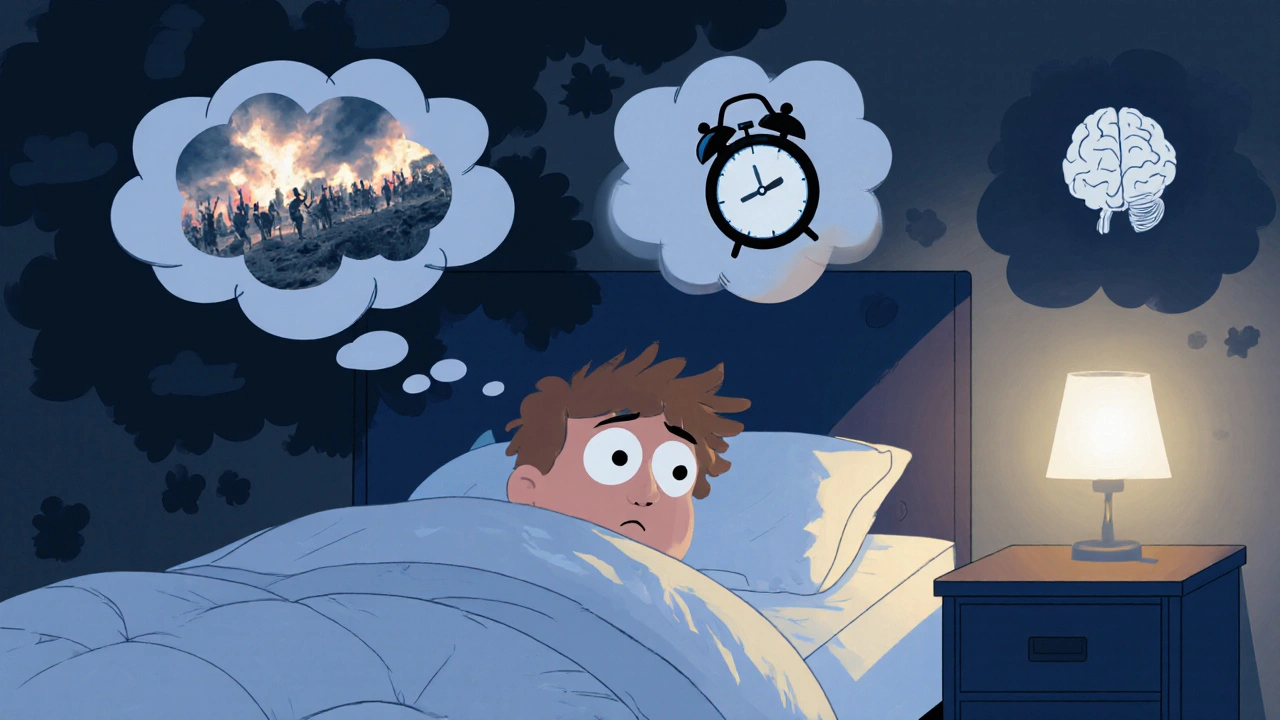
Explore how PTSD and sleep disorders influence each other, the most common sleep problems in trauma survivors, and evidence‑based treatments that restore restful nights.
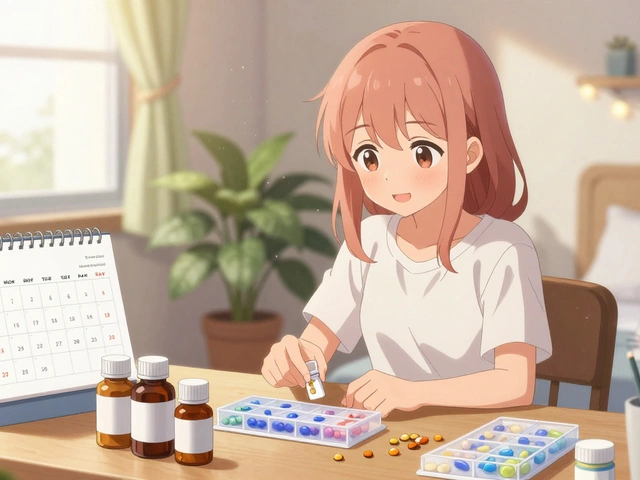
Create a simple medication expiration review schedule to avoid using ineffective or dangerous drugs. Learn how to check, sort, store, and dispose of pills safely with expert-backed steps and real-world tips.

Medications cause side effects because they interact with more than just their intended target. From genetic differences to off-target effects and drug interactions, science explains why reactions happen-and how we’re learning to prevent them.

Learn about common and serious side effects of pancrelipase, how to manage them, and when to seek medical help. Essential info for anyone on enzyme replacement therapy.

Learn what post-stroke depression is, its causes, key symptoms, and effective treatment options, including meds, therapy, and rehab strategies.

Discover how evo-pharmacy.com is changing how Canadians get medications online: safe service, verified prescriptions, discreet delivery, and big savings compared to traditional drugstores.