
When you have psoriatic arthritis, a type of inflammatory arthritis that develops in people with psoriasis. Also known as PsA, it doesn’t just hurt your joints—it’s a full-body immune system glitch that connects skin flares with stiff, swollen joints. Unlike regular osteoarthritis from wear and tear, psoriatic arthritis is autoimmune. That means your body attacks its own tissues, often starting with scaly patches on elbows or scalp, then moving to fingers, toes, or lower back. If you’ve got psoriasis and suddenly your knuckles feel stiff in the morning, or your heel aches like you ran a marathon, this could be why.
It’s not just about pain. joint inflammation, the core driver of damage in psoriatic arthritis can quietly erode bone over time if ignored. That’s why tracking swelling—not just pain—is critical. Many people don’t realize their toe pain is linked to their scalp flakes until a doctor connects the dots. And it’s not always symmetric. One knee might be red and hot while the other feels fine. Nail changes like pitting or lifting are also a big red flag. You don’t need severe skin disease to get it. Some folks get joint symptoms first, or even only.
What helps? arthritis treatment, a range of options from NSAIDs to biologics designed to calm the immune system has improved dramatically. Simple painkillers might help mild cases, but if inflammation is active, targeted drugs like TNF blockers or IL-17 inhibitors can stop joint damage before it starts. Exercise matters too—not to push through pain, but to keep joints moving. Stretching, swimming, or even walking daily keeps stiffness from locking up. And yes, managing stress and sleep helps, because your immune system doesn’t like being run down.
There’s no cure yet, but you can live well with it. The key is catching it early. Many people wait years before getting diagnosed because they think their joint pain is just aging or overuse. But if you have psoriasis and unexplained joint issues, don’t wait. The longer inflammation goes unchecked, the harder it is to reverse. And while most treatments focus on joints, don’t forget your skin. What helps one often helps the other—because they’re two signs of the same problem.
Below, you’ll find real stories and science-backed guides on how people manage this condition—what medications work, how lifestyle changes make a difference, and why some treatments fail for some but shine for others. Whether you’re newly diagnosed or have been living with it for years, there’s something here that speaks to your experience.

Psoriatic arthritis links skin psoriasis with joint pain and swelling. Learn the key signs like dactylitis and nail changes, how it differs from rheumatoid arthritis, and the latest treatments that can prevent joint damage.
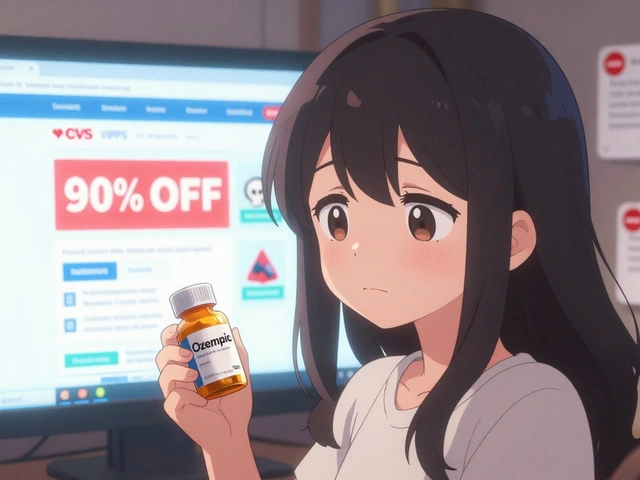
Buying medicine online might seem convenient, but counterfeit drugs are a deadly threat. Fake pills often contain fentanyl, toxic chemicals, or no active ingredient at all. Learn how to spot real pharmacies and protect yourself.

Looking for cheap generic Premarin online? See if it exists in 2025, safe pharmacy checks, fair prices in Canada/US, and proven, lower-cost alternatives.

Explore how fibromyalgia and autoimmune disorders intersect, covering shared symptoms, immune mechanisms, diagnosis tips, treatment overlap, and the latest research findings.

In my latest blog post, I discuss the importance of community outreach in promoting HIV awareness and prevention, with a focus on the antiretroviral drug Atazanavir. As a key player in the fight against HIV, Atazanavir has been proven effective in suppressing the virus and improving patients' quality of life. By educating our community about this medication, we can empower people living with HIV and help prevent the spread of the virus. Additionally, I explore various community outreach strategies and tools that can be implemented to raise awareness and encourage prevention. Join me in spreading the word to help create a healthier, more informed society.
In my recent research, I've come to understand there's a significant link between cholesterol levels and stroke risk. High levels of LDL or 'bad' cholesterol can lead to a build-up in the arteries, reducing blood flow to the brain and potentially causing a stroke. On the contrary, HDL or 'good' cholesterol can help remove LDL from the bloodstream, reducing the risk. Therefore, maintaining a healthy balance of cholesterol is key in stroke prevention. I believe it's crucial to keep an eye on our cholesterol levels and make necessary lifestyle changes if needed.