
When a doctor gives you a prescription or you buy a supplement, a few quick checks can keep you safe and avoid trouble. Read labels, confirm doses, and ask questions. Small precautions prevent big problems.
Tell your provider about every drug, supplement, and herb you take. Mention allergies, pregnancy, breastfeeding, and past reactions. Check interactions—some combinations raise side effects or reduce effectiveness. If you already take blood thinners, antidepressants, or strong heart medicines, double-check with a pharmacist.
Read the label and patient leaflet. Confirm active ingredient, strength, and how often to take it. Note whether to take with food, avoid alcohol, or skip driving. If instructions don’t match what your doctor said, call them before you take the first dose. Keep the original packaging until you’re sure the medicine works for you.
Use licensed pharmacies only. Look for a real address, pharmacist contact, and clear prescription policy. If a site offers prescription-only drugs without asking for a prescription, don’t trust it. Check reviews from independent sources and compare prices with known pharmacies. Keep records of orders and shipment tracking.
Dosing and missed doses. Take the exact dose at the right time. Don’t split pills unless the tablet is scored or your clinician says it’s okay. If you miss a dose, follow the label: some meds suggest taking it as soon as you remember, others say skip and resume the schedule. Never double-dose to catch up unless told to.
Watch for side effects. Know the common and serious side effects. Mild issues like nausea or drowsiness might pass, but breathing trouble, chest pain, jaundice, swelling, or severe rash need emergency help. Keep a symptom log for new medicines and report problems to your prescriber and pharmacist.
Special groups: Children and older adults process drugs differently. Doses often change by weight or kidney function. Pregnant and breastfeeding people should check safety for the fetus or infant. Don’t assume “natural” means safe for these groups—some herbs can be harmful.
Storage and disposal. Store meds as instructed—some need refrigeration, others need cool dry places. Keep medicines away from children and pets. Dispose of unused or expired drugs through take-back programs or pharmacy disposal options; don’t flush them unless the label says so.
Mixing meds and supplements. Supplements can alter drug levels. For example, St. John’s wort reduces some antidepressants and birth control pills. Always tell your clinician about vitamins and herbal products.
Keep a medication list. Carry an up-to-date list of prescriptions, doses, allergies, and emergency contacts. Share it with new doctors and pharmacists.
Speak up and ask questions. If anything feels off—new symptoms, confusing instructions, or suspicious online sellers—ask for clarification. Your pharmacist is a great resource for practical, fast answers.
If you travel, carry meds in original packaging and bring copies of prescriptions. Temperature changes can alter medicines, so plan storage and check rules for flying with liquids and injections too.

As a blogger, I recently discovered some interesting information about the relationship between Atorvastatin and skin health. It turns out that Atorvastatin, a medication commonly used to lower cholesterol, may have some positive effects on our skin. Studies have shown that it can help reduce inflammation and improve skin conditions like psoriasis. However, it's important to note that Atorvastatin is not specifically designed for skin treatment and should only be used under the guidance of a healthcare professional. So, if you're struggling with skin issues, it might be worth discussing this medication with your doctor.
Effective patent life for drugs is often just 10-13 years, not 20, because development and approval eat up half the patent term. Learn how patents, exclusivities, and legal tactics delay generic competition.
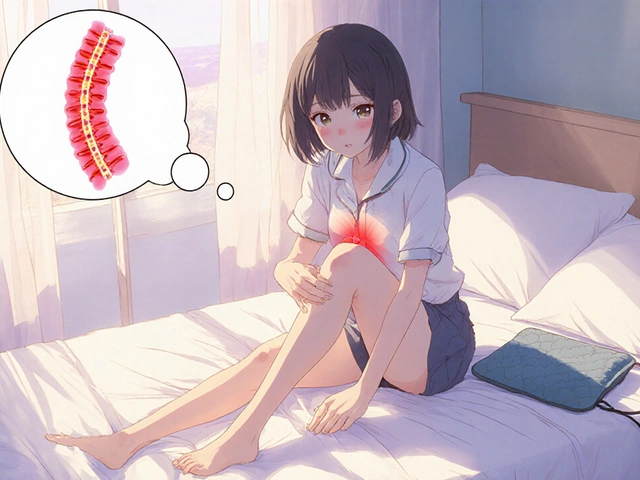
Ankylosing spondylitis causes chronic spine inflammation and can lead to fusion if untreated. Learn how medication, daily exercise, and lifestyle changes can preserve mobility and prevent long-term damage.
Generic drugs make up 90% of prescriptions but only 20% of spending - and that’s why they’re disappearing. Cheap prices, foreign factories, and broken incentives are causing critical drug shortages affecting millions.
Vaccine generics don't exist like drug generics-complex manufacturing, supply chains, and profit-driven systems keep low-income countries dependent on imports. Here's why global vaccine access remains unequal.
I recently came across a study discussing the effectiveness of Minocycline for sinus infections. It turns out, this antibiotic has shown promising results in treating both acute and chronic sinusitis. The study suggests that Minocycline may reduce inflammation and bacterial growth in the sinuses, providing relief for those suffering from sinus infections. However, it's important to consult with your doctor before using this medication, as it may not be suitable for everyone. So, if you're struggling with a sinus infection, Minocycline might be worth looking into as a potential treatment option.