
When you pick up a prescription, the pharmacist might hand you a different pill than what your doctor wrote on the paper. That’s permissive substitution, a policy allowing pharmacists to replace brand-name drugs with FDA-approved generics unless the prescriber explicitly prohibits it. Also known as generic substitution, it’s a routine part of filling prescriptions in most U.S. states and many other countries—designed to cut costs without sacrificing safety. This isn’t a loophole or a trick. It’s a legal, regulated practice backed by decades of data showing generics work just like brand drugs—same active ingredient, same dose, same effect.
Permissive substitution ties directly into how generic drugs, medications that are chemically identical to brand-name versions but sold without patent protection. Also known as generic medications, they’re the backbone of affordable healthcare. Without it, many people couldn’t afford their prescriptions. But it’s not automatic. Your doctor can write "dispense as written" or "do not substitute" on the prescription. Some patients—like those with epilepsy or thyroid conditions—may need the exact same formulation every time, even if it’s generic, because tiny differences in inactive ingredients can affect absorption. That’s why understanding this process matters. It’s not just about saving money; it’s about knowing when to speak up.
Pharmacists are trained to handle substitution carefully. They check for drug interactions, verify your history, and follow state laws. In some places, they must notify you before switching. In others, they can swap without asking—unless you object. That’s why you should always ask: "Is this the brand or the generic?" And if you notice a change in how you feel after the switch, tell your provider. It’s not just about the pill—it’s about your body’s response.
Permissive substitution also connects to how insurance plans structure coverage. Many plans require you to try the generic first before covering the brand. Some won’t cover the brand at all unless you prove the generic failed. That’s where the real-world impact shows up—in your wallet, your refill schedule, and your daily routine. The posts below dive into how this plays out in practice: from how to spot authorized generics, to why the same pill costs 10x more in different countries, to how veterans get their meds through strict generic-first policies. You’ll find real stories from people who switched and felt fine, others who didn’t, and experts explaining when substitution is safe—and when it’s not.
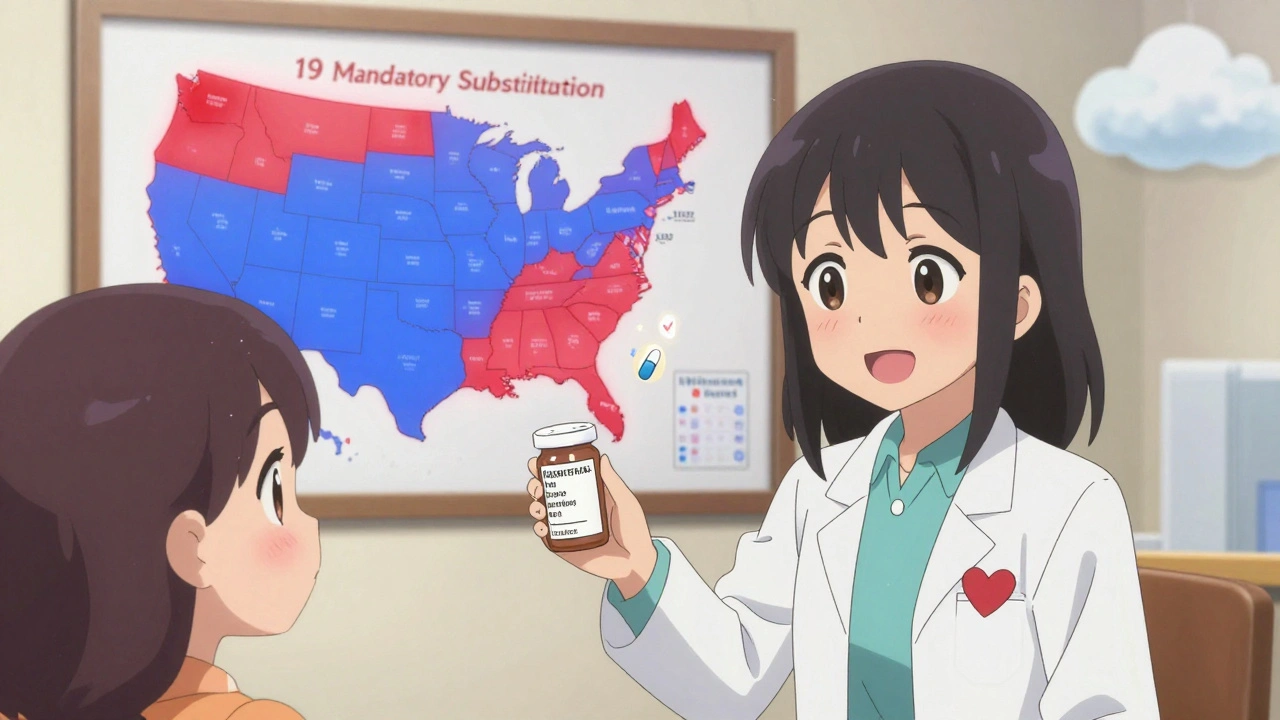
State laws determine whether pharmacists must or can switch your brand-name prescription to a cheaper generic. These rules affect your costs, safety, and access-and vary widely across the U.S.

Explore universaldrugstore.com—its reputation, medication sourcing, prices, safety, and real-user experiences in the online pharmacy landscape.
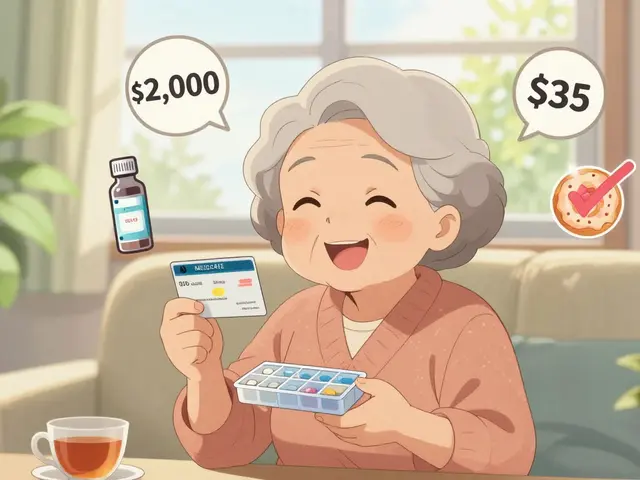
Medicare Part D now has a $2,000 annual cap on drug costs in 2025, eliminating the donut hole. Learn how Extra Help, plan choices, and insulin pricing work for seniors on prescription meds.

Psoriatic arthritis links skin psoriasis with joint pain and swelling. Learn the key signs like dactylitis and nail changes, how it differs from rheumatoid arthritis, and the latest treatments that can prevent joint damage.

Looking for cheap generic Premarin online? See if it exists in 2025, safe pharmacy checks, fair prices in Canada/US, and proven, lower-cost alternatives.

Explore how sex-pharm24.com works, discover safe ordering, real product quality, and tips for discreet, secure pharmacy delivery. All you need to know in one guide.