
When a doctor prescribes a medication for a use that isn’t listed on the FDA-approved label, that’s off-label prescribing, the practice of using a drug for an unapproved condition, age group, or dosage. Also known as unlabeled use, it’s not illegal, not rare, and often based on solid clinical evidence—even if the drug maker never sought formal approval for that use. The FDA approves drugs for specific conditions based on the data submitted by manufacturers, but once a drug is on the market, doctors can prescribe it however they see fit. This isn’t a loophole—it’s a long-standing part of medical practice.
Think of it this way: drug labeling, the official list of approved uses on a medication’s package insert is just the starting point, not the full story. For example, amitriptyline is FDA-approved as an antidepressant, but it’s commonly prescribed off-label for nerve pain, migraines, or even bedwetting in kids. Similarly, low-dose naltrexone, approved for alcohol and opioid dependence, is now used off-label for autoimmune conditions like multiple sclerosis and fibromyalgia. These uses aren’t fantasy—they’re backed by peer-reviewed studies, clinical experience, and sometimes decades of real-world use.
Why doesn’t every use get approved? It’s expensive. Drug companies won’t pay for new trials unless they can patent the new use or sell enough of it to justify the cost. For older generics, like metformin or aspirin, there’s no profit motive to seek approval for new conditions. So doctors fill the gap. A 2020 study in Journal of the American Medical Informatics Association found that nearly 20% of all outpatient prescriptions in the U.S. were for off-label uses—with some specialties, like oncology and psychiatry, going as high as 50%.
It’s not all risk-free. FDA approval, the process that confirms a drug’s safety and effectiveness for a specific use means the drug was tested in large groups under controlled conditions for that exact purpose. Off-label use skips that step. That doesn’t mean it’s unsafe—it just means the evidence isn’t from a company-sponsored trial. You might be getting a treatment that works better than the approved one, or one that’s been used safely for years. But you deserve to know: Is this based on a few case reports? Or dozens of randomized trials?
Doctors aren’t supposed to guess. Good off-label prescribing means checking the evidence: clinical guidelines, systematic reviews, and trusted databases like Micromedex or UpToDate. It means talking to you about the risks, the alternatives, and why this option makes sense for your situation. It also means knowing when not to do it—like prescribing a powerful drug for a mild condition just because it’s cheaper.
What you’ll find in the posts below are real-world examples of how off-label prescribing shows up in daily care—from using beta-blockers for anxiety to giving antipsychotics for insomnia in elderly patients. You’ll see how it connects to prescription drugs, medications used beyond their labeled indications, often based on clinical experience and emerging research, and why the same pill can be approved for depression in one case and migraines in another. You’ll also learn how to ask the right questions when your doctor suggests a drug for something not on the box. This isn’t about pushing boundaries—it’s about using what works, safely and wisely, when the approved options fall short.
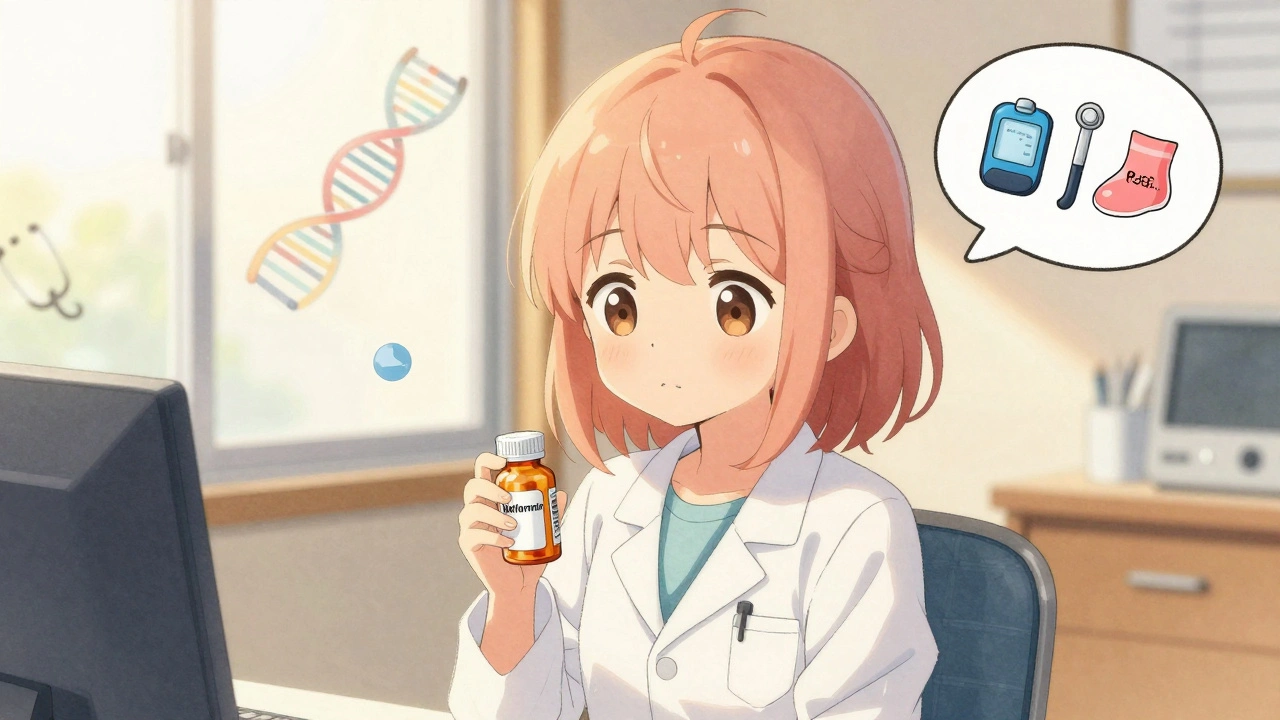
Off-label drug use is common, legal, and often necessary - but not always safe. Learn why doctors prescribe medications beyond FDA approval, how it impacts patients, and what you need to know before taking an unapproved drug.

Explore how quetiapine influences quality of life, covering its benefits, side effects, clinical evidence, real‑world experiences, and practical tips for patients.
States use Preferred Drug Lists, pharmacist substitution rules, and copay differences to push generic drug use. These policies save billions without compromising care - but unintended rebate rules are putting some generics at risk.

A detailed guide that compares Symbicort (budesonide/formoterol) with its main alternatives, covering mechanism, dosing, side effects, cost, and how to pick the right inhaler.

Ezetimibe and bempedoic acid offer effective, oral alternatives for people who can't tolerate statins. Both lower LDL cholesterol and reduce heart risks, with ezetimibe being affordable and bempedoic acid offering proven cardiovascular benefits.

In my latest blog post, I delve into the complex world of Alzheimer's Type Dementia, breaking down its progression into specific stages. I discuss the early signs, which may be as subtle as mild forgetfulness, to the more severe stages that can involve significant memory loss and confusion. I also touch on the emotional journey for both the patient and their loved ones as they navigate this challenging condition. It's a tough topic, but understanding what to expect can help us provide the necessary support and care. I hope this post brings some light to the often misunderstood progression of Alzheimer's.