
You've probably heard the term myasthenia gravis (MG) tossed around, but what does it actually mean for you or someone you love? In plain language, MG is an autoimmune condition where the body attacks the connection between nerves and muscles. The result? Muscles get weak, especially after use, and get stronger after resting. It doesn't affect the brain, so you stay sharp‑headed while your muscles play tricks.
MG shows up in a few tell‑tale ways. The most classic sign is drooping eyelids (ptosis) that get worse toward the end of the day. If you find yourself squinting to keep your eyes open or having double vision after reading, that's a red flag. Next, think about facial muscles – smiling, chewing, or speaking might feel like you’re pressing a button with extra resistance. Limb weakness is another clue; you might notice that climbing stairs or lifting groceries becomes a chore that leaves you drained quickly.
Because the weakness is activity‑dependent, many people say they feel fine in the morning but get noticeably weaker by evening. Breathing muscles can be involved too, though that's less common early on. If you ever feel short of breath while lying flat, it's worth getting checked right away.
Good news: MG is treatable, and most folks lead full lives with the right plan. First‑line therapy often includes acetylcholinesterase inhibitors like pyridostigmine, which boost the signal between nerves and muscles. If symptoms are moderate to severe, doctors may add immunosuppressants such as prednisone or azathioprine to calm the immune attack.
For faster relief, especially during a crisis, a procedure called plasma exchange or IVIG (intravenous immunoglobulin) can be used to temporarily remove harmful antibodies. Newer biologic drugs like eculizumab target specific parts of the immune system and have shown promising results for patients who don’t respond to older meds.
Beyond medicines, simple lifestyle tweaks make a big difference. Schedule demanding tasks for the morning when your muscles are freshest. Take short, frequent breaks during activities that strain your arms or legs. A balanced diet rich in antioxidants supports overall health, and staying active with low‑impact exercise (think swimming or gentle yoga) helps maintain muscle strength without overtaxing them.
Stress can worsen symptoms, so incorporating relaxation techniques—deep breathing, meditation, or even a short walk—helps keep the immune system in check. If you notice a sudden flare, reach out to your neurologist quickly; early intervention can prevent a full‑blown myasthenic crisis.
Living with MG also means staying informed. Join online forums or local support groups to share experiences and learn about the latest research. Many organizations offer patient education webinars that break down complex topics into easy‑to‑understand pieces.
Bottom line: MG is a manageable condition when you combine the right meds, smart daily habits, and a supportive community. Keep an eye on changes, talk openly with your healthcare team, and remember that most people with MG enjoy active, rewarding lives.

Need Mestinon info fast? Here’s how to reach the official label, dosing, side effects, shortages, and safe-use tips in 2025-without wading through junk search results.

Medications cause side effects because they interact with more than just their intended target. From genetic differences to off-target effects and drug interactions, science explains why reactions happen-and how we’re learning to prevent them.
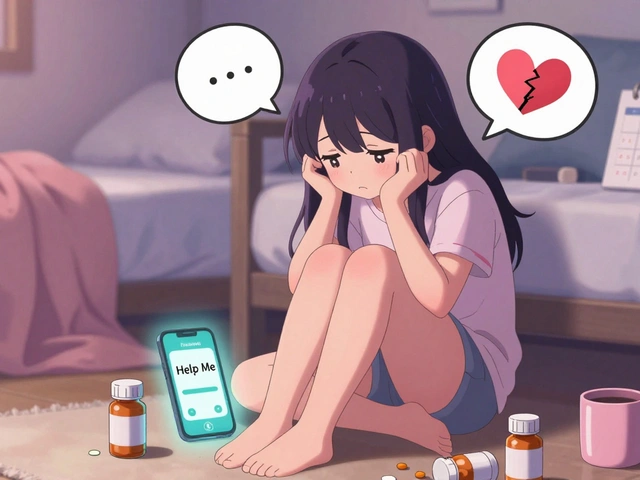
Side effects are the #1 reason people stop taking their meds-even when they know it's important. Learn how to manage them, when to speak up, and how pharmacists can help you stay on track.

Traveling can be an exciting experience, but for many, it comes with unwanted nausea. This article discusses practical and easy-to-implement tips to manage nausea while traveling, including preventive measures, diet considerations, and effective remedies.

As a copywriter, I've been researching Celecoxib and its connection to skin conditions, and I'd like to share some important information I've learned. Celecoxib is a nonsteroidal anti-inflammatory drug (NSAID) commonly used to treat pain and inflammation. However, it's crucial to know that some people may experience skin reactions while taking this medication. These reactions can range from mild rashes to serious conditions like Stevens-Johnson Syndrome. If you're considering Celecoxib for pain relief, it's essential to consult with your doctor about potential risks and monitor your skin closely while taking the medication.

In my latest blog post, I've discovered an incredible secret weapon in the fight against inflammation and joint pain: Goutweed! This powerful herb has been used for centuries in traditional medicine and is now gaining recognition in modern times. Goutweed contains potent anti-inflammatory properties which can help alleviate joint pain and improve overall health. I've been amazed by the results I've experienced after incorporating Goutweed into my daily routine. Check out my blog to learn more about this amazing plant and how it can help you in your battle against inflammation and joint pain!