
When you stop taking a medicine—whether it’s leftover antibiotics, expired painkillers, or a new prescription that doesn’t agree with you—medication disposal, the proper way to get rid of unused or expired drugs to prevent harm to people and the environment. Also known as drug disposal, it’s not just about cleaning out your medicine cabinet—it’s about stopping poison from ending up in your water, your child’s reach, or your pet’s stomach. Flushing pills down the toilet or throwing them in the trash might seem easy, but those methods are dangerous. The EPA estimates that over 90% of Americans have unused meds at home, and many end up contaminating waterways or falling into the wrong hands. In fact, the CDC links improper disposal to rising rates of accidental overdoses in teens and older adults who find old pills in cabinets.
That’s why pharmaceutical waste, the byproduct of unused or expired medicines that require special handling to avoid environmental and public health risks is now a major public health focus. Many communities offer drug take-back programs at pharmacies, hospitals, or police stations. These are the only truly safe options for most medications. For opioids, stimulants, or other high-risk drugs, the FDA even recommends flushing them immediately if no take-back is nearby—because the risk of misuse outweighs environmental harm. But for most other pills, like blood pressure meds or antidepressants, the best move is to mix them with dirt, coffee grounds, or cat litter, seal them in a container, and toss them in the trash. Never leave them in original bottles with your name on them—identity theft starts with a pill bottle.
And don’t forget safe drug disposal, the set of practices designed to eliminate unused medications without endangering people, pets, or ecosystems. It’s not just about what you do with the pills—it’s about how you store them before disposal. Keeping meds in a locked cabinet, away from kids and roommates, reduces the chance they’ll be taken accidentally or intentionally. It also makes disposal easier when the time comes. You don’t need a fancy system. A simple lockbox, a Sharpie to black out your name, and a trip to a local drop-off site are all it takes.
The posts below cover real, practical ways people handle this issue every day. You’ll find guides on storing meds in shared homes, what to do when your pharmacy won’t take back pills, how to tell if a drug has gone bad, and even how some states are changing laws to make disposal easier. These aren’t theoretical tips—they’re what pharmacists, caregivers, and patients are actually doing to keep homes and communities safer. Whether you’re cleaning out your medicine cabinet after a hospital stay, dealing with leftover antibiotics, or just tired of seeing old bottles in your drawer, you’ll find a clear, no-nonsense path forward here.
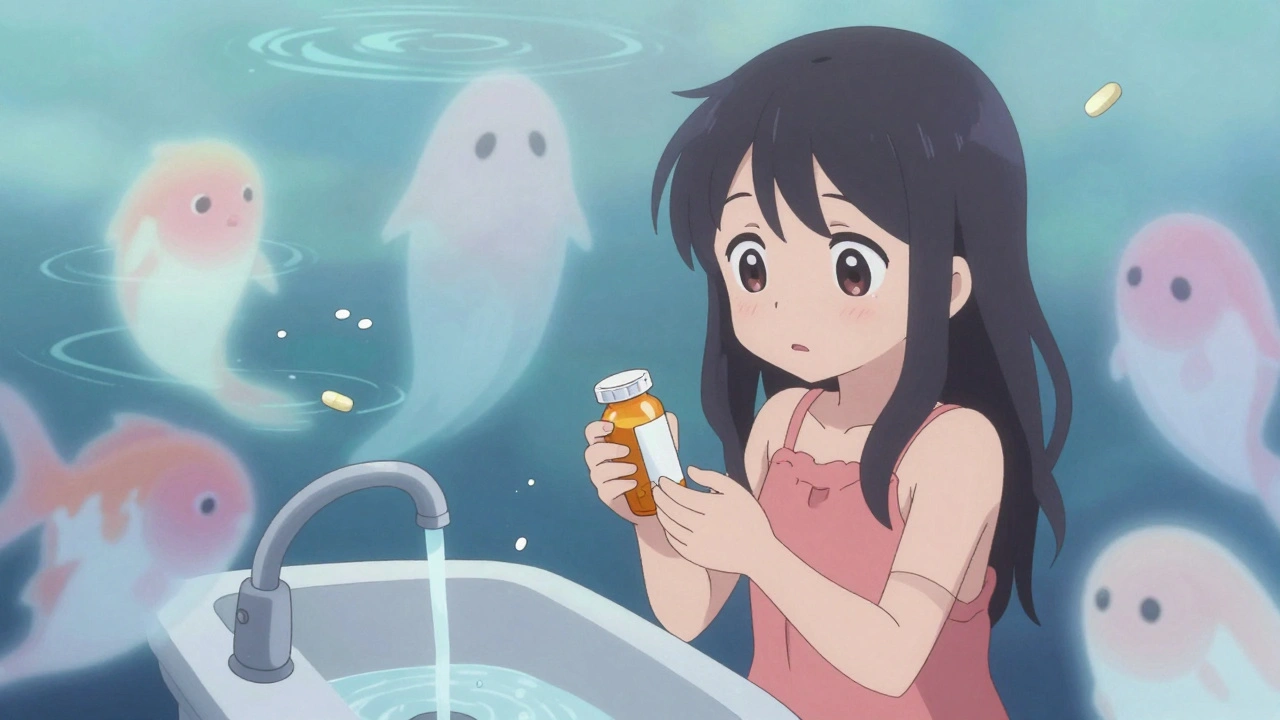
Flushing medications pollutes waterways and harms aquatic life. Learn why take-back programs are the safest disposal method, what medications should never be flushed, and how to properly dispose of old pills at home.
Need Mestinon info fast? Here’s how to reach the official label, dosing, side effects, shortages, and safe-use tips in 2025-without wading through junk search results.

As of 2025, there are several alternatives to Valtrex for managing herpes infections. This article explores seven options, weighing their pros and cons to help patients make informed decisions about their antiviral therapy. Some alternatives are used for their unique benefits, while others are highlighted for their effectiveness when combined with existing medications. Learn more about these options and find the best one that suits your health needs.
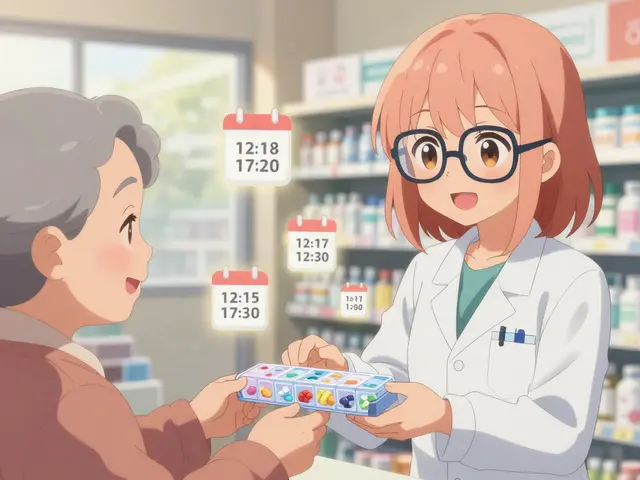
Learn how medication synchronization can cut your pharmacy visits in half and save hundreds on copays each year. A simple, free pharmacy service that helps you manage multiple prescriptions with fewer out-of-pocket costs.

Cost is the top reason people skip doses or don't fill prescriptions. Learn how high drug prices hurt health, why it's not your fault, and what real help is available-from patient programs to Medicare changes and free discount tools.
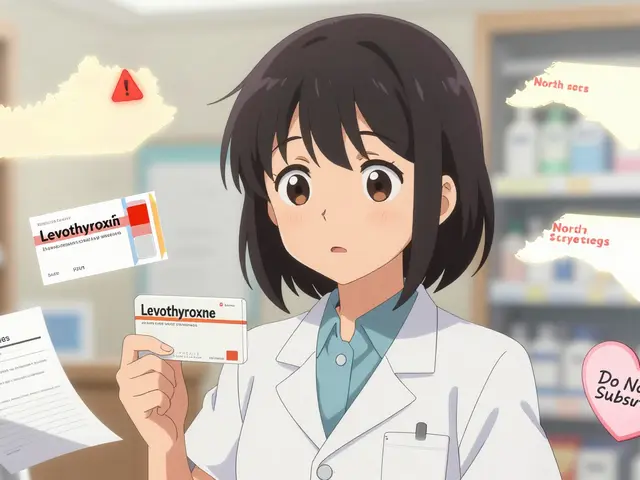
Twenty-seven U.S. states have special rules restricting generic substitution for narrow therapeutic index (NTI) drugs like warfarin, levothyroxine, and lithium. These laws vary widely - from outright bans to dual consent requirements - creating a patchwork that affects patient safety, pharmacy workflows, and drug costs.