
Some drugs solve a problem fast but create new issues months or years later. For example, certain antipsychotics often cause weight gain and higher blood sugar, while clozapine needs regular blood checks because of rare but serious drops in white blood cells. Knowing what to watch for keeps you in control.
Long-term effects come from several things: drug buildup in organs, metabolic changes, receptor or hormone shifts, and drug–drug interactions. That means a medicine can be safe short-term but risky when taken for years. Supplements add risk too—some can raise liver enzymes or interact with prescriptions you take daily.
Ask for a clear monitoring plan when a medication starts. Useful baseline and follow-up checks include:
Typical timing: get baseline tests, repeat early (4–12 weeks) if side effects often appear fast, then every 3–12 months depending on risk. Always confirm the exact schedule with your prescriber.
Keep a short symptom log: note new issues (mood changes, unexplained fatigue, weight gain, tremors), date they started, and any other meds or supplements you used recently. Use your phone for photos or voice notes—visual proof helps clinicians. Bring an updated medication list to every appointment and ask your pharmacist to check for interactions whenever a new drug or supplement is added.
Don’t stop many meds suddenly—especially antidepressants, antipsychotics, benzodiazepines, and some heart drugs. Ask about tapering. If you spot warning signs like high fever, severe rash, sudden breathing trouble, yellowing skin, or signs of infection while on a drug that affects blood counts, get medical help quickly.
For trustworthy info, check official drug labels (FDA or EMA), clinicaltrials.gov for study results, and peer-reviewed summaries on PubMed. On Exact-Pharma you’ll find practical deep dives—examples on this tag include pieces about Clozaril (clozapine), Zyprexa (olanzapine), and fenofibrate—each article covers known long-term risks and monitoring tips specific to that medicine.
Action you can take today: ask your prescriber for a monitoring checklist, set calendar reminders for tests, keep a one-page med and supplement list, and read the specific drug guide before changes. That way you get the benefits of treatment and reduce surprises down the road.
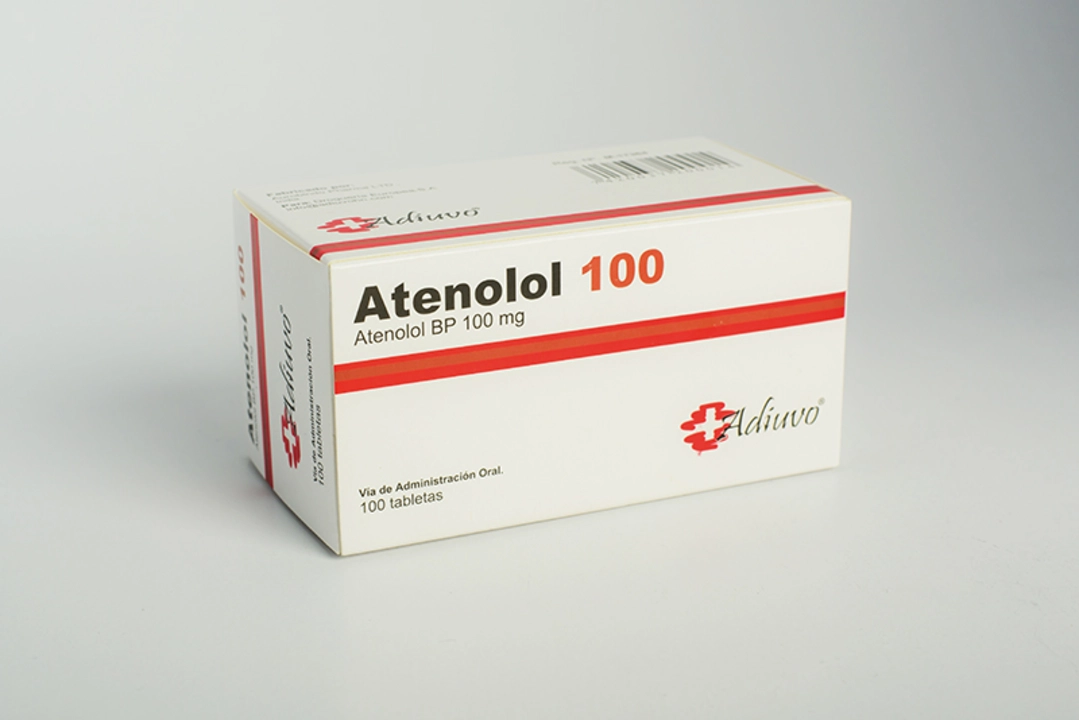
After researching the long-term effects of Atenolol-Chlorthalidone on our health, I've discovered both positive and negative outcomes. This combination medication is primarily used to treat high blood pressure, which can lead to a decreased risk of heart attacks, strokes, and kidney problems. However, long-term use may cause side effects like dizziness, fatigue, and depression. It's essential to work closely with your healthcare provider to find the right balance for your individual needs. Overall, Atenolol-Chlorthalidone can be an effective treatment for high blood pressure, but we need to be mindful of potential side effects over time.

Generic drugs contain the same active ingredients as brand-name versions and carry the same risk of drug interactions. Scientific evidence and regulatory data confirm they are equally safe and effective.

Folic acid is common in supplements, but many people can't process it. Learn how methylfolate, folate, and folinic acid work better for energy, mood, and pregnancy-especially if you have MTHFR gene variants.

Generic drugs are approved without new safety trials, making post-market surveillance critical. Learn how the FDA tracks adverse events, why quality issues arise, and what patients and providers can do to ensure ongoing safety.

Combining metformin and alcohol can trigger lactic acidosis-a rare but deadly condition. Learn the real risks, symptoms to watch for, and what experts actually recommend for people with type 2 diabetes who drink.

Learn the safe dosage, side effects, and dangerous drug interactions of Viagra Oral Jelly and sildenafil. Understand when it works, who should avoid it, and how to get it legally.