
When you take levothyroxine, a synthetic thyroid hormone used to treat hypothyroidism. Also known as Synthroid, it works best when taken on an empty stomach, usually 30 to 60 minutes before breakfast. But if you’re also taking iron supplements, minerals used to treat or prevent low blood iron, they can stop levothyroxine from being absorbed—making your thyroid treatment less effective. This isn’t just a minor concern—it’s one of the most common reasons thyroid levels stay out of range, even when patients take their pills daily.
Iron isn’t the only culprit. Calcium, antacids, proton pump inhibitors, and even soy or fiber-rich foods can interfere. But iron is especially tricky because many people need it—women with heavy periods, pregnant people, those with anemia, or older adults with poor nutrition. If you’re on both, taking them at the same time means your body might absorb less than half the levothyroxine you need. Studies show that taking iron just four hours after levothyroxine can restore full absorption. Some doctors recommend spacing them by six hours to be safe. It’s not about skipping iron—it’s about timing. A simple change in when you take your pills can make your thyroid levels stabilize without needing a dose increase.
And here’s the thing: you don’t have to guess. Keep a simple log. Write down what you take, when, and what you ate. Many patients think they’re doing everything right—until they realize they took their iron with lunch, right after their morning thyroid pill. That’s a common mistake. Your doctor won’t always ask about supplements unless you bring them up. So speak up. Bring your pill bottles to appointments. Ask: "Could any of these be messing with my levothyroxine?" Even over-the-counter multivitamins often contain iron or calcium. The same goes for prenatal vitamins, which are loaded with both. You don’t need to stop them—just separate them. And if your thyroid levels keep creeping up or down for no clear reason, check your supplement schedule before your doctor changes your dose.
There’s more to this than just iron. Some people take iron because they feel tired, but their fatigue might actually be from under-treated hypothyroidism. Fix the thyroid first, then retest iron. Sometimes, once levothyroxine is working right, iron levels improve on their own. Other times, you need both—but not at the same time. It’s not complicated, but it’s easy to overlook. The right timing turns a frustrating situation into a simple routine. And that’s what matters: getting your thyroid stable so you can feel like yourself again.
Below, you’ll find real-world advice from patients and doctors on managing these interactions, how to spot when your meds aren’t working, and what alternatives exist if you can’t space out your doses. These aren’t theory pieces—they’re practical fixes from people who’ve been there.

Taking iron supplements with levothyroxine can block thyroid hormone absorption. Learn the exact timing-four hours apart-that ensures your medication works. Real data, real strategies, no fluff.
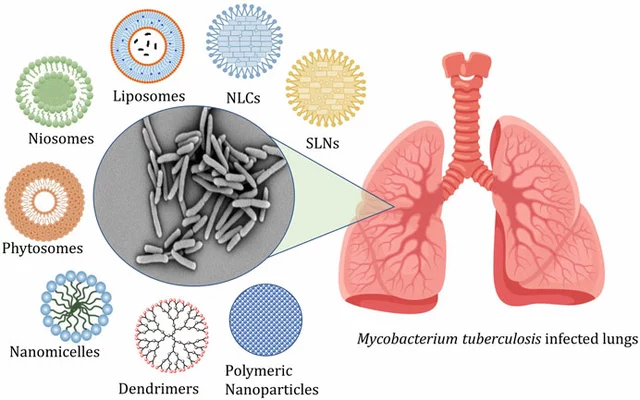
In my latest blog post, I discussed the crucial role of cycloserine in managing multidrug-resistant tuberculosis (MDR-TB). Cycloserine, an antibiotic, has become increasingly important in the treatment of MDR-TB, especially when other first-line medications are ineffective. This is because it targets the bacteria causing TB in a different way, thus overcoming resistance. However, it's essential to use cycloserine in combination with other antibiotics to ensure maximum effectiveness and minimize the risk of further resistance. Overall, cycloserine plays a vital role in the fight against MDR-TB, and ongoing research is crucial to optimize its use and develop new treatments.
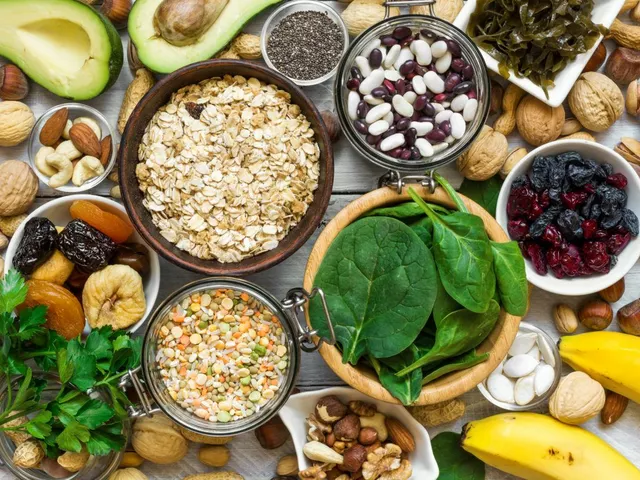
In my latest blog post, I delve into the surprising benefits of cashew dietary supplements. These little game-changers are packed with essential vitamins and minerals that can truly enhance your health regimen. I've explored how they can boost your immune system, improve heart health, and even aid in weight loss. Switching to cashew supplements could be the innovative change your diet needs. Trust me, your body will thank you.

Sometimes gabapentin just doesn't cut it for pain or seizures—or its side effects are just too much. This article digs into other meds that doctors often choose, breaking down how well they work and the most common side effects. From pregabalin to lesser-known options, you'll find practical details on dosing and comparisons on what users and research say. Real facts, dosing tips, and adverse event details for each option. If gabapentin isn't working for you, here's what else you can try.

Hi there, gentlemen! In today's blog post, we're going to tackle some of the most common myths and misconceptions surrounding high uric acid levels and gout. I bet you've heard many of them before, but rest assured, our aim is to debunk these myths and arm you with the facts. Let's navigate this journey together, separating fact from fiction when it comes to your health.

Nitrosamine contamination in generic drugs has triggered dozens of recalls since 2018. Learn how cancer-causing impurities slipped into medications like valsartan and metformin-and how the FDA is responding.