
Think everything you read about meds and supplements online is harmless? Not true. Some popular health tips are misleading and can cause real harm—like believing antibiotics are available over the counter or that "natural" always equals safe. This page clears up the most common mistakes and gives simple, practical steps you can use today.
Myth: You can buy antibiotics like amoxicillin without a prescription. Fact: Antibiotics need a prescription. Using them without a doctor’s guidance leads to wrong dosing, side effects, and antibiotic resistance. If a site sells antibiotics without asking for a prescription, walk away.
Myth: All online pharmacies are scams. Fact: Some are scams, but many are legitimate. Look for a working phone number, a real address, clear prescription rules, and verification such as NABP/VIPPS or PharmacyChecker. Also, legitimate pharmacies will require a valid prescription and offer secure payment options.
Myth: Natural supplements have no risks. Fact: Magnesium or valerian can help muscle tension, but they still interact with drugs and can cause side effects. For example, magnesium can lower blood pressure and interact with some heart meds. Always check interactions and tell your doctor about supplements.
Myth: Switching inhalers or psychiatric meds is just swapping names. Fact: Switching inhalers (like Symbicort to Advair) or changing antipsychotics or mood stabilizers often needs dose conversion, monitoring, and sometimes insurance approval. Some meds require blood tests or slow tapering—clozapine needs regular blood checks, for instance.
Ask one simple question first: who benefits from this claim? If a page pushes a drug or supplement with no side effects listed, be skeptical. Then do these checks: verify with official sources (FDA or your country’s health agency), ask a pharmacist, and search for reviews from trusted organizations, not anonymous forums.
When dealing with online pharmacies, confirm they ask for a prescription, show licensed credentials, have clear return and privacy policies, and offer secure payment. If price seems too good to be true, it probably is. For medication changes, talk to your prescriber about dosage conversion, side effects to watch for, and whether lab monitoring is needed.
Finally, track results. If a change in medication or a new supplement makes you feel worse, stop and call your clinician. Small mistakes add up—wrong doses, bad interactions, or fake products can lead to hospital visits. Use simple checks, ask questions, and trust professional advice over hype.
If you want, check our related guides on safe online pharmacies, switching inhalers, and natural muscle relaxants for specific examples and step-by-step checks you can use right now.

Hi there, gentlemen! In today's blog post, we're going to tackle some of the most common myths and misconceptions surrounding high uric acid levels and gout. I bet you've heard many of them before, but rest assured, our aim is to debunk these myths and arm you with the facts. Let's navigate this journey together, separating fact from fiction when it comes to your health.

This article offers an in-depth exploration of Sildalis, a combination therapy of Sildenafil and Tadalafil. It sheds light on the medical benefits, potential side effects, and the recommended dosages of this treatment. Furthermore, it provides guidance on how to safely obtain a Sildalis prescription online, empowering readers with essential knowledge for making informed health decisions.
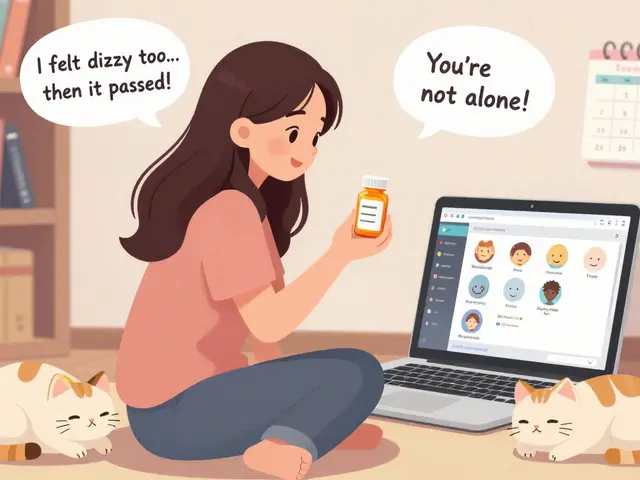
Patient support groups help people overcome fears about generic medications by sharing real experiences. Learn how these communities improve adherence, reduce costs, and build trust through peer stories backed by science.
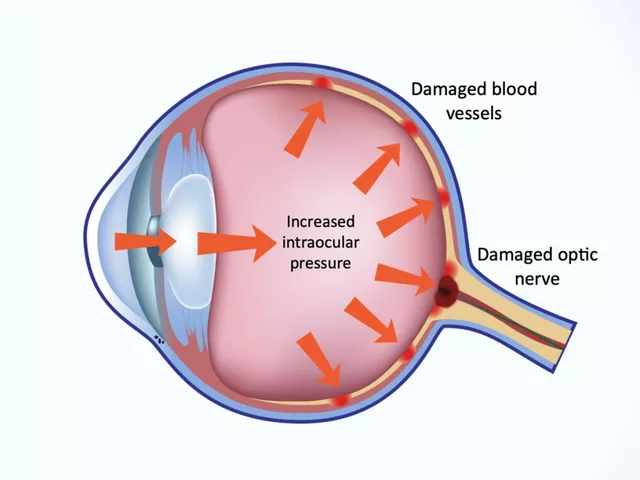
In a recent blog post, I discussed the link between high eye pressure and glaucoma, a potentially blinding eye disease. I learned that high eye pressure, also known as ocular hypertension, can damage the optic nerve and lead to glaucoma. It's important to have regular eye exams to detect any changes in eye pressure early on. While not everyone with high eye pressure will develop glaucoma, it is still a significant risk factor. Therefore, it's essential to be proactive in managing eye pressure and maintaining overall eye health.

High-protein meals can block levodopa from reaching the brain in Parkinson’s patients, causing sudden loss of mobility. Learn how protein redistribution, meal timing, and dietitian-guided plans can restore motor control without starving yourself.

A clear, side‑by‑side comparison of Lamictal dispersible (lamotrigine) with top mood‑stabilizer alternatives, covering efficacy, side effects, pregnancy safety, and how to pick the best option.