
Think gout only hits people who eat steak and drink champagne? That's a common story, but it's misleading. Gout is an inflammatory arthritis caused by uric acid crystals in the joint. Diet plays a role, but genetics, kidney function, body weight and some medicines matter more than most think.
Myth: Only rich people get gout. Fact: Gout can affect anyone. Processed food, obesity and common medications raise risk, not just fancy meals.
Myth: All alcohol is equally bad. Fact: Beer raises gout risk more than wine. Beer contains yeast and purines that boost uric acid. Red wine in moderation is less risky, but binge drinking is still harmful.
Myth: Dairy makes gout worse. Fact: Low‑fat dairy often lowers uric acid and can reduce flare risk. Plain yogurt and skim milk are generally safe choices.
Myth: You can cure gout with diet alone. Fact: Diet helps but usually won't stop flares if uric acid stays high. Many patients need urate‑lowering medicine like allopurinol or febuxostat to reach target uric acid and prevent attacks.
Myth: Normal blood uric acid rules out gout. Fact: Uric acid can be normal during or between attacks. Diagnosis depends on symptoms and sometimes joint fluid analysis to see crystals.
Keep hydrated. Drinking water helps kidneys clear uric acid. Aim for steady, regular fluids rather than chugging once a day.
Cut sugary drinks and limit beer. Fructose‑sweetened sodas and beer are two of the biggest dietary triggers. Replace soda with water, sparkling water, or unsweetened tea.
Watch portion sizes of high‑purine foods. You don’t have to avoid meat and seafood entirely—use moderation. Try more beans, vegetables, and whole grains.
Talk to your doctor about urate‑lowering therapy. If you get repeated flares or have uric acid above the recommended target, medicines like allopurinol lower uric acid long term and reduce attacks. Starting treatment is often the turning point.
Use fast treatment for flares. At the first sign of a flare, short courses of NSAIDs, colchicine, or a steroid usually shorten the attack. Don’t wait for it to peak—treat early.
Monitor other conditions. High blood pressure, diabetes, and kidney disease interact with gout. Managing these makes gout care simpler and safer.
When to see a specialist: if attacks are frequent, if joints look damaged, or if you have kidney stones. A rheumatologist can tailor treatment and adjust medications safely.
Gout isn't a moral failing or a simple food problem. Understand the real drivers, use proven treatments, and you can get control—often with fewer flares and less pain.
Keep track of your uric acid numbers and medication side effects. A simple log helps when you talk with your doctor. Don’t stop urate‑lowering drugs during a flare unless your clinician tells you to; stopping can actually trigger more problems. Small steady weight loss (5 to 10% of body weight) often lowers uric acid and cuts attack frequency. Combine exercise you enjoy with changes to your eating
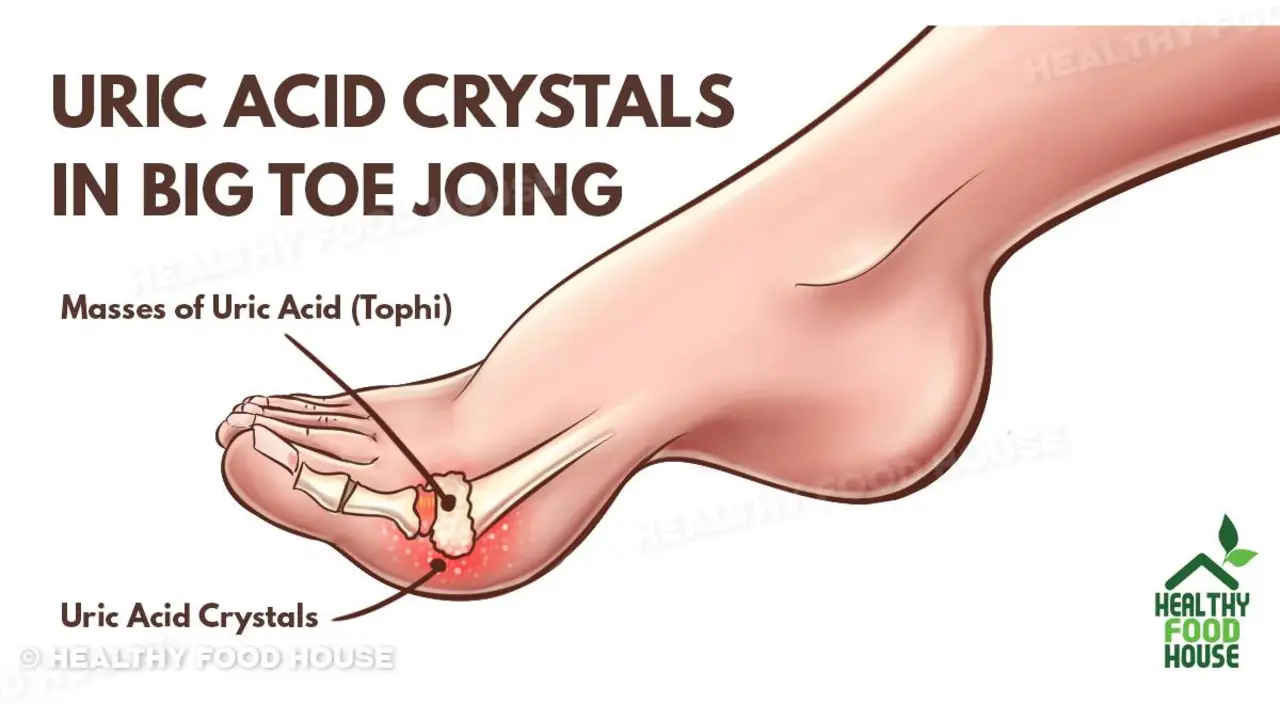
Hi there, gentlemen! In today's blog post, we're going to tackle some of the most common myths and misconceptions surrounding high uric acid levels and gout. I bet you've heard many of them before, but rest assured, our aim is to debunk these myths and arm you with the facts. Let's navigate this journey together, separating fact from fiction when it comes to your health.

Explore the advantages and drawbacks of congestion pricing, its impact on traffic, emissions, equity, and how cities fund better public transit.

Searching for the best 2025 alternatives to Verapamil can be overwhelming. This article breaks down each substitute, looking at the good, the bad, and who should consider them. You'll see a clear comparison of side effects, uses, and what kinds of patients each medication fits best. Plus, if you're not finding relief with Verapamil or can't use it due to side effects, you'll leave with a better idea of your next steps. Everything here is straightforward, current, and designed for people who want answers, not jargon.

Sleep apnea doesn't just disrupt sleep-it strains your heart, spikes blood pressure, and triggers dangerous arrhythmias. Learn how untreated sleep apnea increases heart attack, stroke, and atrial fibrillation risk-and what treatment can do to reverse it.

Ankylosing spondylitis causes chronic spine inflammation and can lead to fusion if untreated. Learn how medication, daily exercise, and lifestyle changes can preserve mobility and prevent long-term damage.

As a regular customer of exact-pharma.com myself, I've been extremely satisfied with their services. The convenience and efficiency of this online pharmacy have been absolutely fantastic. Also, the range of medication they offer, and the speed with which they deliver, have left me more than pleased. This article is a testimonial I'm sharing, based on my own positive experiences with exact-pharma.com and to express my gratitude towards them.