
One grapefruit or a single supplement can make a prescription too strong or useless. Some everyday foods change how drugs work — they can raise drug levels, lower effectiveness, or cause sudden side effects. Know the main food-drug pairs and a few quick rules so your meds do their job.
Grapefruit and grapefruit juice: Grapefruit blocks CYP3A4 in the gut. That can spike levels of certain statins (like simvastatin), some calcium channel blockers, benzodiazepines, and some immunosuppressants. If your prescriber warns against grapefruit, avoid the fruit, juice, and marmalades made from it.
Leafy green vegetables (high vitamin K): Foods like kale and spinach can reduce warfarin’s blood‑thinning effect. You don’t need to quit greens — just keep your intake steady and get INR checks if your diet changes a lot.
Dairy and calcium: Milk, yogurt, and calcium supplements bind to tetracyclines and fluoroquinolones and block absorption. Take those antibiotics two to four hours before or after dairy, calcium, iron, or antacids.
Iron and levothyroxine: Iron supplements and some multivitamins reduce levothyroxine absorption. Take thyroid meds on an empty stomach and wait four hours before iron or calcium.
Aged cheese, cured meats, and soy sauce (high in tyramine): If you’re on MAO inhibitors, these foods can trigger dangerous blood pressure spikes. Avoid aged or fermented foods while using MAOIs.
High‑potassium foods and salt substitutes: Bananas, oranges, potatoes, and potassium salt replacements can push potassium too high when combined with ACE inhibitors, ARBs, or potassium-sparing diuretics. Use lab results to guide intake.
Alcohol: Alcohol increases sedation and breathing suppression with opioids, benzodiazepines, and some antihistamines. It also worsens liver toxicity with acetaminophen and certain antifungals. When starting a new med, skip alcohol until you know how the drug affects you.
Herbal supplements: St. John's wort speeds up drug metabolism and can cut effectiveness of birth control, anticoagulants, and antidepressants. Other herbs, like ginkgo or garlic, can increase bleeding risk with blood thinners.
Keep one up-to-date med list and show it to every provider and pharmacist. Ask whether foods, supplements, or timing matter for each new prescription.
Space things out: For many antibiotics and minerals, a 2–4 hour gap is enough. For thyroid meds, aim for 30–60 minutes before breakfast or 4 hours after iron/calcium.
Be consistent: If you eat lots of vitamin K on weekdays, keep that routine. Sudden changes matter more than steady intake.
Use pharmacy counseling and reliable checkers (or Exact-Pharma guides) to flag big interactions. If you notice extreme dizziness, fast heartbeat, severe bleeding, or fainting after mixing food and meds, seek medical help right away.
Small food tweaks often fix the problem. Ask, test, and keep your meds working the way they should.

Managing hives can be challenging, but your diet plays a significant role in alleviating symptoms. By strategically including or excluding certain foods, you can potentially experience relief and keep outbreaks under control. Learn which foods to avoid and which to consume to help manage hives effectively.

As a blogger, I recently came across an interesting topic regarding the use of Cephalexin for preoperative prophylaxis. It's amazing to learn that this antibiotic can significantly reduce the risk of infection during surgery. By taking Cephalexin before a procedure, patients can prevent potential complications and ensure a smoother recovery. This is definitely an important measure to consider for those undergoing surgery. I'm glad to have discovered this valuable information and will continue to share such useful findings with my readers.
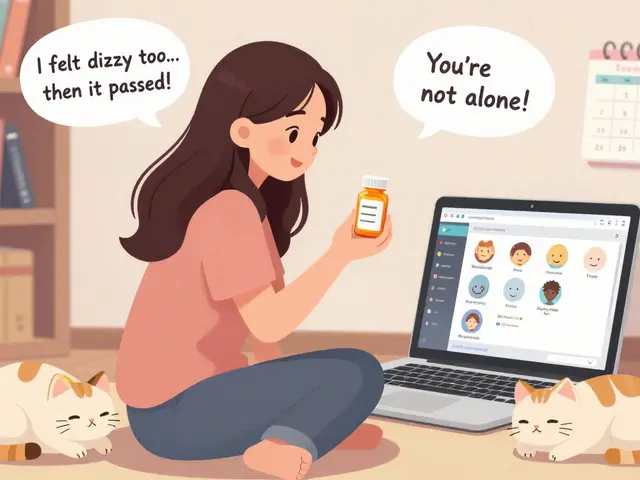
Patient support groups help people overcome fears about generic medications by sharing real experiences. Learn how these communities improve adherence, reduce costs, and build trust through peer stories backed by science.

Traveling can be an exciting experience, but for many, it comes with unwanted nausea. This article discusses practical and easy-to-implement tips to manage nausea while traveling, including preventive measures, diet considerations, and effective remedies.
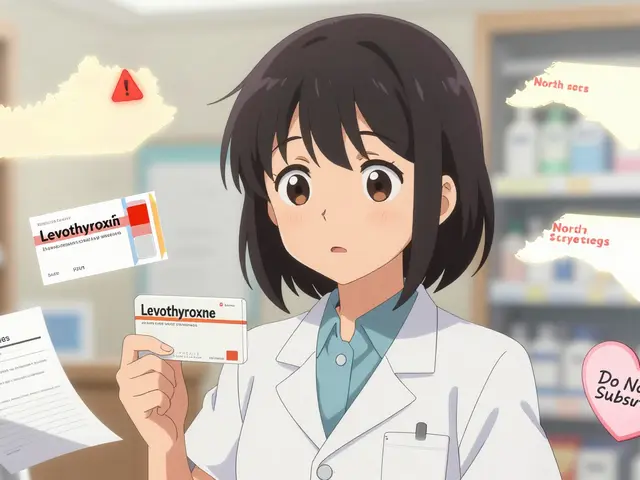
Twenty-seven U.S. states have special rules restricting generic substitution for narrow therapeutic index (NTI) drugs like warfarin, levothyroxine, and lithium. These laws vary widely - from outright bans to dual consent requirements - creating a patchwork that affects patient safety, pharmacy workflows, and drug costs.
In my recent research, I've come to understand there's a significant link between cholesterol levels and stroke risk. High levels of LDL or 'bad' cholesterol can lead to a build-up in the arteries, reducing blood flow to the brain and potentially causing a stroke. On the contrary, HDL or 'good' cholesterol can help remove LDL from the bloodstream, reducing the risk. Therefore, maintaining a healthy balance of cholesterol is key in stroke prevention. I believe it's crucial to keep an eye on our cholesterol levels and make necessary lifestyle changes if needed.