
Flomax (tamsulosin) helps many men with benign prostatic hyperplasia (BPH). These tips cut the risk of dizziness, sexual side effects, and drug interactions so you get the benefit without surprises.
Take Flomax once daily about 30 minutes after the same meal every day. A consistent routine helps steady absorption and reduces stomach upset. Typical starting dose is 0.4 mg once daily; doctors may raise it to 0.8 mg if needed. If you miss a dose, skip it and take the next dose at the usual time—don't double up.
Tamsulosin can lower blood pressure, especially when you stand up fast. Stand up slowly from sitting or lying down. Get up in stages if you feel lightheaded. Avoid heavy alcohol the first few days and after dose increases—alcohol makes dizziness worse. If you drive or operate machinery, make sure you know how Flomax affects you first.
Tell your doctor if you already take blood pressure meds, alpha blockers, nitrates, or PDE5 inhibitors (sildenafil, tadalafil). Combining these can cause a marked drop in blood pressure. Your prescriber may change doses or suggest timing adjustments.
Before any eye surgery for cataracts, tell your ophthalmologist you take Flomax. Tamsulosin is linked to intraoperative floppy iris syndrome (IFIS), which can complicate cataract surgery. Do not stop Flomax without discussing options with both your eye surgeon and the doctor who prescribes the medicine.
Know common side effects and when to call
Some men notice decreased semen during ejaculation or problems ejaculating. These effects are usually not dangerous but can be alarming—bring them up with your clinician. Seek urgent care if you have fainting, severe dizziness, fast heartbeat, or signs of an allergic reaction (hives, swelling, trouble breathing). Priapism (painful persistent erection) is rare but needs immediate emergency treatment.
Check medicines and supplements
Review all prescription and over-the-counter drugs with your pharmacist. Strong CYP3A4 inhibitors like ketoconazole or some antibiotics can raise tamsulosin levels. Over-the-counter decongestants, herbal supplements, and grapefruit products can interact with many drugs—ask before using them together with Flomax.
Special groups and monitoring
Flomax is usually for adult men with BPH. It’s not approved for children and rarely used in women. No routine blood tests are required, but your doctor may check blood pressure and ask about side effects at follow-up visits. If symptoms of urinary blockage get worse, seek medical help right away.
Simple habits make Flomax safer: take it after the same meal, stand up slowly, report side effects, and review all medicines with a provider. When in doubt, ask your doctor or pharmacist—small precautions prevent big problems.
If you travel or fast, keep taking Flomax after your meal if possible. Store tablets at room temperature away from moisture. Avoid crushing extended-release forms. If you start a new medication like an antifungal, liver enzyme inhibitor, or an antidepressant, check with your doctor — some drugs change how well tamsulosin works or increase side effects.

A must-read guide showing the safest and smartest routes to buying Flomax online, choosing reliable pharmacies, avoiding scams, and protecting your health.

Learn step‑by‑step how to purchase cheap generic tetracycline online, spot safe pharmacies, compare prices, and avoid counterfeit risks.

Turmeric supplements with black pepper pose serious risks for people taking blood thinners. Curcumin and piperine can increase bleeding danger by affecting clotting and drug metabolism. Real cases show dangerous INR spikes and liver damage. Medical experts recommend avoiding these supplements entirely. Always consult your doctor before using turmeric if on blood thinners.

Thyroid cancer is highly treatable, with most patients living normal lives. Learn about the main types-papillary, follicular, medullary, and anaplastic-and how radioactive iodine therapy and thyroidectomy are used to treat them. Understand when treatment is necessary and what to expect after surgery.
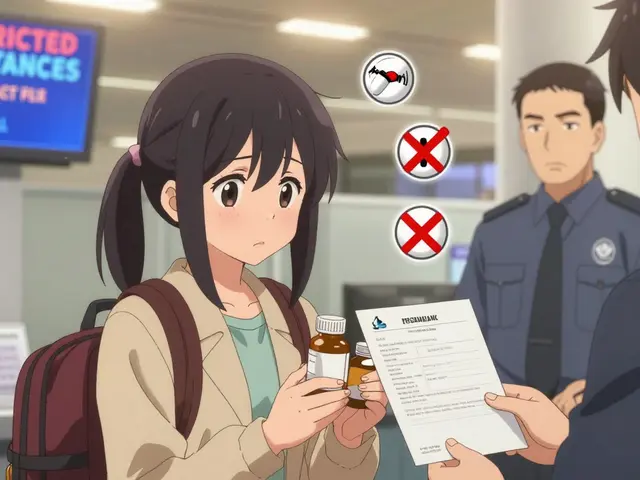
Learn how to safely carry and refill medications abroad, avoid legal trouble, and get local prescriptions when traveling. Essential tips for travelers with chronic conditions, mental health meds, or pain management needs.

Lamotrigine, commonly used as a mood stabilizer, plays an important role in the management of mood disorders such as bipolar disorder. By balancing mood swings and preventing episodes of depression and mania, it offers a crucial tool for mental health management. This article explores the mechanisms through which lamotrigine contributes to mood stabilization, potential side effects, and tips for effective use. Understanding these can help patients make informed decisions about their treatment. Real-life experiences and expert insights provide a holistic view of lamotrigine's impact on mental well-being.