
Ever wonder if your medicine is doing what it should? Effectiveness isn’t just what a label or ad claims — it’s what happens to you in real life. A drug can be highly effective in a clinical trial but work poorly for you because of dose, timing, interactions, or how it was stored and shipped. Knowing what to watch for makes the difference between a useful treatment and wasted time or harm.
Clinical trials measure efficacy under ideal conditions. Real-world effectiveness depends on everyday factors: whether you take the right dose at the right time, whether another drug blocks the effect, and whether the medicine you received is the genuine product. For example, switching inhalers (like moving from Symbicort to Advair) requires dose adjustment and follow-up — otherwise you may not get full symptom control. Or when a pain drug like gabapentin doesn’t help, a doctor may try alternatives with different modes of action.
Start by setting one or two clear goals you can measure. Is your goal fewer panic attacks, 30% less pain, a lower A1c number, or fewer incontinence episodes? Track that metric for a defined period — a few weeks for some drugs, several months for others. Keep a short log: date, dose taken, symptom rating, and any side effects. This gives you real data to discuss with your prescriber.
Watch for quick signs that something is wrong: new or worsening symptoms, severe side effects, or lab values that move in the wrong direction. Also allow enough time when appropriate. Antidepressants, for example, often need 4–8 weeks to show full benefit. If there’s no meaningful change after a reasonable trial and you followed directions, it’s time to talk about alternatives.
Consider switching if the drug doesn’t meet your goal, side effects prevent use, or monitoring tests don’t improve. Ask your clinician about alternatives that target the problem differently — lower side effects, better match for your other conditions, or easier dosing. For prescriptions bought online, effectiveness can be undermined by poor sourcing. Use pharmacies that require a valid prescription, show licensing info, and have clear contact details. Very low prices, blurry packaging photos, or no pharmacist contact are red flags.
Final quick checklist: set measurable goals, keep a short symptom log, follow dosing exactly, check for drug interactions, and confirm your pharmacy is verified. If progress stalls or problems pop up, ask for a plan B. That simple routine makes it much clearer whether a treatment is actually effective for you.
I recently came across a study discussing the effectiveness of Minocycline for sinus infections. It turns out, this antibiotic has shown promising results in treating both acute and chronic sinusitis. The study suggests that Minocycline may reduce inflammation and bacterial growth in the sinuses, providing relief for those suffering from sinus infections. However, it's important to consult with your doctor before using this medication, as it may not be suitable for everyone. So, if you're struggling with a sinus infection, Minocycline might be worth looking into as a potential treatment option.
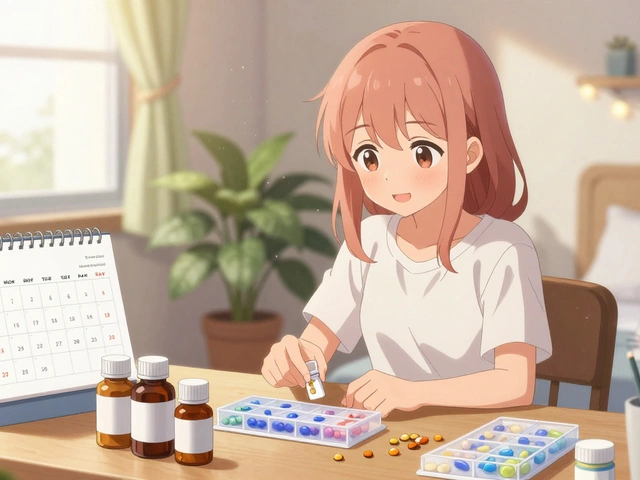
Create a simple medication expiration review schedule to avoid using ineffective or dangerous drugs. Learn how to check, sort, store, and dispose of pills safely with expert-backed steps and real-world tips.

As a blogger, I recently discovered some interesting information about the relationship between Atorvastatin and skin health. It turns out that Atorvastatin, a medication commonly used to lower cholesterol, may have some positive effects on our skin. Studies have shown that it can help reduce inflammation and improve skin conditions like psoriasis. However, it's important to note that Atorvastatin is not specifically designed for skin treatment and should only be used under the guidance of a healthcare professional. So, if you're struggling with skin issues, it might be worth discussing this medication with your doctor.

State laws determine whether pharmacists must or can switch your brand-name prescription to a cheaper generic. These rules affect your costs, safety, and access-and vary widely across the U.S.

Discover how proper hydration stabilizes the inner ear, reduces nausea, and keeps motion sickness at bay. Get practical water‑drinking schedules, fluid choices, and extra tips for comfortable travel.

High-protein meals can block levodopa from reaching the brain in Parkinson’s patients, causing sudden loss of mobility. Learn how protein redistribution, meal timing, and dietitian-guided plans can restore motor control without starving yourself.