
When your pharmacist hands you a different pill than what your doctor wrote on the prescription, it’s not a mistake—it’s usually drug substitution rules, the legal and clinical guidelines that let pharmacies swap brand-name drugs with generic versions under specific conditions. Also known as pharmacy substitution, it’s a standard practice meant to save money without compromising safety. But not all substitutions are equal. Some drugs can be swapped easily, while others carry hidden risks if switched without careful review.
These rules depend on three big factors: the generic drugs, chemically identical versions of brand-name medications approved by the FDA or equivalent agencies, the brand-name drugs, original medications developed by pharmaceutical companies under patent protection, and your state or country’s pharmacy laws. In the U.S., most states allow substitution unless the doctor writes "Do Not Substitute" or "Dispense as Written." But even when legal, it doesn’t always mean safe. For example, switching between different generic versions of epilepsy meds like levetiracetam can trigger seizures in some patients—even though both are labeled the same. That’s because small differences in inactive ingredients or how the drug is absorbed can matter a lot for narrow-therapeutic-index drugs.
It’s not just about generics versus brand. Sometimes, your insurance pushes a specific generic version because it’s cheaper, even if your doctor preferred another. Or your pharmacy switches brands mid-fill because the original ran out. That’s where medication switching, the process of changing from one drug formulation to another, whether generic or different brand becomes a real problem. People on blood thinners, thyroid meds, or psychiatric drugs often report subtle but serious changes in how they feel after a switch—even when the active ingredient is identical. That’s why knowing your rights matters. You can always ask: "Is this the same as what my doctor prescribed?" or "Can I stick with the brand if it works better for me?"
Drug substitution rules exist to cut costs, but they shouldn’t cut corners on your health. The posts below cover real cases where substitutions went wrong, how to spot authorized generics, why some countries have stricter rules than others, and what to do when your medication suddenly looks different. You’ll find practical advice from people who’ve been there, plus clear explanations of labeling, NDC codes, and how to push back when a swap feels risky. Whether you’re on a tight budget or just want to understand why your pills changed, this collection gives you the tools to take control—without guessing.
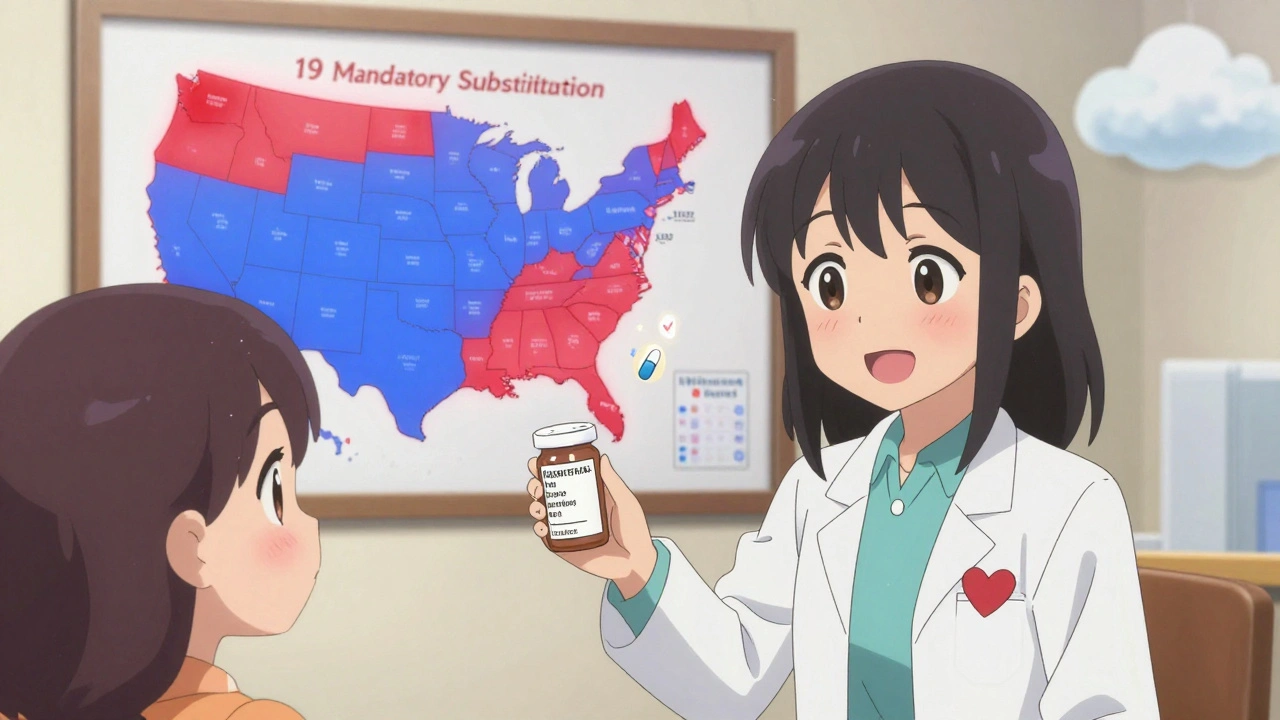
State laws determine whether pharmacists must or can switch your brand-name prescription to a cheaper generic. These rules affect your costs, safety, and access-and vary widely across the U.S.

Learn fast, safe ways to purchase cheap generic Bactrim online, compare prices, spot legit pharmacies, and avoid common pitfalls.

Need Mestinon info fast? Here’s how to reach the official label, dosing, side effects, shortages, and safe-use tips in 2025-without wading through junk search results.

Managing hives can be challenging, but your diet plays a significant role in alleviating symptoms. By strategically including or excluding certain foods, you can potentially experience relief and keep outbreaks under control. Learn which foods to avoid and which to consume to help manage hives effectively.

Explore nine alternatives to Inderal in 2025 that offer varying benefits for treating heart conditions, managing anxiety, and preventing migraines. This article dives into each alternative, comparing their pros and cons to help you make informed health decisions. Discover new options that might better suit your individual needs and lifestyle.
Side effects are the #1 reason people stop taking their meds-even when they know it's important. Learn how to manage them, when to speak up, and how pharmacists can help you stay on track.