
When your doctor suspects a blood clot, they often order a D-dimer test, a blood test that measures a protein fragment released when a clot breaks down. Also known as a D-dimer assay, it’s one of the fastest ways to rule out dangerous clots like deep vein thrombosis or pulmonary embolism. If the result is normal and you’re low-risk, you likely don’t have a clot—no need for scans, needles, or waiting days for answers.
The D-dimer test doesn’t tell you where the clot is, or even if one definitely exists. It only tells you if your body is actively breaking down clots. That’s why it’s most useful as a gatekeeper: if levels are low, you’re probably safe. But if they’re high, it means something’s going on—maybe a clot, maybe infection, surgery, pregnancy, or even cancer. That’s why doctors always combine the test with your symptoms, risk factors, and sometimes imaging.
People with deep vein thrombosis, a clot in a deep vein, usually in the leg often get this test because swelling, pain, or redness in one leg raises red flags. Same for those with sudden shortness of breath—pulmonary embolism, a clot that travels to the lungs—can be deadly if missed. The D-dimer test helps avoid unnecessary CT scans in younger, healthy people who might just have a pulled muscle or anxiety.
But here’s the catch: the test isn’t perfect. Older adults, pregnant women, and people recovering from surgery or illness often have naturally high D-dimer levels—even without clots. That’s why doctors don’t use it alone. They look at your overall picture. A high result in a 75-year-old with recent hip surgery? Maybe normal. A high result in a 30-year-old who just flew across the country? That’s a red flag worth checking.
You’ll also see this test used in cases of clotting disorder, a condition where blood clots form too easily or don’t break down properly. Conditions like DIC (disseminated intravascular coagulation) or antiphospholipid syndrome can send D-dimer levels sky-high. In those cases, the test helps track how bad things are and how well treatment is working.
What you won’t find in most articles: D-dimer tests are cheap, fast, and done with a simple blood draw. No fasting. No special prep. Results often come back in hours. That’s why emergency rooms and clinics rely on it. But it’s not a magic bullet. It’s a tool that works best when paired with clinical judgment. Too many people panic over a high result without understanding context—and that’s where this collection comes in.
Below, you’ll find real-world guides on how this test fits into broader health decisions—from when to question a doctor’s interpretation, to how it connects with other blood markers, to why some patients get false positives after trauma or infection. These aren’t textbook definitions. They’re practical insights from people who’ve been through it, and the experts who help them make sense of the numbers.

Sudden shortness of breath could be a sign of pulmonary embolism - a life-threatening blood clot in the lungs. Learn the key symptoms, how doctors diagnose it, and why acting fast saves lives.

Medications cause side effects because they interact with more than just their intended target. From genetic differences to off-target effects and drug interactions, science explains why reactions happen-and how we’re learning to prevent them.

As a blogger, I recently discovered some interesting information about the relationship between Atorvastatin and skin health. It turns out that Atorvastatin, a medication commonly used to lower cholesterol, may have some positive effects on our skin. Studies have shown that it can help reduce inflammation and improve skin conditions like psoriasis. However, it's important to note that Atorvastatin is not specifically designed for skin treatment and should only be used under the guidance of a healthcare professional. So, if you're struggling with skin issues, it might be worth discussing this medication with your doctor.

A clear guide that breaks down FDA risk‑benefit statements, shows where they appear, how to read numbers, and tips for patients to make informed decisions.

I recently discovered the incredible detoxifying effects of grapefruit dietary supplements and I'm amazed by the results! These supplements have not only helped me feel more energized, but also improved my digestion and overall health. I highly recommend giving grapefruit dietary supplements a try if you're looking to cleanse your body and boost your well-being. It's definitely a game changer in my daily routine. Don't miss out on experiencing these amazing benefits for yourself!
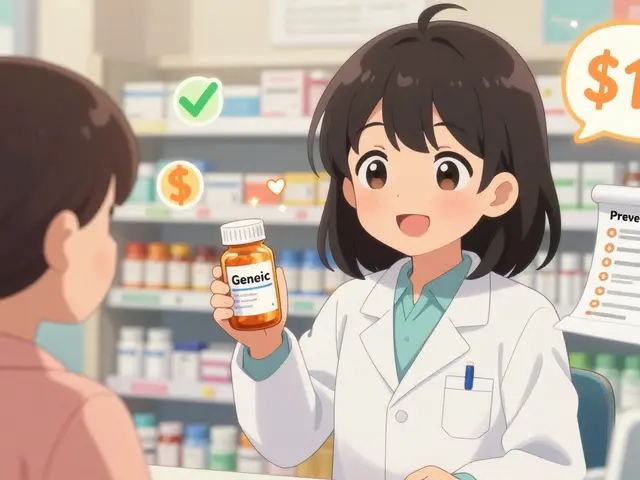
States use Preferred Drug Lists, pharmacist substitution rules, and copay differences to push generic drug use. These policies save billions without compromising care - but unintended rebate rules are putting some generics at risk.