
When you're going through chemotherapy, a medical treatment that uses drugs to kill cancer cells but also affects healthy cells in the process. Also known as chemo, it's a powerful tool—but it doesn't just target cancer. It hits your gut, your appetite, your energy, and your immune system too. That’s where chemotherapy nutrition, the practice of adjusting what you eat to support your body during cancer treatment. It’s not about diets or detoxes—it’s about survival, strength, and staying on track with your therapy. comes in. This isn’t guesswork. It’s science-backed, practical, and personal. You don’t need to eat organic or expensive superfoods. You need food that stays down, gives you energy, and helps your body repair itself while chemo does its job.
Many people don’t realize how closely chemotherapy side effects, the unwanted reactions caused by cancer drugs, including nausea, mouth sores, and loss of appetite. These are common and often underestimated. tie into what’s on your plate. A sore mouth? Soft, bland foods help. Nausea? Ginger, crackers, and small meals beat three big ones. Diarrhea or constipation? Fiber and fluids matter—but timing and type change everything. And if your white blood cell count drops, you need to avoid raw sprouts, undercooked eggs, or unpasteurized cheese—not because they’re "dirty," but because your immune system can’t fight off the bugs they carry. These aren’t myths. They’re real risks backed by hospital protocols and patient outcomes.
What you eat also affects how well your body handles treatment. Protein isn’t just for muscle—it’s for healing tissue damaged by chemo. Iron and vitamin B12 help fight fatigue. Zinc supports your sense of taste, which often fades during treatment. And hydration? It’s not optional. Dehydration makes nausea worse, kidneys struggle, and fatigue spikes. You don’t need fancy shakes or supplements unless your doctor says so. A bowl of oatmeal with peanut butter, a chicken broth, or a banana with yogurt can be more effective than a $20 bottle of protein powder. Real people, real meals, real results.
There’s no one-size-fits-all plan. What works for one person might make another sick. That’s why the best advice comes from listening—to your body, to your oncology dietitian, and to others who’ve been there. Below, you’ll find real stories and science-backed tips on managing nausea, boosting appetite, avoiding dangerous food interactions, and keeping your strength up—even when you feel like nothing tastes right. This isn’t about perfection. It’s about what you can actually do, day after day, while fighting cancer.

Learn how to manage nausea and prevent weight loss during chemotherapy with science-backed nutrition tips. Discover what to eat, what to avoid, and how to get enough protein and calories-even when you feel awful.

Learn how to safely buy cheap generic Provera online in Canada. Get a step‑by‑step guide, price comparison, verification tips, and FAQs for a hassle‑free purchase.
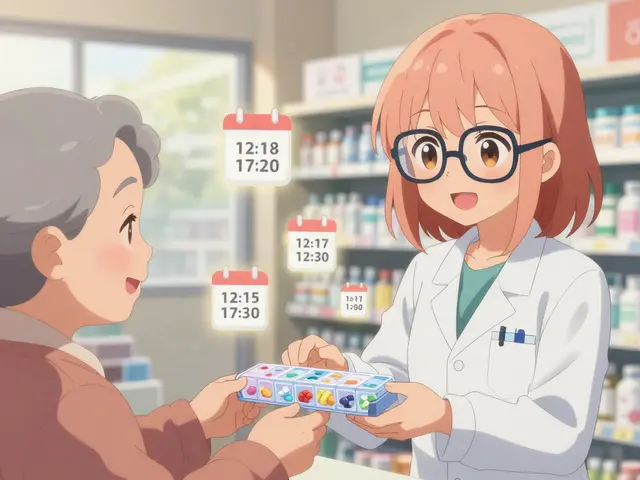
Learn how medication synchronization can cut your pharmacy visits in half and save hundreds on copays each year. A simple, free pharmacy service that helps you manage multiple prescriptions with fewer out-of-pocket costs.

Fenofibrate, usually known for managing cholesterol levels, has a surprising impact on overall cardiovascular health. By targeting triglycerides, it not only improves heart performance but also reduces risks associated with heart attacks and strokes. This article delves into how fenofibrate works, its benefits, potential side effects, and tips for safe consumption. Whether you're new to fenofibrate or looking to optimize its use, here's comprehensive guidance for enhancing heart health.
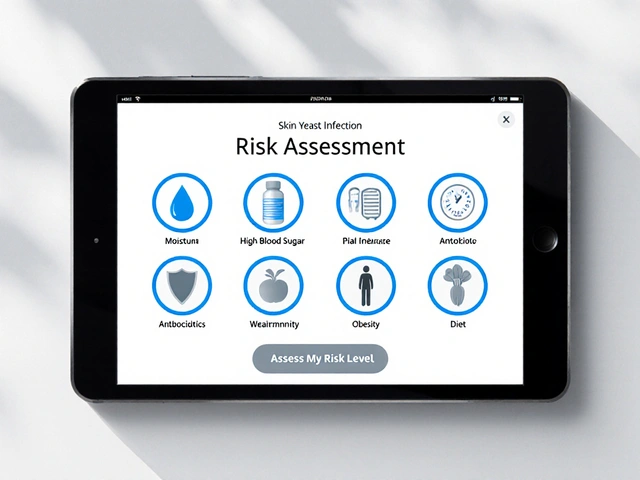
Learn practical steps to prevent skin yeast infections, from hygiene and clothing tips to diet and early detection, plus when to seek medical help.

Lamotrigine, commonly used as a mood stabilizer, plays an important role in the management of mood disorders such as bipolar disorder. By balancing mood swings and preventing episodes of depression and mania, it offers a crucial tool for mental health management. This article explores the mechanisms through which lamotrigine contributes to mood stabilization, potential side effects, and tips for effective use. Understanding these can help patients make informed decisions about their treatment. Real-life experiences and expert insights provide a holistic view of lamotrigine's impact on mental well-being.