
When dealing with anticoagulant comparison, you’re looking at side‑by‑side analysis of medicines that prevent blood clots. Also known as blood thinner comparison, this process helps patients and doctors weigh effectiveness, safety, cost, and lifestyle fit. For example, Warfarin, a long‑standing vitamin K antagonist that requires regular INR checks contrasts sharply with the newer Direct Oral Anticoagulants (DOACs), agents like apixaban or rivaroxaban that work without routine lab monitoring. The central idea is simple: match the drug’s mechanism and monitoring needs to the patient’s daily routine and health goals. This kind of comparison is the backbone of safe prescribing, especially when you factor in age, kidney function, or upcoming surgeries.
Beyond Warfarin and DOACs, the conversation often brings in Clopidogrel, an antiplatelet that blocks platelet aggregation rather than the clotting cascade. While not a classic anticoagulant, it’s a key player for people with carotid artery disease or after stent placement. The bleeding risk, the likelihood of unwanted bruises or serious hemorrhage becomes the pivot point when you compare these agents. A higher bleeding risk may push a clinician toward a lower‑dose DOAC or a carefully managed warfarin regimen, whereas a patient with a history of gastrointestinal bleeds might benefit more from a platelet‑focused strategy. Understanding how each drug influences clot formation and how it interacts with other medications is essential to tailor therapy without compromising safety.
First, ask yourself how the drug is cleared from the body. Warfarin relies on liver metabolism and is affected by diet, while DOACs are cleared through kidneys or a mix of pathways, making renal function a deciding factor. Second, think about how often you’ll need to test. Warfarin demands frequent INR checks; DOACs generally need none, which can be a game‑changer for busy lifestyles. Third, weigh drug‑drug interactions—Warfarin interacts with dozens of common meds and foods, whereas DOACs have fewer but still notable interactions (e.g., certain antifungals). Fourth, review cost and insurance coverage; generic warfarin is cheap, but some DOACs are now available as generics, narrowing the price gap. Finally, keep in mind the clinical scenario: atrial fibrillation, deep‑vein thrombosis, or mechanical heart valves all have preferred agents. Warfarin remains the only approved option for mechanical valves, while DOACs dominate for most non‑valve atrial fibrillation cases. By mapping these attributes—clearance, monitoring, interactions, cost, and indication—you create a transparent framework that turns a complex anticoagulant comparison into a practical decision‑making tool.
Now that you’ve got the big picture, scroll down to explore detailed guides on specific drugs, side‑effect profiles, and real‑world tips that will help you fine‑tune your blood‑thinner regimen.

Explore how Coumadin (Warfarin) compares to newer anticoagulants, including DOACs, heparin, and aspirin. Learn pros, cons, monitoring, cost and best-use scenarios.
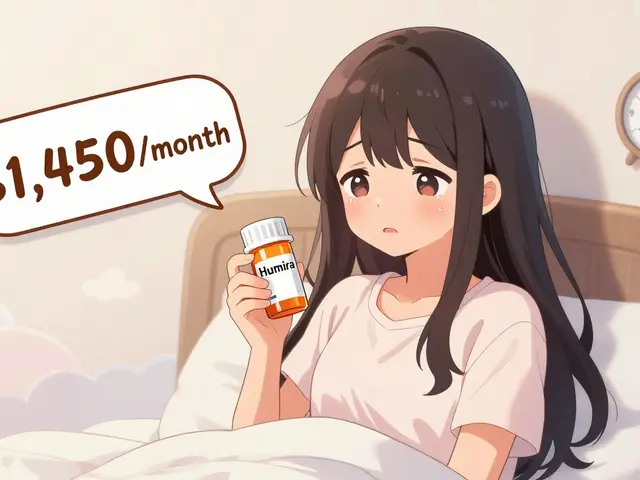
Not all brand-name drugs have generic versions-even after patents expire. Complex formulations, patent thickets, pay-for-delay deals, and FDA hurdles keep prices high. Here’s why some drugs stay expensive forever.

Hi there, gentlemen! In today's blog post, we're going to tackle some of the most common myths and misconceptions surrounding high uric acid levels and gout. I bet you've heard many of them before, but rest assured, our aim is to debunk these myths and arm you with the facts. Let's navigate this journey together, separating fact from fiction when it comes to your health.

Learn which heartburn medications are safe during pregnancy, including antacids like Tums, H2 blockers like Pepcid, and PPIs like Prilosec. Find out what to avoid and how to manage symptoms naturally.

Side effects are the #1 reason people stop taking their meds-even when they know it's important. Learn how to manage them, when to speak up, and how pharmacists can help you stay on track.
Learn how to purchase cheap generic amoxicillin online safely. Get legal tips, pharmacy comparisons, ordering steps, and money‑saving hacks in one concise guide.