
Antibiotics save lives, but they can also cause reactions you should know about. Some effects are mild and annoying; others need prompt medical attention. This guide walks you through the usual problems, the serious red flags, and simple steps you can take to stay safer while taking antibiotics.
Stomach upset, nausea, and diarrhea are the most common complaints. These often start within a day or two of the first dose and get better after the antibiotic ends. Yeast infections—thrush or vaginal yeast—can follow, especially after broad‑spectrum antibiotics. Some drugs cause a metallic taste, mild headaches, or dizziness. Photosensitivity (sunburn risk) happens with tetracyclines and some sulfa drugs, so use sunscreen and avoid long sun exposure while on them.
Stop the antibiotic and call a doctor immediately for hives, swelling of the face or throat, trouble breathing, or fainting—these are signs of an allergic reaction and can be life‑threatening. Severe diarrhea, especially with fever or blood in the stool, could mean Clostridioides difficile infection; older adults and people recently in the hospital are at higher risk. Some antibiotics can harm kidneys or ears (ototoxicity with aminoglycosides) or raise the risk of tendon rupture (fluoroquinolones). If you have new muscle pain, hearing changes, sudden rash, or yellowing skin/eyes, seek care right away.
Drug interactions matter. Antibiotics can change how other meds work—blood thinners like warfarin, certain heart drugs, and some antidepressants are common examples. Tell your prescriber about all prescription drugs, over‑the‑counter meds, and supplements you use, including herbal products.
Want to reduce problems? Take antibiotics exactly as prescribed. Don’t skip doses or stop early unless a clinician tells you to. For stomach upset, some pills are kinder with food—check the label. Avoid alcohol with metronidazole and be cautious with sun exposure for photosensitive meds. Consider probiotics to lower antibiotic‑linked diarrhea risk: take them a few hours apart from the antibiotic and continue for a week after finishing the course.
If you’re pregnant, breastfeeding, elderly, or have kidney or liver disease, ask your doctor if the chosen antibiotic is safe. Report serious side effects to your prescriber and your local health authority if needed. Keep a list of side effects, start date, and the drug name—this helps your clinician act fast if problems arise.
Antibiotics are powerful tools. Knowing the likely side effects, spotting the warning signs, and following a few simple precautions makes treatment safer and more effective. If something feels wrong, call your healthcare provider—better to check than to ignore a problem that could get worse.
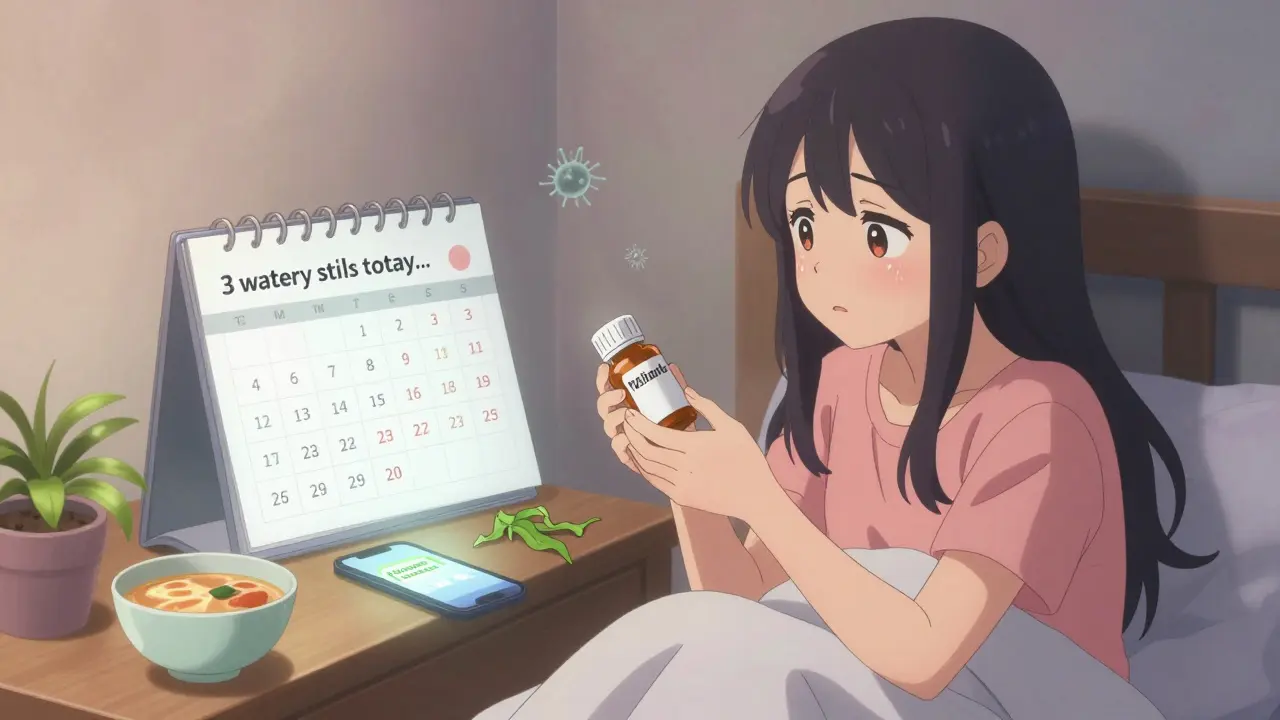
Clindamycin carries a high risk of triggering C. difficile infection, a potentially deadly gut condition. Learn the warning signs, when to seek urgent care, and why safer alternatives often exist.

Learn how to space probiotics and antibiotics correctly to prevent diarrhea and protect your gut. Discover the best strains, doses, and timing rules backed by science.
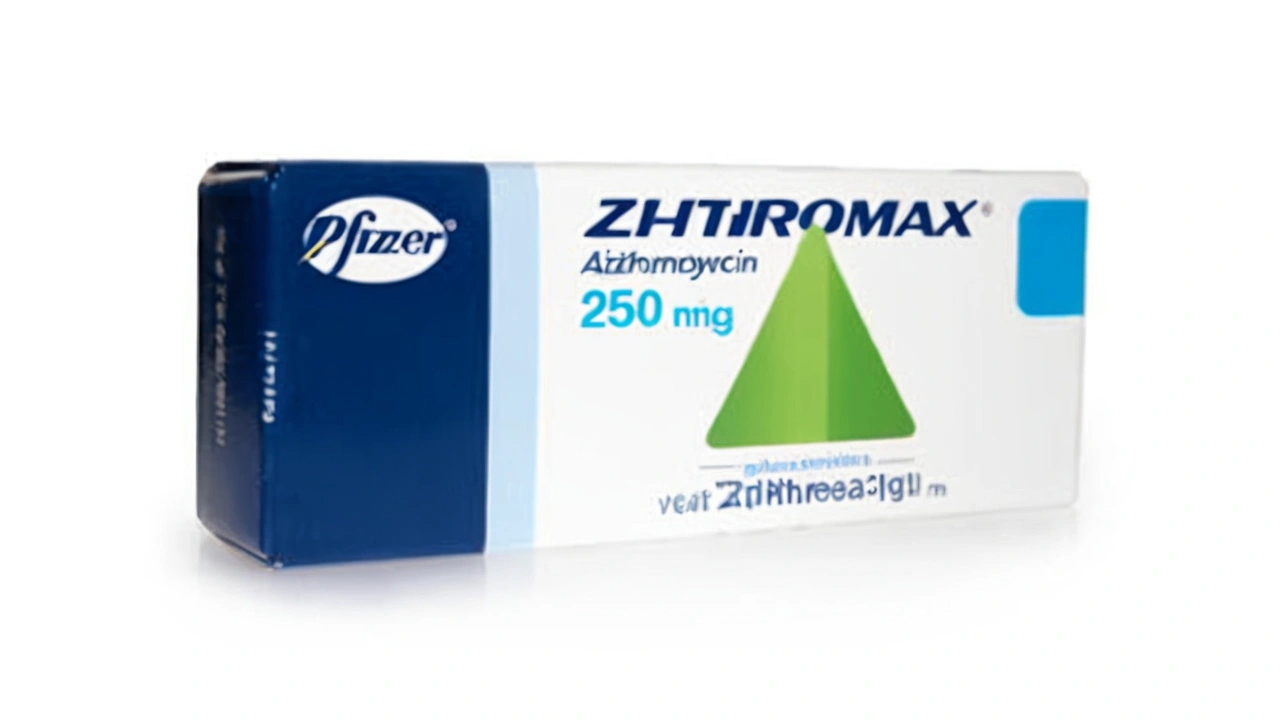
An in-depth look into the severe side effects of the antibiotic Zithromax (Z-Pak) and the legal actions against Pfizer Inc. Over-prescription risks, patient reports of severe health issues, and legal options for affected individuals are discussed.

In my latest research, I discovered that nerve blocks and injections are becoming increasingly popular in the treatment of trigeminal neuralgia. This condition is characterized by severe facial pain, and these treatments provide temporary relief by numbing the affected area. I learned that doctors often use nerve blocks as a diagnostic tool to pinpoint the source of pain and to determine the most effective treatment plan. Additionally, injections such as Botox and steroid injections can help reduce inflammation and alleviate pain. Overall, these treatments offer a promising alternative to medications and surgical procedures for individuals suffering from trigeminal neuralgia.

Learn how to set up a simple, effective system to track medication costs and get automatic refill alerts-without expensive tools or complex software. Save money and avoid dangerous gaps in treatment.

Support groups help stroke survivors and their families cope with emotional recovery, reduce isolation, and improve long-term outcomes. Real stories and science show why connection matters as much as therapy.
Effective patent life for drugs is often just 10-13 years, not 20, because development and approval eat up half the patent term. Learn how patents, exclusivities, and legal tactics delay generic competition.

A detailed guide that compares Symbicort (budesonide/formoterol) with its main alternatives, covering mechanism, dosing, side effects, cost, and how to pick the right inhaler.