
Think the numbers on your Advair inhaler mean the same thing? They don't. Advair combines fluticasone (a steroid) and salmeterol (a long-acting bronchodilator). The label uses two numbers like 250/50 — the first is fluticasone micrograms, the second is salmeterol micrograms per inhalation or actuation. But device type changes how much drug reaches your lungs, so a 250/50 Diskus is not identical to a 250/50 HFA.
Advair comes mainly as Diskus (a dry powder inhaler) and HFA (a pressurized metered-dose inhaler). Diskus strengths are 100/50, 250/50, and 500/50. HFA strengths are 45/21, 115/21, and 230/21. Those HFA numbers look different because the HFA device delivers smaller micrograms per puff but releases the drug in a form that reaches the airways differently. In practice clinicians treat these pairs as approximate equivalents: Diskus 100/50 ≈ HFA 45/21, Diskus 250/50 ≈ HFA 115/21, and Diskus 500/50 ≈ HFA 230/21.
Device design, particle size, and inhalation effort change the delivered dose. Diskus relies on your breath to pull dry powder into the lungs. HFA sprays a measured liquid aerosol. The labeled micrograms are the amount in the medication unit, not the exact amount absorbed by lung tissue. So matching labels alone can be misleading. Also, salmeterol listing differs: Diskus labels salmeterol at 50 mcg while HFA lists about 21 mcg per actuation — yet their clinical effects line up when used as prescribed.
If your prescription changes form, expect your prescriber to pick the HFA strength that pairs closest to your old Diskus dose. Don’t switch strengths yourself. When switching, watch symptoms and keep a peak flow meter or symptom diary for a week or two. If you notice more wheeze, cough, or need more rescue inhaler use, contact your clinician quickly.
Read labels: the first number is fluticasone (steroid), the second is salmeterol (bronchodilator). Advair is a maintenance inhaler — it helps control chronic symptoms, not immediate relief. For HFA, shake well, prime per instructions, and count actuations. For Diskus, slide the lever to load a dose and breathe in steadily; Diskus does not need shaking or priming. Keep track of remaining doses and replace the inhaler before it runs out.
Don’t compare products only by the printed numbers. Technique matters more than a tiny microgram difference. Never change inhalers or dose without talking to your doctor. If you have side effects like increased heart rate, tremor, or worsening breathing, seek medical advice.
If you want help figuring your exact replacement dose, print your current label and ask your pharmacist or prescriber. They can match strengths and give hands-on tips for the new device.
Store both types at room temperature, away from heat and moisture. Don’t freeze. If you travel by plane, keep inhalers in carry-on. If a different brand is substituted at the pharmacy, compare ingredients — it should list fluticasone and salmeterol — and ask for a demo or usage tips.

Find practical tips and facts on switching from Symbicort to Advair: dosage conversion, side effects, and insurance authorization. Get smart, hands-on guidance here.

Learn how to safely store medications in shared living spaces to prevent accidents, ensure effectiveness, and comply with safety standards. Essential tips for families, roommates, and caregivers.

Explore how clopidogrel works for carotid artery disease, its clinical evidence, comparisons with other antiplatelets, and practical tips for patients and doctors.

Learn step‑by‑step how to purchase cheap generic tetracycline online, spot safe pharmacies, compare prices, and avoid counterfeit risks.

In a recent blog post, I discussed the link between high eye pressure and glaucoma, a potentially blinding eye disease. I learned that high eye pressure, also known as ocular hypertension, can damage the optic nerve and lead to glaucoma. It's important to have regular eye exams to detect any changes in eye pressure early on. While not everyone with high eye pressure will develop glaucoma, it is still a significant risk factor. Therefore, it's essential to be proactive in managing eye pressure and maintaining overall eye health.
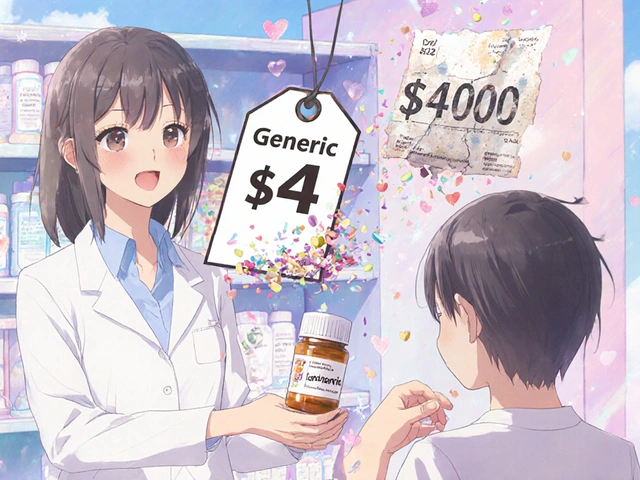
Generic drugs cost 80-85% less than brand-name drugs because they don’t repeat expensive clinical trials or pay for patent-era marketing. They’re chemically identical, FDA-approved, and save Americans billions every year.