
Zithromax, the brand name for azithromycin, is one of the most commonly used antibiotics for ear, throat, lung, skin infections, and some STIs. People like it because dosing is simple and side effects are usually mild. That said, it’s not a cure for viral colds or the flu — only bacterial infections respond to it.
The familiar Z‑Pak schedule is 500 mg on day one, then 250 mg once daily on days two through five. Another typical plan is 500 mg once daily for three days. For chlamydia, doctors often use a single 1 g dose. Pediatric dosing is weight‑based — for many kids the pattern is 10 mg/kg on day one, then 5 mg/kg on days two to five. Take it as your prescriber tells you. If you miss a dose, take it when you remember unless the next dose is soon; don’t double the next dose.
Some forms are pills, others are liquid. You can take azithromycin with or without food. Storing the liquid in the fridge often makes it taste better and keeps it fresh; check the label.
Common side effects include nausea, stomach pain, diarrhea, and headache. Serious reactions are rare but possible: severe allergic reaction, liver problems, and heart rhythm changes (QT prolongation). Tell your clinician if you have heart disease, low potassium, slow heartbeat, or a family history of sudden cardiac death.
Azithromycin can interact with other drugs. Mention blood thinners, some antiarrhythmics, certain antipsychotics, and other medicines that affect heart rhythm. A few HIV and hepatitis drugs can interact too. If you take many medicines, bring a full list to your provider before starting azithromycin.
If you get severe belly pain, yellowing skin or eyes, dark urine, rash, fainting, or a very fast or irregular heartbeat, stop the drug and seek care. If diarrhea is severe, watery, or bloody after antibiotics, contact a doctor — that could be C. difficile.
Antibiotic resistance is a real problem. Only use Zithromax when a bacterial infection is likely and a clinician prescribes it. Finish the prescribed course unless your clinician advises otherwise. Don’t share leftover pills or keep them for self‑treatment later.
Thinking of buying online? Use licensed pharmacies that require a prescription and show clear contact details. Avoid sites offering big discounts without prescriptions — counterfeit meds exist. If you’re unsure, ask your pharmacist or clinician to confirm the product.
Got questions? Take your symptoms, medical history, and medicine list to your clinician. A quick test or culture can often prevent unnecessary antibiotics and get you the right treatment faster.
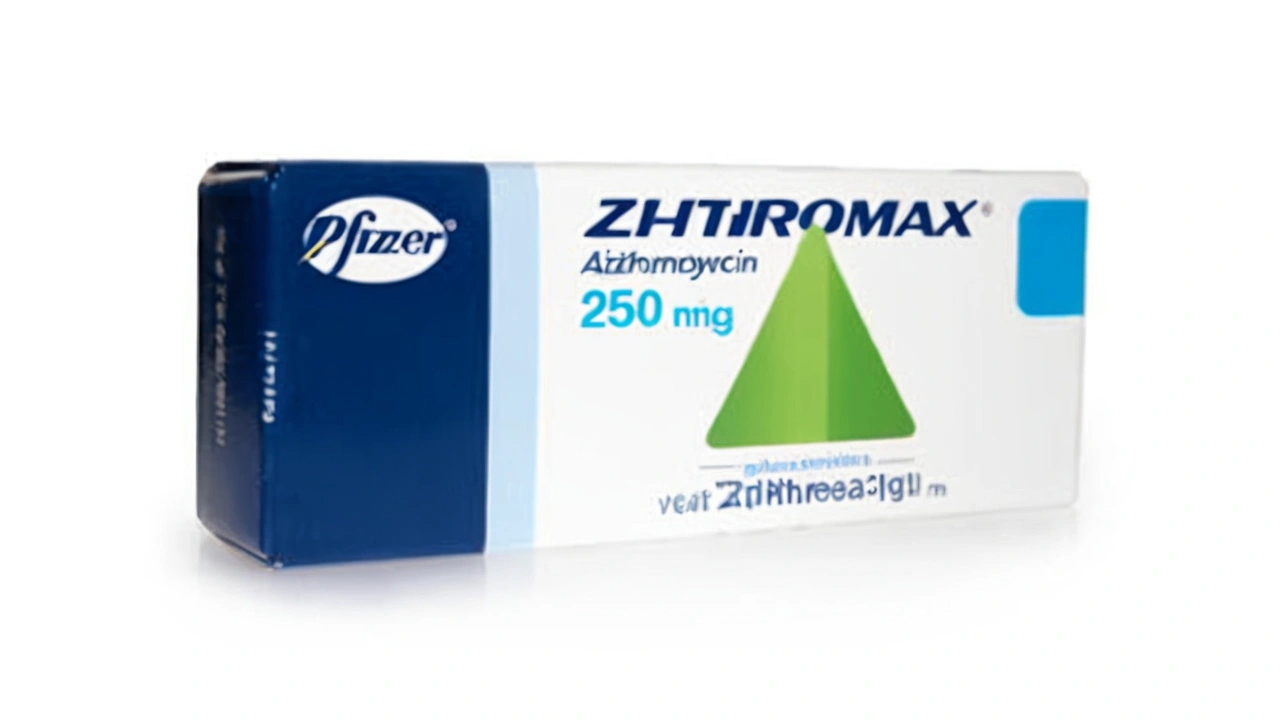
An in-depth look into the severe side effects of the antibiotic Zithromax (Z-Pak) and the legal actions against Pfizer Inc. Over-prescription risks, patient reports of severe health issues, and legal options for affected individuals are discussed.

Practical guide to using exercise to protect your liver with chronic hepatitis B-safe intensity, weekly plans, red flags, and what the science actually says.

Finding the right online pharmacy can be overwhelming, especially with so many choices available. This article explores eight alternatives to CVS.com, each offering unique services and benefits. From major retailers like Walgreens and Target to online giants like Amazon Pharmacy, discover which option best suits your needs. We also dive into niche services like Capsule and Costco, weighing their pros and cons to help you make an informed decision.
Affirmative consent laws don't apply to medical decisions. Learn how real patient permission works through informed consent and substituted judgment when you can't speak for yourself.

Learn how to manage nausea and prevent weight loss during chemotherapy with science-backed nutrition tips. Discover what to eat, what to avoid, and how to get enough protein and calories-even when you feel awful.

Explore how quetiapine influences quality of life, covering its benefits, side effects, clinical evidence, real‑world experiences, and practical tips for patients.