
When you get a vaccine, you’re not just receiving a shot—you’re receiving the end result of a complex, high-stakes system called the vaccine supply chain, the end-to-end network that moves vaccines from manufacturers to patients while maintaining strict temperature, timing, and safety controls. Also known as the cold chain, it’s what keeps vaccines alive, potent, and ready to protect you. This isn’t just about trucks and refrigerators. It’s a global web of manufacturers, regulators, warehouses, clinics, and frontline workers—all working in sync, often across continents and extreme climates.
Every vaccine has a narrow window of stability. Some, like the original mRNA COVID-19 shots, need to stay frozen at -70°C. Others, like the measles vaccine, can handle regular refrigeration but still degrade fast if exposed to heat. If a vaccine spends too long outside its safe range, it loses effectiveness. That means even a broken fridge in a rural clinic or a delayed shipment at a border can mean a child goes unvaccinated. The cold chain logistics, the specialized transport and storage systems designed to keep vaccines at precise temperatures from factory to arm is the silent hero here. It includes temperature-controlled trucks, insulated containers, real-time trackers, and trained staff who know how to handle each type of vaccine. Without it, even the most advanced science is useless.
And it’s not just about keeping things cold. The vaccine distribution, the process of getting vaccines to the right places at the right time, often under tight deadlines and limited resources involves planning for population density, transportation access, and even cultural trust. In some areas, the biggest hurdle isn’t the fridge—it’s getting people to show up. That’s why successful programs combine logistics with community outreach. Meanwhile, the immunization programs, organized efforts by governments and health groups to deliver vaccines systematically to populations rely on data tracking, appointment systems, and inventory management to avoid waste and gaps. These systems were pushed to their limits during the pandemic—and they held.
What you’ll find in this collection are real stories from inside this system. Articles break down how vaccines are stored in remote villages, why some countries struggle with last-mile delivery, how temperature sensors prevent spoilage, and what happens when a shipment gets stuck. You’ll learn how the same supply chain that delivers flu shots also supports polio eradication and HPV prevention. These aren’t abstract concepts—they’re daily challenges faced by nurses, drivers, and lab technicians around the world.
Understanding the vaccine supply chain isn’t just for public health experts. It’s for anyone who’s ever waited for a shot, wondered why it took so long, or questioned why some places get vaccines faster than others. This collection gives you the facts—not the hype—about how your protection gets made, moved, and delivered. And if you’ve ever thought, "How does this even work?"—you’re about to find out.

Vaccine generics don't exist like drug generics-complex manufacturing, supply chains, and profit-driven systems keep low-income countries dependent on imports. Here's why global vaccine access remains unequal.

Learn how to speak up about medication side effects with clear steps, real tools, and proven strategies that help you communicate better with your doctor and avoid dangerous health risks.
Want cheap generic Clomid online in 2025? Here’s how to do it safely: real prices, legit pharmacy checks, risks, and smart alternatives that might save you more.
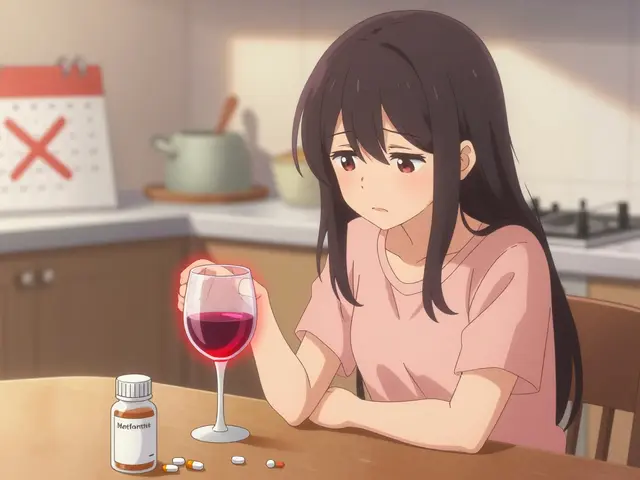
Combining metformin and alcohol can trigger lactic acidosis-a rare but deadly condition. Learn the real risks, symptoms to watch for, and what experts actually recommend for people with type 2 diabetes who drink.

Get the facts on Biltricide (Praziquantel): its uses, how it works, side effects, safety tips, and practical advice for treating tapeworms, liver flukes, and schistosomiasis.

Discover how disrupted sleep and circadian rhythm sabotage weight loss by slowing metabolism and increasing cravings. Learn how timing your meals can help you lose weight without cutting calories.