
A single tapeworm can reach several meters, yet many people barely notice symptoms. If you’ve seen white rice-like segments in your stool, lost weight without trying, or have belly pain and fatigue, don’t wait — get checked. The fastest way to fix this is a simple diagnosis and a short, effective course of medicine prescribed by a doctor.
Start by collecting evidence: save a stool sample or any segments you find in the toilet in a clean container and take them to your clinic. Tell your doctor about recent travel, raw or undercooked meat or fish you ate, and anyone in your household with similar symptoms. These details help identify the tapeworm type and guide treatment.
Doctors commonly prescribe praziquantel or niclosamide. Praziquantel is often given as a single dose and works well against most tapeworms. Niclosamide is another option, taken as a single dose in many cases. For certain infections (like those caused by fish tapeworms or when eggs are a concern), albendazole may be used for several days. Your provider will pick the right drug and dose based on the species and your health.
Important safety note: if there’s any chance the tapeworm eggs reached your tissues (for example with Taenia solium, the pork tapeworm), brain or organ imaging may be needed first. Treating neurocysticercosis without proper evaluation can cause inflammation and make symptoms worse. If you have headaches, seizures, vision changes, or new neurological signs, seek urgent medical care — management is different and may involve specialists and steroids.
After treatment, your doctor will usually ask for a follow-up stool test in 2–3 weeks to confirm the tapeworm is gone. Don’t assume you’re cured just because symptoms eased. Some infections need a second check or repeat treatment.
Prevention is straightforward: cook meat and fish to safe temperatures, freeze fish meant for raw dishes following guidelines, and wash fruits and vegetables well. Always wash hands after using the toilet and before handling food. If one family member tests positive, others should be watched and tested; sometimes household screening is advised.
Avoid self-medicating with unverified products. Over-the-counter remedies are not reliable for tapeworms, and wrong treatment can delay proper care. Talk to your pharmacist or doctor about interactions if you take other medicines.
If you’re unsure whether symptoms are serious, or if you develop neurological issues, high fever, severe abdominal pain, or persistent vomiting, get evaluated right away. With the right tests and medicine, most tapeworm infections clear quickly and completely. Keep simple hygiene habits, and you’ll greatly lower the chance of getting infected again.

Get the facts on Biltricide (Praziquantel): its uses, how it works, side effects, safety tips, and practical advice for treating tapeworms, liver flukes, and schistosomiasis.

Generic drugs save money-but their availability and price vary wildly around the world. Why do some countries have 80% generic use while others use less than 20%? And why do the same pills cost 10x more in one country than another?
In my latest blog post, I explored the role of nutrition in managing hyperprolactinaemia, a condition where there is an excess of prolactin hormone in the blood. Through my research, I discovered that certain dietary changes, such as reducing refined sugar and processed food intake, can help maintain hormonal balance. Additionally, incorporating foods rich in Vitamin B6, zinc, and magnesium can aid in managing symptoms. I also highlighted the importance of a balanced diet and regular exercise in overall hormone regulation. Don't miss out on these valuable tips and insights to help manage hyperprolactinaemia through proper nutrition!

Clindamycin carries a high risk of triggering C. difficile infection, a potentially deadly gut condition. Learn the warning signs, when to seek urgent care, and why safer alternatives often exist.

In my latest blog post, I delve into the complex world of Alzheimer's Type Dementia, breaking down its progression into specific stages. I discuss the early signs, which may be as subtle as mild forgetfulness, to the more severe stages that can involve significant memory loss and confusion. I also touch on the emotional journey for both the patient and their loved ones as they navigate this challenging condition. It's a tough topic, but understanding what to expect can help us provide the necessary support and care. I hope this post brings some light to the often misunderstood progression of Alzheimer's.
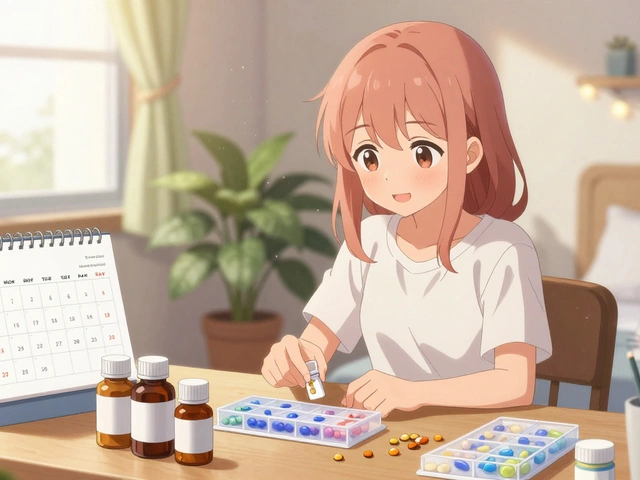
Create a simple medication expiration review schedule to avoid using ineffective or dangerous drugs. Learn how to check, sort, store, and dispose of pills safely with expert-backed steps and real-world tips.