
If Symbicort (budesonide/formoterol) isn’t working for you, costs too much, or you want a different inhaler device, you’ve got options. Symbicort is an inhaled corticosteroid (ICS) plus a long-acting beta-agonist (LABA). Alternatives fall into the same ICS+LABA class, or into different combinations depending on whether you have asthma or COPD. Don’t stop or change medications without talking to your clinician first.
Dulera (mometasone/formoterol) — very similar to Symbicort because it pairs a steroid with formoterol, a fast-acting LABA. Some people prefer its flavor or inhaler feel. Ask about samples to try it first.
Advair / Seretide (fluticasone/salmeterol) — this combo uses salmeterol, which works a bit slower than formoterol. Many patients switch to Advair when they need a different effect or when insurance covers it better.
Breo Ellipta (fluticasone furoate/vilanterol) — once-daily dosing can be easier to remember. It’s often chosen by people who prefer a dry-powder inhaler and a single daily dose.
Generic budesonide + formoterol — generic versions of Symbicort or its components may be available where you live. Generics cost less and contain the same active drugs. Ask your pharmacist if a generic match exists.
Other strategies for COPD — if you have COPD rather than asthma, doctors sometimes use LABA+LAMA combos (two bronchodilators) or triple therapy that includes an inhaled steroid. These aim at better symptom control and fewer exacerbations. Your clinician will pick based on lung function, symptoms, and exacerbation history.
Match the drug to your diagnosis. Asthma usually needs an ICS+LABA controller plus a short-acting rescue inhaler. COPD choices depend on airflow limitation and flare-up risk. Your doctor can explain why one class fits better.
Think about the inhaler device. Metered-dose inhalers, dry powder inhalers, and soft-mist inhalers each feel different and need different breathing techniques. If you struggle with a device, ask for training and a spacer if recommended.
Check cost and coverage. Insurance formularies vary. A different brand or a generic can cut your out‑of‑pocket costs a lot. Pharmacies and patient-assistance programs sometimes offer coupons or starter packs.
Watch for side effects when you switch. New throat irritation, hoarseness, or minor tremor can occur with any ICS+LABA. Rinse your mouth after steroid inhalers and report anything concerning to your clinician.
Practical tips: don’t stop suddenly, carry your rescue inhaler, get a short supervised trial if possible, and have an action plan for worsening symptoms. If your current inhaler isn’t helping, talk to your prescriber — together you can choose an option that fits your breathing, your budget, and your daily routine.

Find practical tips and facts on switching from Symbicort to Advair: dosage conversion, side effects, and insurance authorization. Get smart, hands-on guidance here.

Learn how to safely buy cheap generic Neurontin online, spot legit pharmacies, compare prices, avoid scams, and get your prescription delivered to Ottawa.

Nitrosamine contamination in generic drugs has triggered dozens of recalls since 2018. Learn how cancer-causing impurities slipped into medications like valsartan and metformin-and how the FDA is responding.
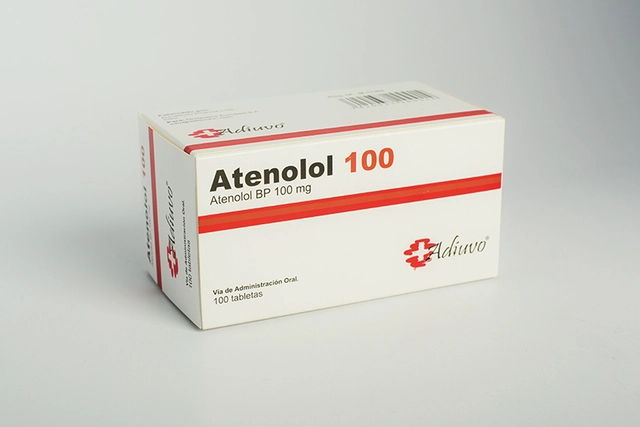
After researching the long-term effects of Atenolol-Chlorthalidone on our health, I've discovered both positive and negative outcomes. This combination medication is primarily used to treat high blood pressure, which can lead to a decreased risk of heart attacks, strokes, and kidney problems. However, long-term use may cause side effects like dizziness, fatigue, and depression. It's essential to work closely with your healthcare provider to find the right balance for your individual needs. Overall, Atenolol-Chlorthalidone can be an effective treatment for high blood pressure, but we need to be mindful of potential side effects over time.

Learn about common and serious side effects of pancrelipase, how to manage them, and when to seek medical help. Essential info for anyone on enzyme replacement therapy.

Find out how and where to buy Nefazodone online in 2025 safely, including tips on avoiding scams, legal facts, and what you need to know before ordering.