
Redness, bumps, itch, or flaky patches — skin problems are annoying and common. You don’t always need a specialist. With a few simple steps you can ease symptoms fast, spot trouble signs, and choose safer over-the-counter options while deciding if you need a doctor.
First, identify what you’re dealing with. Acne usually shows as pimples, blackheads, or deeper cysts on the face, chest, or back. Eczema causes dry, itchy patches often behind knees or inside elbows. Psoriasis looks like thick, silvery plaques on elbows, knees, or scalp. Fungal infections (athlete’s foot, ringworm) are itchy, well-defined rings or scaly feet. Contact dermatitis appears where skin touched a new soap, lotion, or metal.
Start small and be consistent. For dry, red eczema, use a thick, fragrance-free moisturizer twice daily and a short course of 1% hydrocortisone cream on flared areas (follow label). For mild acne, try a cleanser with salicylic acid or a spot treatment with benzoyl peroxide. Over-the-counter antifungal creams with clotrimazole or terbinafine work well for ringworm and athlete’s foot — keep the area dry and change socks often.
If you suspect a bacterial skin infection like impetigo (honey-colored crusts), see a provider — topical mupirocin or oral antibiotics may be needed. For persistent rashes that don’t respond to OTC care, a dermatologist can prescribe stronger topical steroids, topical calcineurin inhibitors (like tacrolimus), or other targeted meds.
Protect your skin with sunscreen (SPF30+), avoid hot showers, use gentle fragrance-free cleansers, and moisturize right after bathing. Patch-test new products on a small area for 48 hours before using widely. For fungal infections, wear breathable fabrics, wash bedding often, and don’t share towels.
Avoid picking or squeezing pimples — that raises scarring risk. If acne leaves deep nodules or scars, see a dermatologist about prescription options, including topical retinoids or oral treatments. For eczema, identify triggers (stress, certain soaps, wool) and remove them when possible.
Watch for red flags. If a rash spreads quickly, has severe pain, fever, pus, or the skin becomes numb, get medical help. Also see a doctor for any changing mole (use the ABCDE rule: Asymmetry, Border, Color, Diameter, Evolving).
Med safety note: follow product labels, don’t use strong steroid creams long-term without medical advice, and consult your pharmacist or doctor before combining prescription and OTC treatments. Pregnant or breastfeeding? Check with your provider before using topical or oral meds.
If you want reliable drug info or deeper guides on specific treatments, Exact-Pharma has clear, trusted articles on medications and skin therapies. Treat mild issues at home when safe, but don’t delay care for fast-spreading, painful, or fever-associated skin problems.

As a copywriter, I've been researching Celecoxib and its connection to skin conditions, and I'd like to share some important information I've learned. Celecoxib is a nonsteroidal anti-inflammatory drug (NSAID) commonly used to treat pain and inflammation. However, it's crucial to know that some people may experience skin reactions while taking this medication. These reactions can range from mild rashes to serious conditions like Stevens-Johnson Syndrome. If you're considering Celecoxib for pain relief, it's essential to consult with your doctor about potential risks and monitor your skin closely while taking the medication.

Learn step‑by‑step how to purchase cheap generic tetracycline online, spot safe pharmacies, compare prices, and avoid counterfeit risks.

Learn how the ABCDE rule helps spot melanoma, why it often misses early cases, and when to insist on a biopsy. Real facts, real stories, and what to do now.

Clomid, known for helping with ovulation, is a go-to fertility drug for women and can help men, too. This article breaks down how Clomid works, who it’s for, what to expect, and the real-life experiences that come with it. If you’re curious about side effects, success rates, or want some tips for making treatment smoother, you’ll find answers here. We explore both science and stories, so you walk away with practical, real-world info. No dry medical talk—just honest facts.
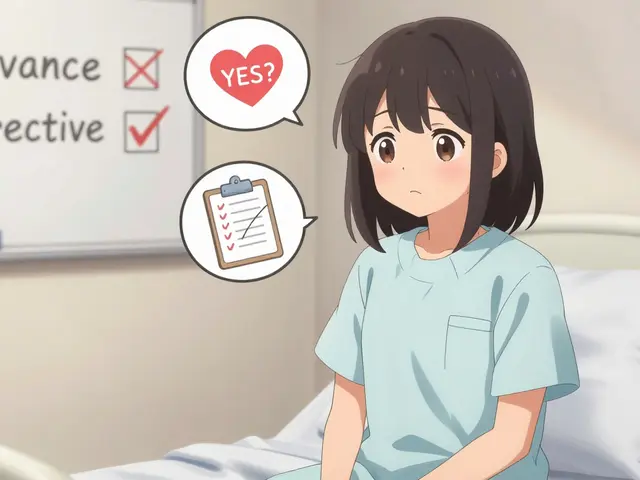
Affirmative consent laws don't apply to medical decisions. Learn how real patient permission works through informed consent and substituted judgment when you can't speak for yourself.

Looking for cheap generic Premarin online? See if it exists in 2025, safe pharmacy checks, fair prices in Canada/US, and proven, lower-cost alternatives.