
If sildenafil isn’t working or you just want to try something else, you’re not alone. Lots of men look for other ways to boost performance, and the market offers several solid choices. Below we break down the most popular prescription swaps, natural supplements, and lifestyle tweaks that can help you feel confident again.
Tadalafil (Cialis) is the most common standby. It lasts up to 36 hours, so you don’t have to plan every dose exactly before sex. The longer window can be a game‑changer for spontaneous moments. Common side effects are headache, back pain, and mild flushing—usually gone within a day.
Vardenafil (Levitra, Staxyn) works a bit faster than sildenafil, kicking in within 15‑30 minutes. It’s especially good for men who find sildenafil’s 30‑minute start too slow. Side effects mimic those of sildenafil: facial flushing, stuffy nose, and occasional dizziness.
Avanafil (Stendra) is the newest kid on the block. It can start working in as little as 10 minutes and has a lower dose range, which may reduce side effects. If you’re sensitive to headaches or visual changes, avanafil is worth a chat with your doctor.
All three require a prescription, and they share a similar safety profile: avoid them if you’re taking nitrates for heart disease or have severe low blood pressure. Your doctor can run a quick check to make sure the drug won’t clash with other meds.
Natural Supplements like L‑arginine, Korean red ginseng, and yohimbe have modest evidence for improving blood flow to the penis. They’re not as potent as prescription pills, but they can help if your ED is mild and linked to poor circulation. Start with low doses and watch for side effects like stomach upset or jitteriness.
Pelvic Floor Exercises (Kegels) often get dismissed, yet they strengthen the muscles that control erection. A simple routine—squeeze for five seconds, relax for five, repeat ten times a day—can boost rigidity over weeks.Weight Management and Exercise matter more than you think. Extra weight squeezes blood vessels, making it harder for blood to reach the penis. A 30‑minute walk, jog, or bike ride most days can improve both heart health and sexual performance.
Quitting Smoking & Limiting Alcohol removes two major roadblocks to a solid erection. Nicotine narrows blood vessels, while too much booze depresses the nervous system. Cutting back often leads to noticeable gains in just a few weeks.
Finally, talking to a professional matters. A urologist or sexual health therapist can pinpoint the exact cause—whether it’s psychological, hormonal, or vascular—and tailor a plan that mixes medication, lifestyle, and counseling.
Bottom line: you have plenty of sildenafil alternatives, from long‑lasting pills like tadalafil to simple changes in diet and exercise. Pick the path that fits your health, schedule, and comfort level, and don’t hesitate to get a doctor’s input before starting anything new. Your next great night could be just a few smart tweaks away.

Learn everything about Penegra - what it treats, how to take it, possible side effects, drug interactions, and safety tips for 2025.
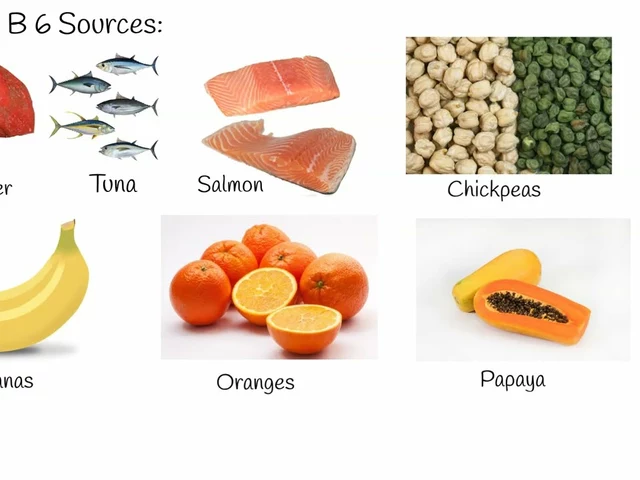
In my recent deep dive into the world of vitamins and their impact on mental health, I've discovered the significant role of Pyridoxine, also known as Vitamin B6. Research has shown that this vitamin can help manage stress and anxiety levels effectively. It plays a crucial role in the production of neurotransmitters, which are essential in regulating mood and stress responses. Low levels of Pyridoxine have been linked with increased anxiety and stress. So, keeping an eye on your B6 intake could be a natural way to maintain your mental wellbeing.

Fluticasone nasal spray and oral steroids both reduce inflammation, but they work very differently. Learn why nasal spray is safer for allergies and when oral steroids are actually needed.

High-protein meals can block levodopa from reaching the brain in Parkinson’s patients, causing sudden loss of mobility. Learn how protein redistribution, meal timing, and dietitian-guided plans can restore motor control without starving yourself.
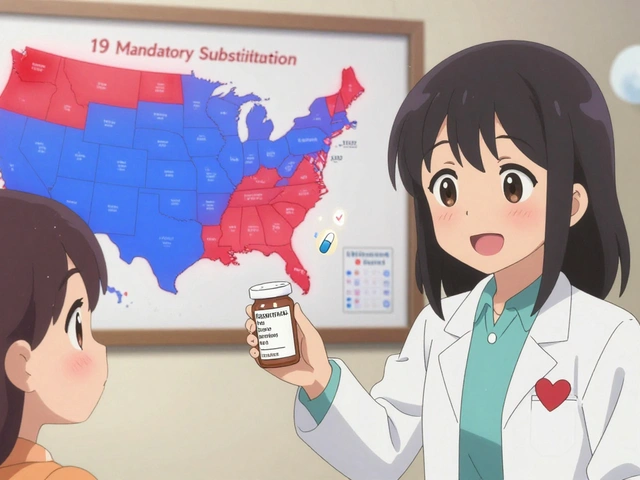
State laws determine whether pharmacists must or can switch your brand-name prescription to a cheaper generic. These rules affect your costs, safety, and access-and vary widely across the U.S.

EU cross-border pharmacy services let citizens buy generic drugs in any member state using digital prescriptions. Learn how ePrescriptions work, where they’re accepted, and what still blocks access in 2026.