
Ordering meds online can save time and money — but delivery is where risks pop up. Packages get lost, bottles can be tampered with, and international shipments face customs delays. Below are concrete steps to keep your medicines safe from checkout to your door.
Only use pharmacies that clearly list a physical address and a licensed pharmacist you can call. In the U.S., look for NABP or VIPPS accreditation. For Canadian options, check for CIPA or other local regulators. Read recent user reviews, but treat star ratings with caution — dig into comments about delivery and packaging.
Check the site security: HTTPS, a visible privacy policy, and clear refund/return rules. Never pay by wire transfer or untraceable methods. Use a credit card or PayPal for fraud protection and get two-factor authentication on your account when possible.
If your medication needs a prescription, the pharmacy should request one. Watch out for sites that sell controlled meds without asking for a valid RX — that’s a red flag.
Choose tracked, insured shipping and require a signature on delivery for high-value or temperature-sensitive meds. If an item needs cold-chain handling (like some biologics or insulin), confirm the pharmacy uses refrigerated packaging and a fast carrier.
Discreet packaging is normal, but tamper-evident seals are a must. Open the package on camera or in daylight so you can spot damage, wrong pills, expired items, or loose blister packs. If anything looks off, don’t use the medicine. Save the box, labels, and receipts — you’ll need them to report the problem.
For international orders, check customs rules and expected delays. Some countries seize prescriptions or require local authorization. Factor in extra transit time and any import taxes before you order.
If a package is late, contact the carrier and the pharmacy right away. If sealed packaging is broken or pills look different from what your prescriber prescribed, contact the pharmacy and your doctor. Ask for a replacement and a refund if necessary; escalate to your bank if the site won’t cooperate.
Keep your mailing address secure. Use workplace delivery, locker pickup, or a secure neighbor if you worry about porch theft. For recurring deliveries, set a schedule that matches your use so meds don’t sit out too long.
Finally, check pills and labels when you first open them. Match the drug name, strength, lot number, and expiration date with your order. If the pharmacy won’t provide lot numbers or a pharmacist’s contact, pick a different supplier. Your health depends on it.
Following these steps cuts most delivery risks. Verify credentials, use secure payment and tracked shipping, inspect packages on arrival, and keep records. That’s how you make medication delivery actually secure.

Explore how sex-pharm24.com works, discover safe ordering, real product quality, and tips for discreet, secure pharmacy delivery. All you need to know in one guide.
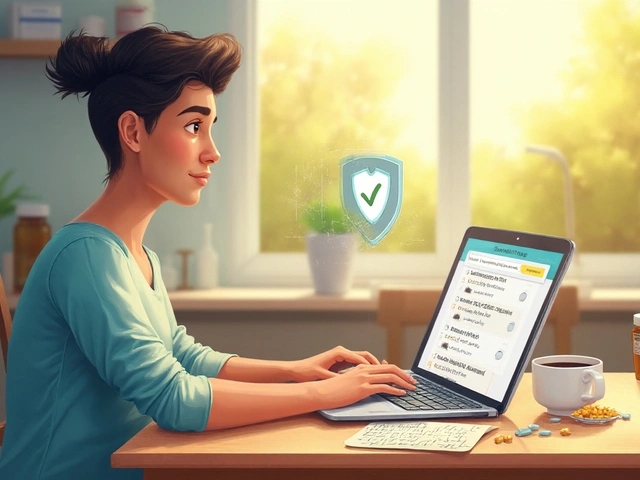
Learn how to safely purchase cheap generic Coumadin (warfarin) online, compare prices, avoid scams, and manage your anticoagulation therapy.
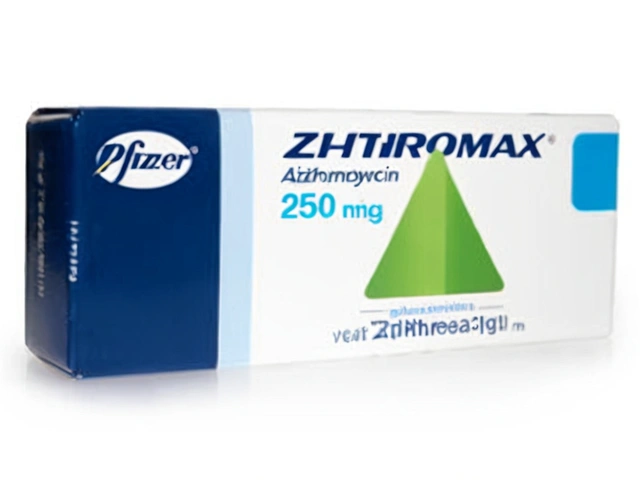
An in-depth look into the severe side effects of the antibiotic Zithromax (Z-Pak) and the legal actions against Pfizer Inc. Over-prescription risks, patient reports of severe health issues, and legal options for affected individuals are discussed.
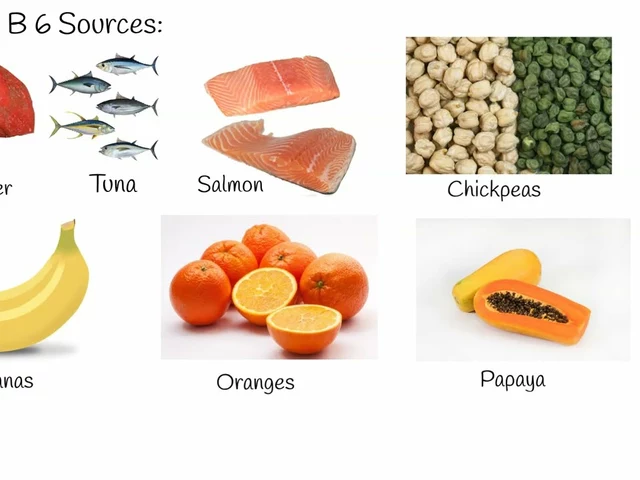
In my recent deep dive into the world of vitamins and their impact on mental health, I've discovered the significant role of Pyridoxine, also known as Vitamin B6. Research has shown that this vitamin can help manage stress and anxiety levels effectively. It plays a crucial role in the production of neurotransmitters, which are essential in regulating mood and stress responses. Low levels of Pyridoxine have been linked with increased anxiety and stress. So, keeping an eye on your B6 intake could be a natural way to maintain your mental wellbeing.
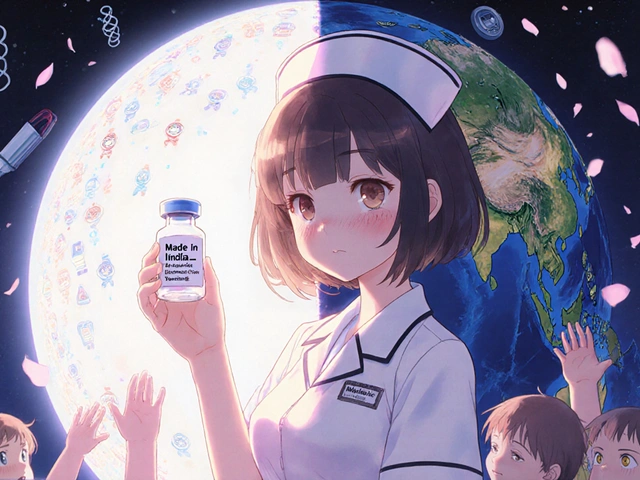
Vaccine generics don't exist like drug generics-complex manufacturing, supply chains, and profit-driven systems keep low-income countries dependent on imports. Here's why global vaccine access remains unequal.
I've recently discovered a game-changer for wellness, the Arenaria Rubra dietary supplement. This little-known natural powerhouse is full of benefits that can boost your overall health and vitality. It's amazing how it supports everything from our digestive system to our skin health. I've been incorporating it into my daily routine, and I can genuinely feel the difference. If you're looking to elevate your wellness game, Arenaria Rubra is definitely worth considering.