
When you take antibiotics, medications that kill harmful bacteria causing infections. Also known as antibacterial drugs, they’re essential for treating serious illnesses—but they don’t distinguish between good and bad bugs. That’s where probiotics, live microorganisms that support a healthy gut microbiome. Often found in yogurt, kefir, or supplements, they help restore balance after antibiotics wipe out your natural gut bacteria. The problem? Most people take probiotics at the wrong time, or skip them entirely, leaving their digestion wrecked for weeks.
Antibiotics like amoxicillin, ciprofloxacin, or doxycycline don’t just target the infection. They hit your entire gut ecosystem. That’s why diarrhea, bloating, and yeast infections are so common after a course. Studies show up to 30% of adults develop antibiotic-associated diarrhea, and probiotics can cut that risk by nearly half. But not all probiotics are equal. Strains like Lactobacillus rhamnosus GG and Saccharomyces boulardii have real data backing them for this exact use. Others? They’re just sugar-coated marketing.
Your microbiome isn’t just about digestion—it affects your immune system, mood, even how well your body absorbs nutrients. When antibiotics disrupt it, you’re not just feeling off—you’re making yourself more vulnerable to future infections. That’s why timing matters. Taking probiotics too close to your antibiotic dose can mean the drug kills them before they even settle in. Most experts recommend spacing them out by at least two hours. And don’t stop probiotics when the antibiotics do. Keep going for at least two weeks after your last pill. That’s when your gut needs the most help rebuilding.
Some people think probiotics are only for people with digestive issues. But if you’ve ever taken an antibiotic—even once—you’re a candidate. Even if you feel fine, your gut flora is still recovering. And if you’re on long-term antibiotics, like for acne or recurrent UTIs, your microbiome might never fully bounce back without targeted support. That’s why doctors who understand gut health now routinely recommend probiotics alongside prescriptions.
But here’s the catch: probiotics aren’t magic. They won’t fix everything. If you’re still feeling bloated or tired weeks after finishing antibiotics, something else might be going on—like small intestinal bacterial overgrowth, or a lack of prebiotic fiber to feed the good bacteria. That’s why the posts below cover more than just probiotics and antibiotics. You’ll find real advice on managing antibiotic side effects, choosing the right supplement, and how to rebuild your gut long-term. Some posts talk about how drug interactions can mess with absorption. Others show how gut health ties into everything from skin rashes to immune response. This isn’t just about pills. It’s about understanding your body’s inner ecosystem—and how to protect it when medicine disrupts it.
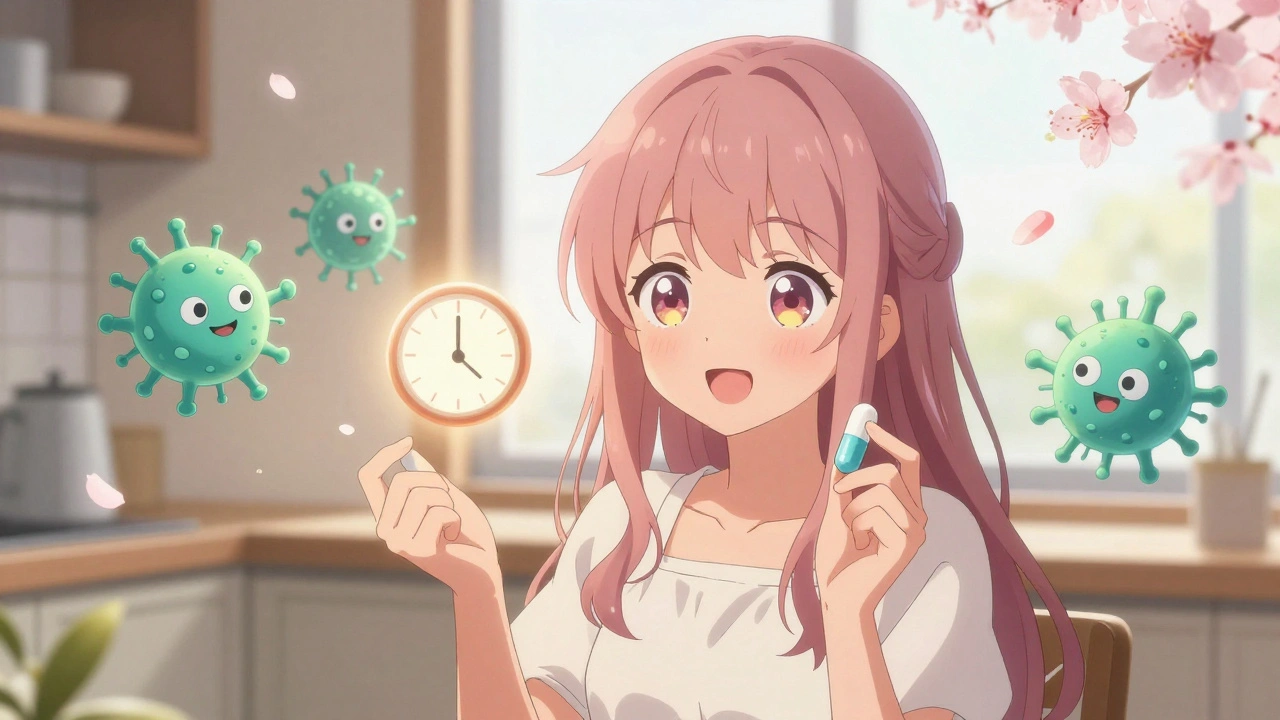
Learn how to space probiotics and antibiotics correctly to prevent diarrhea and protect your gut. Discover the best strains, doses, and timing rules backed by science.
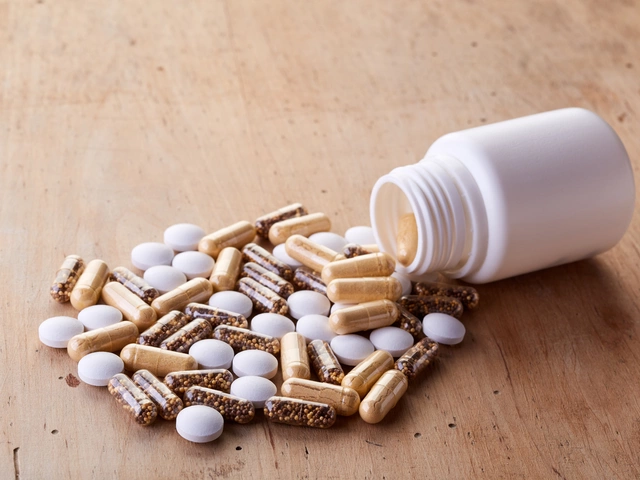
I've recently discovered a game-changer for wellness, the Arenaria Rubra dietary supplement. This little-known natural powerhouse is full of benefits that can boost your overall health and vitality. It's amazing how it supports everything from our digestive system to our skin health. I've been incorporating it into my daily routine, and I can genuinely feel the difference. If you're looking to elevate your wellness game, Arenaria Rubra is definitely worth considering.

Navigating exercise with an overactive bladder can be tricky, but you don’t have to give up being active. This article breaks down how movement affects OAB, which types of workouts actually help, and what to avoid if you want to prevent leaks or accidents. Get practical tips on managing symptoms before, during, and after exercise, plus advice for building confidence when trying new routines. Say goodbye to embarrassment and uncertainty—everything here is designed for people ready to be active on their terms.
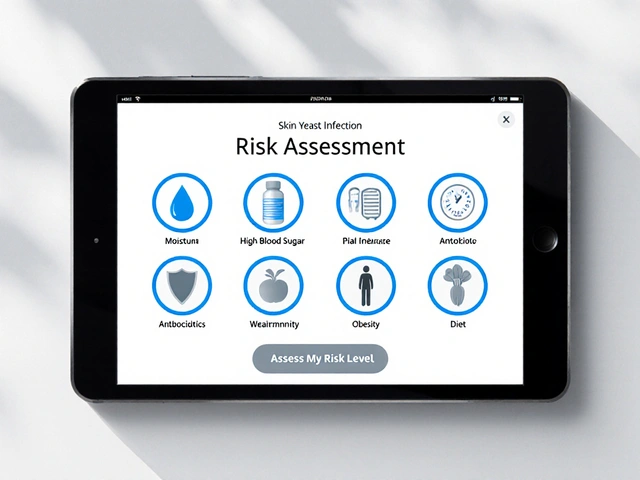
Learn practical steps to prevent skin yeast infections, from hygiene and clothing tips to diet and early detection, plus when to seek medical help.
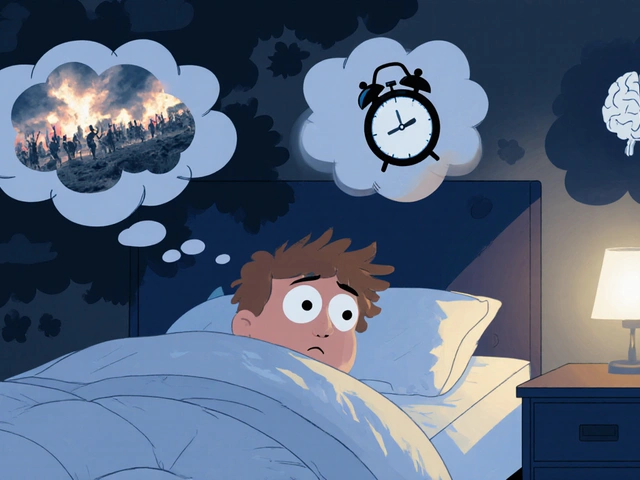
Explore how PTSD and sleep disorders influence each other, the most common sleep problems in trauma survivors, and evidence‑based treatments that restore restful nights.

Learn fast, safe ways to purchase cheap generic Bactrim online, compare prices, spot legit pharmacies, and avoid common pitfalls.