
When a red, bumpy rash shows up around your mouth—sometimes spreading to your nose or eyes—it’s often not acne, not allergies, but perioral dermatitis, a common inflammatory skin condition that mimics acne but doesn’t respond to typical acne treatments. Also known as steroid-induced dermatitis, it’s not contagious, but it’s frustratingly persistent if you don’t know what’s causing it. Most people think it’s from bad hygiene or eating too much sugar, but the real triggers are hidden in your daily routine.
The biggest trigger? topical steroids, even mild over-the-counter hydrocortisone creams used for eczema or irritation. People apply them to calm redness, but within days or weeks, the skin rebounds worse than before. Another major cause is fluoridated toothpaste, especially when you rub it near your lips or lick your fingers after brushing. Many don’t realize fluoride can irritate the skin barrier around the mouth. Then there are heavy moisturizers, oil-based face creams, and even sunscreen formulas with dimethicone or petrolatum. These create a film that traps bacteria and disrupts your skin’s natural balance.
It’s not just what you put on your face—it’s what you’re not removing. Makeup, especially long-wear foundations and primers, can clog pores around the mouth if not washed off thoroughly. Even excessive washing with harsh cleansers can strip your skin and make things worse. Some people develop it after starting new supplements like biotin or after switching birth control pills. Stress and hormonal shifts play a role too, but they’re usually the background noise, not the main cause.
If you’ve tried every acne treatment and nothing works, you’re probably dealing with perioral dermatitis. The good news? It clears up fast once you stop the triggers. No antibiotics needed in many cases. Just ditch the steroid creams, switch to a non-fluoride toothpaste, and simplify your skincare to water and a gentle cleanser. Your skin will thank you.
Below, you’ll find real-world guides on how to identify the exact product or habit causing your rash, how to rebuild your skin barrier safely, and what to avoid when your skin is healing. No guesswork. No fluff. Just what works.
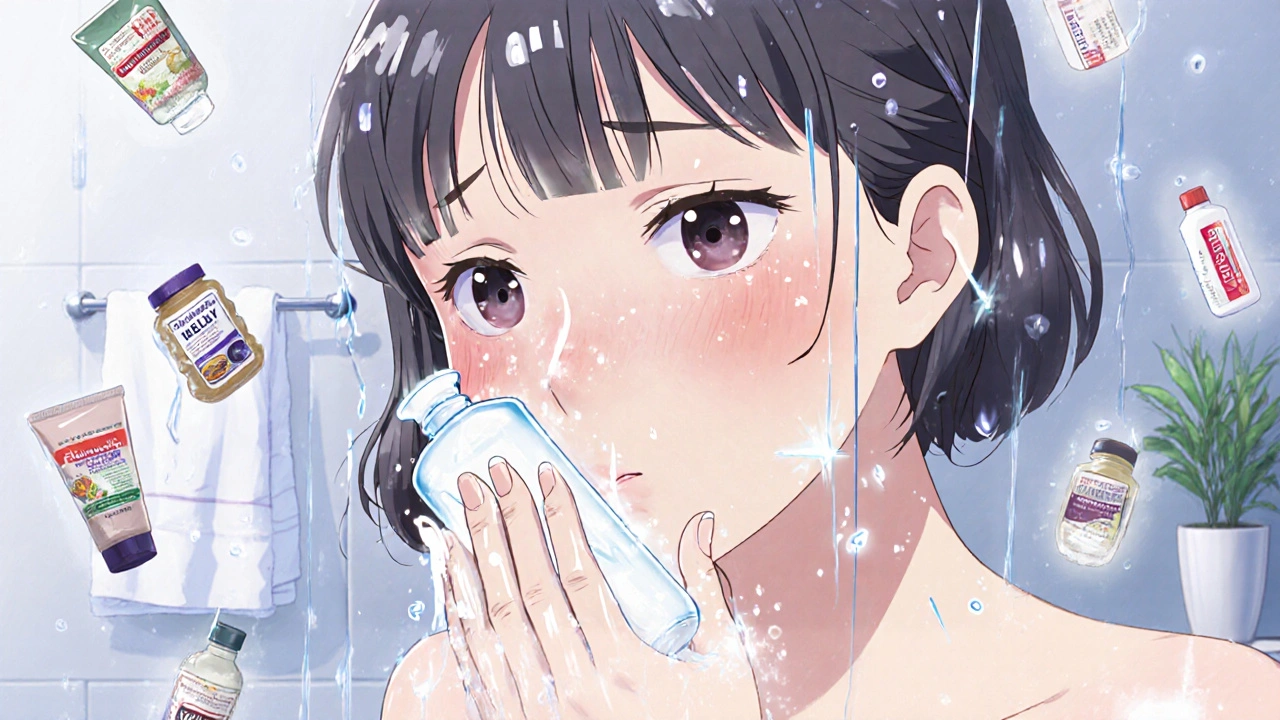
Perioral dermatitis is a stubborn facial rash often triggered by steroids, moisturizers, and toothpaste. Learn the real causes, what to avoid, and how to rebuild your skin with a gentle, evidence-based routine.

Thyroid cancer is highly treatable, with most patients living normal lives. Learn about the main types-papillary, follicular, medullary, and anaplastic-and how radioactive iodine therapy and thyroidectomy are used to treat them. Understand when treatment is necessary and what to expect after surgery.
In my latest blog, I explored the incredible benefits of the mighty hibiscus flower. This natural wonder is more than just a pretty bloom, it's packed with nutrients that can boost your health and happiness. From helping to control blood pressure to supporting healthy skin and hair, hibiscus is a true ally in our wellness journey. Moreover, it's a natural mood enhancer, literally adding a touch of joy to our lives. Trust me, you'll want to unlock the power of hibiscus after reading about its amazing attributes.

Partial AUC is a sophisticated pharmacokinetic tool used to assess bioequivalence in complex drug formulations where traditional metrics like Cmax and total AUC fall short. It measures drug exposure during clinically relevant time windows, ensuring generics match brand drugs in both timing and effect.

Explore how fibromyalgia and autoimmune disorders intersect, covering shared symptoms, immune mechanisms, diagnosis tips, treatment overlap, and the latest research findings.
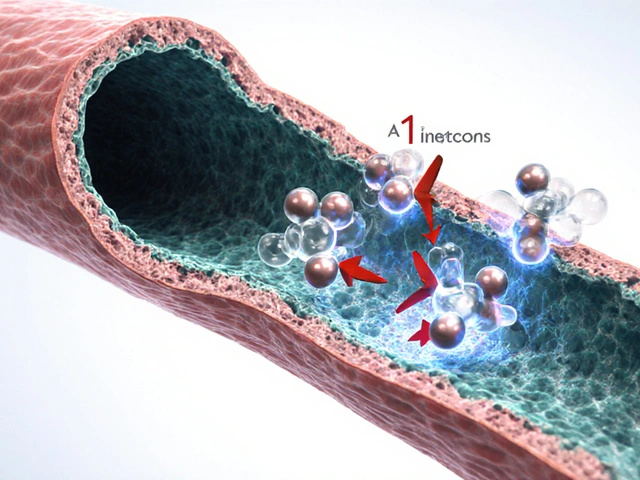
A side‑by‑side look at Benicar (Olmesartan) versus other ARBs, covering efficacy, dosing, side effects, cost, and patient‑focused tips.