
Managing meds and treatments isn’t just about taking a pill on schedule — it’s about staying safe, saving money, and getting the results you need. Use the advice below to keep control of prescriptions, handle switches between drugs, and avoid common online pharmacy traps.
Keep one current medication list. Write down drug names (brand and generic), doses, how often you take them, and why. Share that list with every clinician or pharmacist you see — it prevents duplicate therapy and dangerous interactions. Use a pillbox or phone alarms to avoid missed doses, and keep a short symptom diary when you start a new medicine so you can spot side effects early.
Be proactive about storage and expiration. Store meds as the label says (some need refrigeration), and toss anything past its expiry. For controlled drugs or potent pills, use a locked container if there are children or visitors in the house. For older adults or people on many drugs, a weekly pill organizer cuts mistakes fast.
If you’re switching medicines — for example, moving from one inhaler to another or changing antidepressants — ask your prescriber about dose conversion, overlap, and monitoring. Some switches need a taper period or prior authorization from insurance. Keep notes on what your provider told you so pharmacy staff can help if questions come up.
Buying meds online can save money but needs caution. Always use pharmacies that require a prescription, show clear contact info, use HTTPS, and have independent reviews. Avoid sites that sell prescription drugs without a script or that pressure you with suspiciously low prices. When ordering, check packaging on arrival, confirm lot numbers if you suspect counterfeit, and refuse packages that look altered.
Look into cheaper but safe options: generics, therapeutic alternatives, or authorized pharmacy programs. Compare prices — some online pharmacies beat local stores, but factor in shipping and delivery time. If cost is the problem, talk to your provider about samples, switching to a lower-cost equivalent, or using patient assistance programs.
Watch for interactions. Use a reputable interaction checker or ask a pharmacist whenever you add a new drug, supplement, or OTC medicine. Even common supplements like magnesium or valerian can change how a prescription works. If you notice sudden dizziness, breathing issues, rash, or chest pain after a new drug, stop it and contact a clinician right away.
Finally, use resources that explain practical steps. Our guides cover buying safely online, switching inhalers, finding drug alternatives, and cost comparisons between online and local pharmacies. Read one focused guide when you face a change — it saves time and prevents mistakes.
Want targeted help? Start with a short medication list, call your pharmacist with one specific question, and read one Exact-Pharma guide that matches your need — you’ll manage treatment smarter without the guesswork.

In my latest blog post, I discussed the crucial role of cycloserine in managing multidrug-resistant tuberculosis (MDR-TB). Cycloserine, an antibiotic, has become increasingly important in the treatment of MDR-TB, especially when other first-line medications are ineffective. This is because it targets the bacteria causing TB in a different way, thus overcoming resistance. However, it's essential to use cycloserine in combination with other antibiotics to ensure maximum effectiveness and minimize the risk of further resistance. Overall, cycloserine plays a vital role in the fight against MDR-TB, and ongoing research is crucial to optimize its use and develop new treatments.

Explore how PTSD and sleep disorders influence each other, the most common sleep problems in trauma survivors, and evidence‑based treatments that restore restful nights.
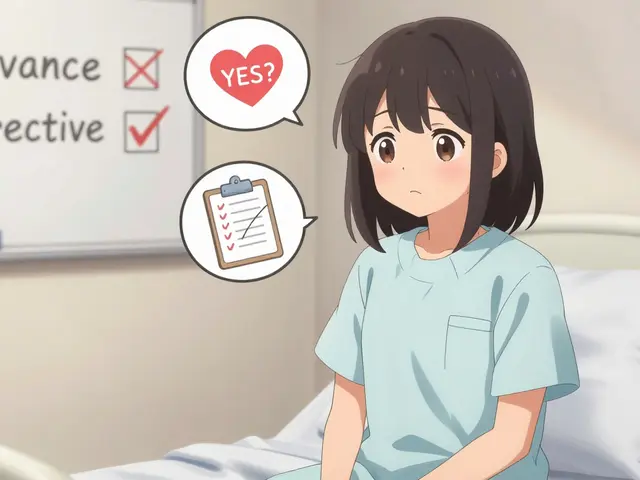
Affirmative consent laws don't apply to medical decisions. Learn how real patient permission works through informed consent and substituted judgment when you can't speak for yourself.

Hi there, gentlemen! In today's blog post, we're going to tackle some of the most common myths and misconceptions surrounding high uric acid levels and gout. I bet you've heard many of them before, but rest assured, our aim is to debunk these myths and arm you with the facts. Let's navigate this journey together, separating fact from fiction when it comes to your health.

Learn which heartburn medications are safe during pregnancy, including antacids like Tums, H2 blockers like Pepcid, and PPIs like Prilosec. Find out what to avoid and how to manage symptoms naturally.

Psoriatic arthritis links skin psoriasis with joint pain and swelling. Learn the key signs like dactylitis and nail changes, how it differs from rheumatoid arthritis, and the latest treatments that can prevent joint damage.