
When your body doesn’t have enough potassium, a vital mineral that helps nerves and muscles work, including your heart. Also known as low potassium, it’s not just a lab number—it’s a condition that can make you feel tired, weak, or even cause your heart to beat irregularly. Hypokalemia shows up when potassium drops below 3.5 mmol/L. It’s common, often overlooked, and usually tied to something you’re already doing—like taking diuretics, vomiting, or not eating enough fruits and vegetables.
Potassium doesn’t work alone. It’s part of a bigger system called electrolyte balance, the delicate mix of minerals like sodium, magnesium, and chloride that control fluid shifts and nerve signals in your body. When one drops, others often shift too. For example, people on long-term diuretics, medications that make you pee more to reduce fluid buildup—like furosemide or hydrochlorothiazide—frequently develop hypokalemia because their kidneys flush out too much potassium. Even if you’re not on meds, chronic diarrhea, excessive sweating, or eating disorders can drain potassium fast. And if you’re on levothyroxine, a thyroid hormone replacement, uncontrolled thyroid levels can also pull potassium into your cells, lowering blood levels.
Most people don’t realize they have low potassium until they feel something off—muscle cramps, constipation, palpitations, or sudden weakness. In severe cases, it can trigger dangerous heart rhythms. But here’s the thing: fixing it isn’t always about popping a potassium pill. Sometimes it’s about stopping a medication, adjusting your diet, or treating an underlying issue like kidney disease or adrenal problems. The posts below cover real cases: how certain drugs like diuretics or antibiotics can trigger it, why some people need potassium supplements while others need to avoid them, and how conditions like hyponatremia, low sodium, often appear alongside it. You’ll also find advice on what foods actually help, how to safely take supplements without overdosing, and why some treatments fail because they don’t address the root cause.

Learn how to safely manage diuretics in heart failure patients to prevent dangerous low potassium levels. Practical tips on monitoring, supplements, medications, and lifestyle changes to reduce arrhythmia risk.
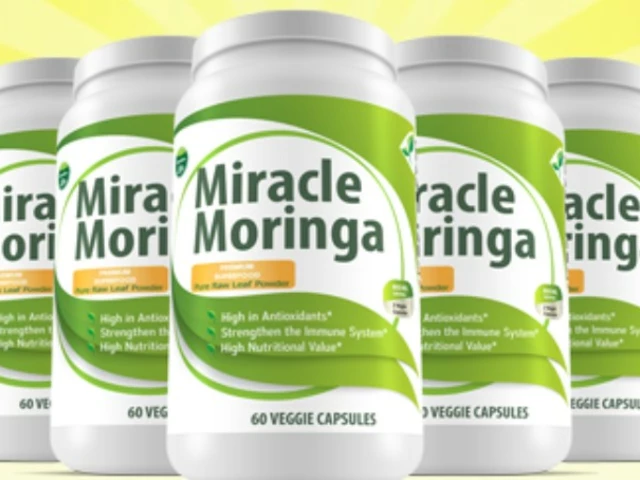
I recently came across an incredible dietary supplement called Moringa, and I just had to share its amazing benefits with you all. This nutrient-packed plant is transforming lives and improving health in numerous ways. Rich in vitamins, minerals, and amino acids, Moringa has been known to boost energy, improve digestion, and even support a healthy immune system. It's no wonder that it's gaining popularity as a superfood! If you're looking for a natural way to enhance your overall well-being, you might want to consider giving Moringa a try.

Practical guide to using exercise to protect your liver with chronic hepatitis B-safe intensity, weekly plans, red flags, and what the science actually says.
Curious which over-the-counter options stack up against amoxicillin? This article explores 10 OTC antibiotics or drugstore products with similar effects, comparing their efficacy and use. You’ll find interesting facts, tips on choosing the right alternative, and practical stats, all structured for clarity. Get ready for an in-depth, honest look at how drugstore meds measure up to this popular prescription antibiotic. From hidden risks to smart ways to shop, this guide covers what you need before making a decision.

Explore how fibromyalgia and autoimmune disorders intersect, covering shared symptoms, immune mechanisms, diagnosis tips, treatment overlap, and the latest research findings.

Discover 10 alternatives to Ziphealth.co that provide a wide range of online pharmacy and healthcare services. From men's and women's health to specialized subscriptions, these options offer convenience and accessibility. Explore the pros and cons of each to find the perfect fit for your telehealth needs. Whether it's prescriptions or fitness subscriptions, there's a solution for everyone.