
Did you know people with HIV who maintain an undetectable viral load cannot sexually transmit the virus? That fact changes how we think about prevention, testing, and life with HIV. This page gives clear, practical steps you can use today — whether you’re protecting yourself, supporting a friend, or managing your own health.
Start with testing. A quick blood or oral test tells you your status. Get tested if you’ve had unprotected sex, shared needles, or are starting a new relationship. Many clinics, community centers, and pharmacies offer free or low-cost testing — some even provide same-day results. If a test is positive, confirm with a follow-up test and see a clinician right away.
PrEP (pre-exposure prophylaxis) is a daily pill that prevents HIV when taken as prescribed. PEP (post-exposure prophylaxis) must start within 72 hours after a possible exposure and is taken for 28 days. Condoms still work well for reducing risk and protect against other STIs. Combine methods when possible — that’s the smartest approach.
If you test positive, antiretroviral therapy (ART) is the first step. Modern ART can drop the virus to undetectable levels within months. Take meds exactly as prescribed. Missed doses make resistance more likely. Regular blood tests monitor viral load and overall health.
Looking for meds online? Be cautious. Use verified pharmacies that require a prescription and show clear contact info. Our site covers tips for spotting scams, verifying licenses, and getting discreet delivery. Cheap drugs from unknown sellers can be fake or unsafe. If cost is an issue, ask your clinic about assistance programs, generics, and patient assistance from manufacturers.
Stigma and Daily Life
HIV is a medical condition, not a moral failing. People living with HIV go to work, have relationships, and raise families. If you’re supporting someone, listen without judgment, help them keep appointments, and remind them about medication. Confidentiality matters — don’t share someone’s status without permission.
Practical next steps
Get tested at least once; test more often if you have new partners. Ask your clinician about PrEP if you’re at risk. Start treatment immediately after a positive test and stick with it. Use only licensed pharmacies and check for prescription requirements. Find local support groups and online communities for shared experiences.
Travel and family planning bring special steps. People with HIV can have safe pregnancies when they stay on treatment — doctors can prevent mother-to-child transmission. For travel, carry a prescription letter, keep meds in your carry-on, and check rules for controlled substances. Keep up with vaccines like hepatitis A/B, HPV, and annual flu shots. Many clinics offer anonymous testing and sliding-scale fees. If cost or access is a worry, ask about patient assistance programs, public benefits, or local community health centers.
If you need a quick resource, visit public health websites or contact local clinics for testing locations and treatment help. For medical questions about prevention or medications, talk to a healthcare provider — this page helps you act, but a clinician tailors care to you.
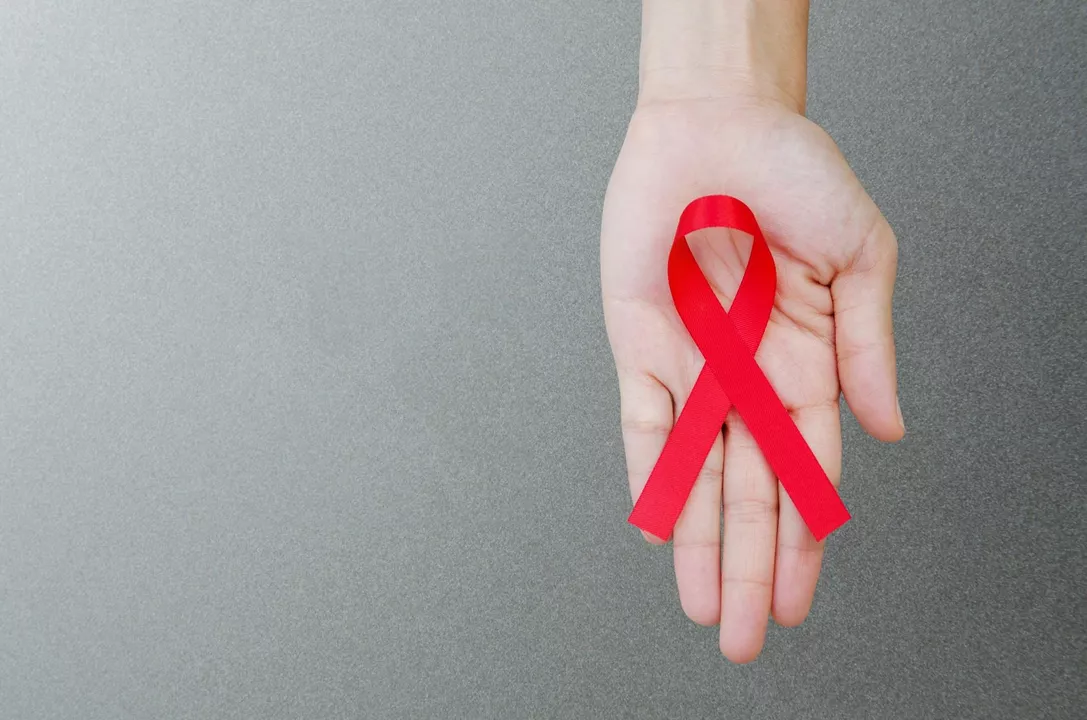
In my latest blog post, I discuss the importance of community outreach in promoting HIV awareness and prevention, with a focus on the antiretroviral drug Atazanavir. As a key player in the fight against HIV, Atazanavir has been proven effective in suppressing the virus and improving patients' quality of life. By educating our community about this medication, we can empower people living with HIV and help prevent the spread of the virus. Additionally, I explore various community outreach strategies and tools that can be implemented to raise awareness and encourage prevention. Join me in spreading the word to help create a healthier, more informed society.

Ciclopirox is no longer just a nail fungus treatment. New research shows promise in cancer, antibiotic-resistant infections, and advanced topical delivery - making it one of the most surprising drug repurposing stories of 2025.
Metformin extended-release (XR) reduces gastrointestinal side effects like diarrhea and nausea compared to immediate-release (IR) in most patients. Learn how the two forms differ, what the data shows, and which one may be right for you.

Learn why precise diagnosis of skin yeast infections is crucial, how to spot symptoms, use proper tests, and choose the right treatment to avoid complications.
States use Preferred Drug Lists, pharmacist substitution rules, and copay differences to push generic drug use. These policies save billions without compromising care - but unintended rebate rules are putting some generics at risk.

Learn how to verify if your medicine is real using official tools like EU FMD and U.S. DSCSA systems. Spot counterfeit drugs and protect yourself with proven methods and expert tips.