
Hives (urticaria) show up fast — itchy red welts that can ruin your day. If food seems to spark your hives, knowing which foods usually cause reactions and which are safer can make eating less stressful. Below I’ll list common triggers, explain histamine-related issues, and give practical swaps and tips you can use right away.
Shellfish, peanuts, tree nuts, eggs, and cow’s milk are top culprits for immediate allergic hives. These cause an immune response in people with true food allergies. If your hives come with throat tightness, wheeze, fainting, or swelling of the face, treat it like a serious allergy and get emergency help.
Some people get hives from non-allergic food reactions. Foods high in histamine or that release histamine can cause or worsen hives for sensitive people. Examples include aged cheeses, smoked or cured meats, fermented foods (sauerkraut, kimchi), wine, beer, and canned tuna. Other offenders are tomatoes, strawberries, citrus fruits, and certain spices. Processed foods with additives like sulfites, benzoates, or artificial colorings can also trigger reactions.
Start with a simple food diary. Write what you eat and when hives appear. Patterns often show up after a few weeks. If you suspect a specific food, try a short elimination (under a doctor’s guidance) and then reintroduce it slowly to confirm.
For swaps: choose fresh meats and freshly cooked fish instead of smoked or canned fish. Pick plain yogurt instead of aged cheese, and fresh vegetables over fermented ones. If you react to tomatoes or citrus, try steamed green beans, zucchini, or cooked carrots as low‑risk vegetable choices. For snacks, plain rice cakes or unsalted popcorn beat processed chips with additives.
When eating out, ask how food is prepared and request no cross-contact with allergens. Read labels carefully—ingredients like "natural flavors" can hide triggers. Choose foods with short ingredient lists and avoid long-shelf-life packaged products when possible.
If histamine seems to be the issue, keeping food fresh helps: eat fresh meat and fish within a day or two, avoid leftovers that sit in the fridge for days, and limit aged or fermented items. Alcohol and hot spicy foods can make histamine reactions worse, so reduce or avoid them during flare-ups.
Over-the-counter antihistamines often help control itching and reduce hives. If hives are frequent, long-lasting, or severe, see an allergist or your primary care doctor. They can run tests, suggest a guided elimination diet, or offer treatments like prescription antihistamines or other options. If you have signs of anaphylaxis, use emergency services immediately.
Food-related hives can be managed with a mix of careful food choices, label reading, and medical advice. Small changes—fresh food, simple swaps, and a food diary—go a long way toward fewer flare-ups and more confidence at the table.

Managing hives can be challenging, but your diet plays a significant role in alleviating symptoms. By strategically including or excluding certain foods, you can potentially experience relief and keep outbreaks under control. Learn which foods to avoid and which to consume to help manage hives effectively.
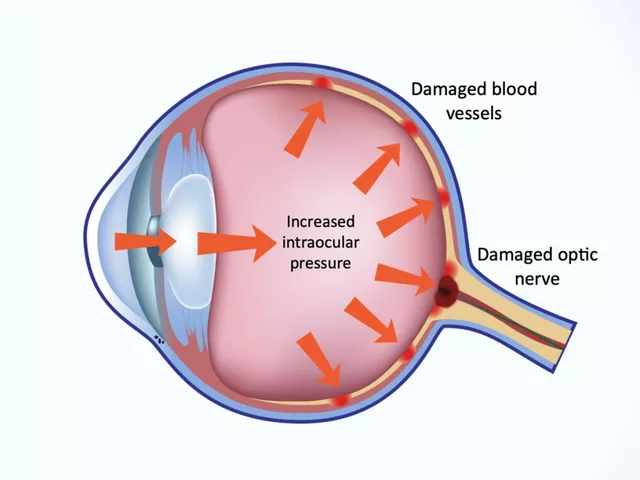
In a recent blog post, I discussed the link between high eye pressure and glaucoma, a potentially blinding eye disease. I learned that high eye pressure, also known as ocular hypertension, can damage the optic nerve and lead to glaucoma. It's important to have regular eye exams to detect any changes in eye pressure early on. While not everyone with high eye pressure will develop glaucoma, it is still a significant risk factor. Therefore, it's essential to be proactive in managing eye pressure and maintaining overall eye health.

Finding the right online pharmacy can be overwhelming, especially with so many choices available. This article explores eight alternatives to CVS.com, each offering unique services and benefits. From major retailers like Walgreens and Target to online giants like Amazon Pharmacy, discover which option best suits your needs. We also dive into niche services like Capsule and Costco, weighing their pros and cons to help you make an informed decision.

Want tretinoin without the runaround? Learn how to buy it online legally in 2025, best places by country, real prices, step-by-step, and red flags to avoid fakes.

A clear, side‑by‑side comparison of Lamictal dispersible (lamotrigine) with top mood‑stabilizer alternatives, covering efficacy, side effects, pregnancy safety, and how to pick the best option.

As a blogger, I recently delved into the fascinating connection between hyperthyroidism and high blood pressure. I discovered that hyperthyroidism, a condition where the thyroid gland produces too much thyroid hormone, can actually lead to high blood pressure, also known as hypertension. This occurs because an excess of thyroid hormone can cause blood vessels to constrict, leading to increased pressure within the vessels. It's important to recognize and treat both conditions to prevent serious complications such as heart disease or stroke. Stay tuned for my full blog post where I'll share more information on this critical health issue and potential treatment options.