
When someone has a stroke, the focus often turns to walking, talking, or moving an arm again. But the hardest part for many isn’t the physical loss—it’s the emotional crash that follows. Emotional recovery from stroke, the process of regaining mental and emotional balance after brain damage from a stroke. Also known as psychological rehabilitation after cerebrovascular event, it’s not optional—it’s essential for true healing. A stroke doesn’t just damage neurons; it rewires how you feel, think, and respond to the world. Many people suddenly feel angry for no reason, cry without warning, or lose interest in everything they once loved. That’s not laziness or weakness. That’s the brain trying to reboot after trauma.
This kind of emotional shift is common. Up to one in three stroke survivors develop stroke depression, a persistent low mood caused by brain changes, not just sadness over disability. Others struggle with post-stroke anxiety, constant fear of another stroke, panic in crowds, or dread of being alone. These aren’t just "bad days." They’re neurological side effects, like a broken leg but inside the mind. And just like you wouldn’t ignore a broken leg, you can’t ignore a broken emotional state. Support groups, therapy, and sometimes medication help—because recovery isn’t just about strength in your legs, but calm in your chest.
What makes emotional recovery different from physical rehab? It’s invisible. No one sees your tears at 3 a.m. or the way you avoid friends because you’re scared you’ll say something wrong. But it’s real. And it’s treatable. The people who heal emotionally after stroke aren’t the ones who never felt broken—they’re the ones who asked for help. They talked to therapists who understood brain injury, not just mental health. They found others who knew what it felt like to lose their old self and still fight to find a new one. They learned that healing doesn’t mean going back to how things were. It means building something new, even if it’s smaller, quieter, or different.
Below, you’ll find real stories and practical advice from people who’ve been through this. You’ll see how medication, therapy, and daily habits make a difference—not because they’re magic, but because they work with the brain, not against it. Whether you’re a survivor, a caregiver, or just trying to understand, these posts give you what you need: no fluff, no platitudes, just clear, honest paths forward.

Support groups help stroke survivors and their families cope with emotional recovery, reduce isolation, and improve long-term outcomes. Real stories and science show why connection matters as much as therapy.
Learn how to identify authorized generics by checking packaging, NDC codes, and labeling. Understand why they're identical to brand drugs but cheaper, and how to confirm you're getting the real thing.

Learn fast, safe ways to purchase cheap generic Bactrim online, compare prices, spot legit pharmacies, and avoid common pitfalls.
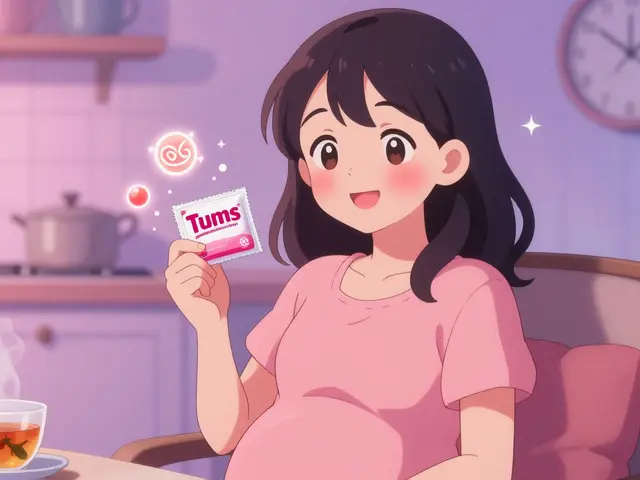
Learn which heartburn medications are safe during pregnancy, including antacids like Tums, H2 blockers like Pepcid, and PPIs like Prilosec. Find out what to avoid and how to manage symptoms naturally.
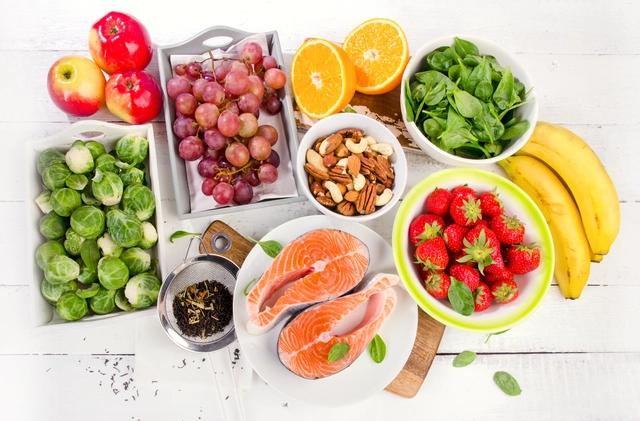
I recently discovered the incredible detoxifying effects of grapefruit dietary supplements and I'm amazed by the results! These supplements have not only helped me feel more energized, but also improved my digestion and overall health. I highly recommend giving grapefruit dietary supplements a try if you're looking to cleanse your body and boost your well-being. It's definitely a game changer in my daily routine. Don't miss out on experiencing these amazing benefits for yourself!
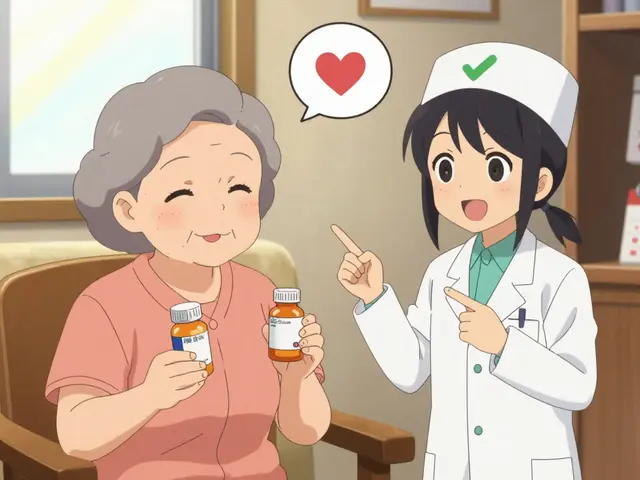
Elderly patients often switch to generic medications to save money, but age-related changes in the body and low health literacy can affect safety and adherence. Learn which drugs need caution, how to monitor for side effects, and what questions to ask your doctor.