
When your body reacts badly to a medicine, it’s not always just a rash or a stomachache. An emergency drug reaction, a sudden, potentially life-threatening response to a medication that requires immediate medical attention. Also known as acute drug hypersensitivity, it can turn a routine pill into a crisis in minutes. This isn’t rare—thousands of people end up in emergency rooms every year because they didn’t recognize the warning signs until it was too late.
These reactions often involve your immune system going into overdrive. One of the most dangerous forms is anaphylaxis, a severe, whole-body allergic reaction that can block airways and crash blood pressure. It can happen with antibiotics like penicillin, painkillers like aspirin or ibuprofen, or even vaccines. But it’s not just allergies—some reactions are toxic, not allergic. Think of drug-induced liver injury, when a common medication like acetaminophen damages the liver at normal doses in sensitive people. Or Stevens-Johnson syndrome, a terrifying skin reaction often triggered by seizure meds or antibiotics that causes blisters and peeling skin. These aren’t "side effects" you can ignore. They’re red flags.
What makes this even trickier is that you might not know you’re at risk until it happens. Someone could take the same drug for years with no problem—and then suddenly react. Family history matters. So does past reactions. If you’ve had a bad response to one drug, you might be more likely to react to others in the same class. That’s why keeping a written list of every medicine that ever made you sick is one of the smartest things you can do. Tell every doctor, every pharmacist, every ER nurse. Write it on your phone. Put it in your wallet.
And it’s not just about the drug itself. Sometimes it’s how it’s mixed. A common painkiller with an antibiotic? A supplement with your blood pressure pill? These combinations don’t always show up on labels. That’s why emergency drug reaction isn’t just about the pill you take—it’s about everything else you’re taking with it. Pharmacists can spot these risks before you even walk out the door. Don’t be afraid to ask: "Could this mix with anything else I’m on?"
What you’ll find below are real stories and straight facts about how these reactions happen, who’s most at risk, and what to do when things go wrong. You’ll learn how to spot the early signs—before swelling, before trouble breathing, before collapse. You’ll see how people have survived because they acted fast. And you’ll find out which medications are most often linked to these crises, so you can ask smarter questions and stay one step ahead.

Severe drug reactions can be deadly. Know the warning signs-like trouble breathing, skin peeling, or swelling-and act fast. Epinephrine saves lives in anaphylaxis. Delaying help can cost you yours.

Navigating exercise with an overactive bladder can be tricky, but you don’t have to give up being active. This article breaks down how movement affects OAB, which types of workouts actually help, and what to avoid if you want to prevent leaks or accidents. Get practical tips on managing symptoms before, during, and after exercise, plus advice for building confidence when trying new routines. Say goodbye to embarrassment and uncertainty—everything here is designed for people ready to be active on their terms.

Discover how support groups boost emotional health, practical coping, and quality of life for relapsing‑remitting disease patients, with tips on finding the right community.
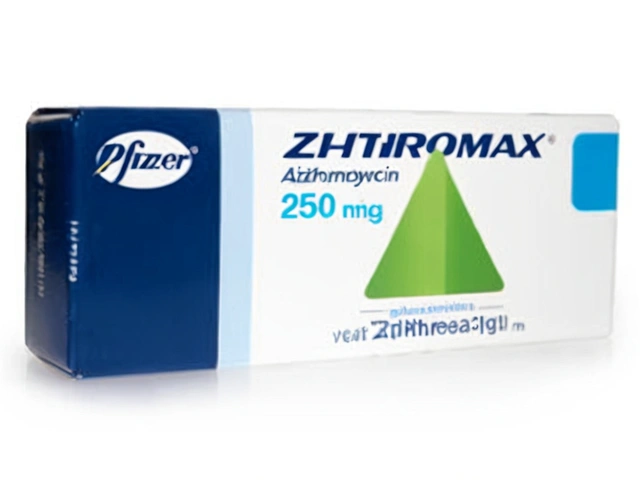
An in-depth look into the severe side effects of the antibiotic Zithromax (Z-Pak) and the legal actions against Pfizer Inc. Over-prescription risks, patient reports of severe health issues, and legal options for affected individuals are discussed.

Trying to reach getroids1.net? Here’s how to find the site safely, check if it’s legit, understand Canadian law on steroids in 2025, and what to do if you already ordered.
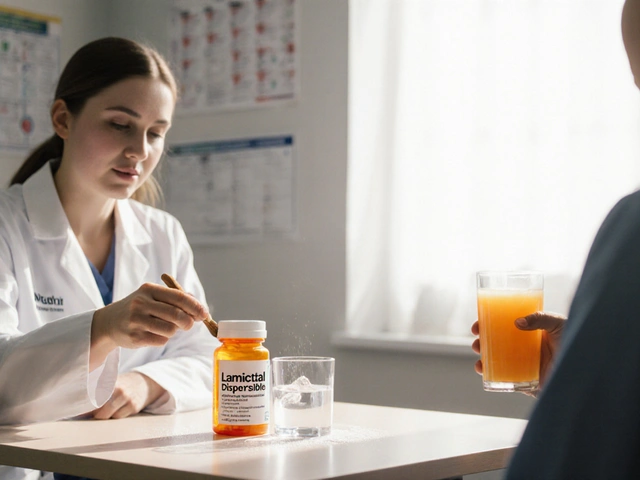
A clear, side‑by‑side comparison of Lamictal dispersible (lamotrigine) with top mood‑stabilizer alternatives, covering efficacy, side effects, pregnancy safety, and how to pick the best option.