
Want medication delivered without big labels, intrusive calls, or awkward pickup lines? Discreet pharmacies offer private packaging and quiet service — but privacy shouldn’t mean risking your safety. Here’s a clear checklist so you can keep things private and legit.
Start by checking basic credentials. A real pharmacy lists a physical address, phone number, and a licensed pharmacist you can actually reach. Look for official seals or membership in groups like VIPPS (US) or CIPA (Canada) and verify those badges on the issuer’s site.
Always require a prescription. If a site sells prescription meds without asking for one, walk away. Also check for HTTPS (a padlock in the browser), clear return and privacy policies, and a visible cookie or data policy. Scant site info, nonexistent support, or prices that are dramatically lower than everywhere else are red flags.
Read recent reviews from multiple places — not just the site’s testimonials. Search forums, review sites, and social media for real user reports about delivery speed, packaging, and how the company handled problems.
Ask about packaging before you order. Legit pharmacies offer plain, unbranded boxes and discreet labels on request. They’ll also provide tracking and a delivery window so you don’t have packages sitting out in public. If you worry about customs or local rules, check your country’s import limits and rules before you buy.
Choose secure payment options. Credit cards and reputable payment gateways give dispute protections. Some people prefer PayPal or prepaid cards for extra privacy. Cryptocurrencies are sometimes accepted for anonymity, but they carry risk and usually offer no buyer protection.
Use a private email and avoid sharing extra personal details beyond what’s needed for the order. If you want extra privacy, use a PO box or parcel locker for delivery. Remember: asking a neighbor to sign for controlled drugs may be illegal in some places, so check the pharmacy’s signature and ID rules.
Keep an eye on communication. A trustworthy discreet pharmacy will still offer pharmacist consultations by phone or chat. If you can’t talk to a pharmacist, don’t ignore that — it’s a sign the site may not be following safety rules.
Finally, know local laws. Some meds can’t be imported or require specific paperwork. Ordering across borders can trigger customs delays or returns. When in doubt, ask the pharmacy about legal compliance and documentation they provide.
Privacy and safety can go together. Verify credentials, demand prescription checks, choose plain packaging, and use secure payments. Do those things and you’ll reduce risk while keeping your orders private.

Explore how sex-pharm24.com works, discover safe ordering, real product quality, and tips for discreet, secure pharmacy delivery. All you need to know in one guide.

Learn how vitamin D influences thyroid deficiency, how to test levels, proper dosing, safety tips, and monitoring for better thyroid health.
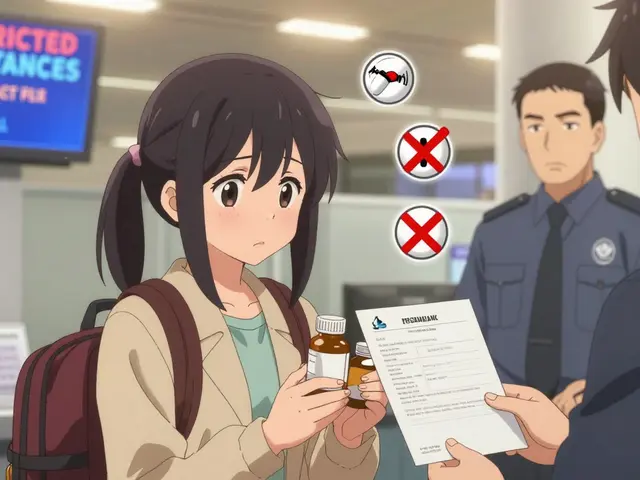
Learn how to safely carry and refill medications abroad, avoid legal trouble, and get local prescriptions when traveling. Essential tips for travelers with chronic conditions, mental health meds, or pain management needs.
Generic drugs are approved without new safety trials, making post-market surveillance critical. Learn how the FDA tracks adverse events, why quality issues arise, and what patients and providers can do to ensure ongoing safety.

Get the lowdown on Zyprexa, a medication widely used for serious mental health conditions like schizophrenia and bipolar disorder. This deep dive covers how it works, what to expect, tips for handling side effects, and real-life facts you won't find on drug labels. Whether you're navigating a new diagnosis or supporting someone who takes Zyprexa, you'll find practical advice and clear info right here.
Why do cheaper drugs seem less effective? Research shows price affects perception, not actual efficacy. Learn how psychology, FDA standards, and doctor communication shape drug choices.