
Want to know which advances matter for your blood sugar and which are just hype? Recent diabetes research is focused on two things that touch daily life: better medicines that help weight and glucose, and connected tech that makes treatment less guesswork. I’ll break down what’s useful, what to watch, and how to stay safe when getting medications or trying new tools.
GLP‑1 receptor agonists (like semaglutide) and newer drugs such as tirzepatide are changing the game. They lower A1c and often lead to weight loss, which helps many people with type 2 diabetes. SGLT2 inhibitors (empagliflozin, dapagliflozin) reduce heart and kidney risks on top of lowering glucose. If your doctor mentions these, ask how they fit with your heart and kidney health—those benefits matter beyond numbers on a lab report.
Researchers are also testing therapies aimed at preserving or restoring beta‑cell function (the cells that make insulin). That’s big for early type 1 and some type 2 cases, but these approaches are still mostly in trials. If you see headlines about “cures,” treat them cautiously—real-world use takes time and more testing.
Continuous glucose monitors (CGMs) and hybrid closed‑loop insulin systems are now practical for many people. CGMs give real‑time trends so you can fix highs and lows before they become problems. Closed‑loop pumps automate insulin delivery and reduce daily burden for people on insulin. These tools don’t replace learning how foods, stress, and activity affect you, but they make adjustments faster and safer.
Trials also test digital coaching, personalized nutrition algorithms, and remote care models. The best results come when tech is paired with good coaching—devices provide data, people make better choices with it.
How do you read a diabetes study? Look for who paid for it, how many people were in the trial, how long it ran, and what exactly was measured (A1c, weight, heart events, kidney outcomes). Small, short studies show promise; large, long trials show whether a treatment really helps patients live better and longer.
One practical tip: ask your clinician if a new drug or device has proven benefits for outcomes that matter to you—fewer hypos, less time above range, fewer hospital visits—not just better lab numbers.
Finally, if you order meds online, be careful. Use licensed pharmacies, require prescriptions, check reviews, and avoid deals that look too good. Scams can sell wrong doses or counterfeit drugs. If you’re unsure, ask your pharmacist to confirm the product and packaging.
New diabetes research brings real options: better medicines, smarter tech, and more personalized care. Talk to your provider about whether a new drug, device, or trial fits your goals, and always verify where your medicines come from before you buy.
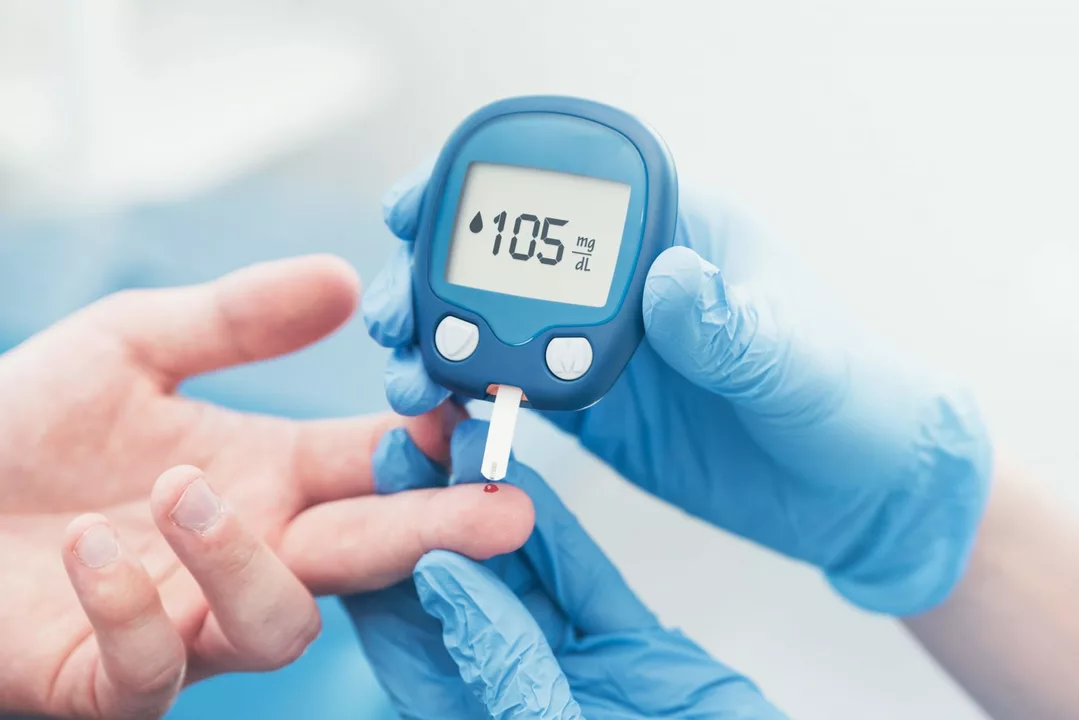
As a blogger, I cannot stress enough the importance of diabetes research and advancements. These continuous efforts not only help in understanding this complex disease better, but also pave the way for newer, more effective treatment options. The ultimate goal is to improve the quality of life for millions of people affected by diabetes worldwide. Additionally, this research can potentially lead to a cure or prevention strategies, saving countless lives in the future. I truly believe that supporting diabetes research and advancements is our collective responsibility, as it can bring about significant positive change in the lives of those affected.

A clear, side‑by‑side comparison of Lamictal dispersible (lamotrigine) with top mood‑stabilizer alternatives, covering efficacy, side effects, pregnancy safety, and how to pick the best option.
Learn how to set up a simple, effective system to track medication costs and get automatic refill alerts-without expensive tools or complex software. Save money and avoid dangerous gaps in treatment.

Vaccine generics don't exist like drug generics-complex manufacturing, supply chains, and profit-driven systems keep low-income countries dependent on imports. Here's why global vaccine access remains unequal.
Folic acid is common in supplements, but many people can't process it. Learn how methylfolate, folate, and folinic acid work better for energy, mood, and pregnancy-especially if you have MTHFR gene variants.

Support groups help stroke survivors and their families cope with emotional recovery, reduce isolation, and improve long-term outcomes. Real stories and science show why connection matters as much as therapy.