
Kids get sick fast and parents need clear, usable advice. This page gives quick, practical tips on giving medicines to children, spotting unsafe products, storing meds, and buying medicine online without risking safety. No jargon — just the steps you can use today.
Always dose by weight when possible. Many pediatric doses use mg per kg. If you don’t know your child’s weight, weigh them or ask a clinic. For common pain and fever medicines: acetaminophen is usually 10–15 mg/kg per dose every 4–6 hours (max 5 doses a day); ibuprofen is roughly 5–10 mg/kg every 6–8 hours. These are examples — check your product label and talk to your pediatrician before using. Use an oral syringe for accuracy; kitchen spoons are unreliable.
Never give adult-strength pills to a child without a doctor’s instruction. Crushing or splitting adult tablets can change how the drug works. For infants and toddlers, stick to liquids or pediatric formulations made for children.
Store meds in a high, locked place, away from heat and moisture. Check expiry dates and throw away old medicine safely. Keep a simple chart in your medicine cabinet: drug name, dose, time given. That stops double-dosing when you’re tired.
Watch for side effects. Rashes, difficulty breathing, severe vomiting, unusual drowsiness, or a seizure need immediate medical care. For high fevers (over 104°F / 40°C), persistent dehydration, or if a child looks much worse than when you started treatment, contact your doctor or urgent care.
Online pharmacies can be cheaper and convenient, but choose carefully. A legitimate pharmacy will ask for a prescription for prescription-only drugs, list a real address and phone number, and have clear contact details for pharmacists. Look for third-party reviews and avoid sites that sell powerful prescription drugs without any paperwork. If a price seems too good to be true, it probably is.
If you must order supplies (like inhalers or allergy meds), confirm shipping times and storage conditions. Some meds need cooling — ask the pharmacy how they handle cold-chain shipping.
Final practical tips: keep a recent list of your child’s allergies and meds in your wallet, review doses with your pediatrician at checkups, and teach older kids why they should never take medicine without an adult. Small steps like these cut errors and keep kids safer when they’re sick.

Solifenacin, a drug mainly used for adult overactive bladder, is sometimes given to children and teens. This article breaks down how safe and effective solifenacin is for younger patients, what side effects families should watch for, and which situations make it a good option. Real-world advice, medical facts, and guidance for caregivers make this a must-read for anyone dealing with pediatric bladder problems.

Hey there awesome parents! Managing spasms in kiddos can be as tricky as solving a Rubik's cube blindfolded, am I right? But don't fret, there are ways to ease those twitching tiny muscles. First off, keeping your child hydrated is as crucial as keeping your plant watered - you don't want either to wither, right? Also, regular stretches are like the secret ingredient in Grandma's pie, they can work wonders! So, next time your little one starts twitching like a breakdancer, remember these tips and know that you've got this under control!

Explore the advantages and drawbacks of congestion pricing, its impact on traffic, emissions, equity, and how cities fund better public transit.

Hi there, gentlemen! In today's blog post, we're going to tackle some of the most common myths and misconceptions surrounding high uric acid levels and gout. I bet you've heard many of them before, but rest assured, our aim is to debunk these myths and arm you with the facts. Let's navigate this journey together, separating fact from fiction when it comes to your health.

Folic acid is common in supplements, but many people can't process it. Learn how methylfolate, folate, and folinic acid work better for energy, mood, and pregnancy-especially if you have MTHFR gene variants.
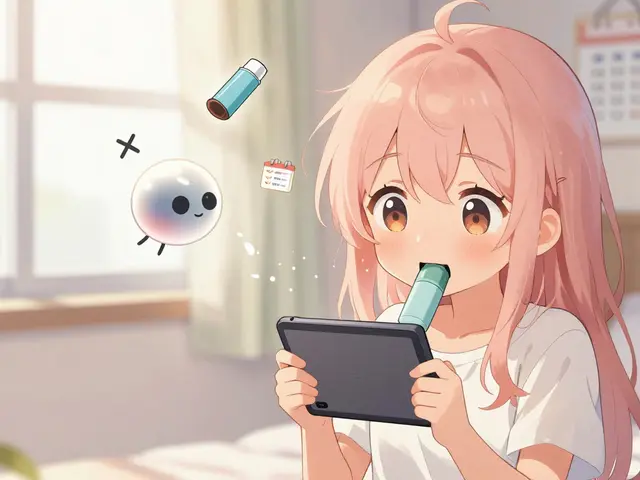
Allergen immunotherapy for asthma offers a long-term solution beyond inhalers. Compare allergy shots and SLIT tablets-how they work, which is more effective, and who benefits most.

Taking Duloxetine can be challenging, but finding support is crucial for managing its side effects and ensuring its effectiveness. To find support, I recommend joining online forums and social media groups dedicated to mental health and Duloxetine users, where you can share experiences and advice. Additionally, talking to friends and family about your medication journey can help you feel less alone and more understood. Don't hesitate to reach out to your healthcare provider for any concerns or questions about Duloxetine. Lastly, consider joining local support groups or therapy sessions to connect with others facing similar challenges.