
High blood pressure often needs a pill—or more than one. If your doctor prescribes medication, you want it to work, cause the fewest side effects, and fit your life. This guide cuts through the noise and gives plain advice on types of drugs, common problems, and what you can do to get better results.
Medications fall into a few main groups. ACE inhibitors (like lisinopril) and ARBs (like losartan) lower pressure by relaxing blood vessels; expect possible cough with ACEs and those drugs aren’t used in pregnancy. Calcium channel blockers (like amlodipine) relax arteries but can cause ankle swelling or constipation. Beta-blockers (like metoprolol) slow the heart—great after heart attacks or for some migraines, but they can make breathing problems worse for people with asthma. Thiazide diuretics (like hydrochlorothiazide) help your kidneys remove salt and water, which lowers pressure but can change potassium or sodium levels. Other options include alpha-blockers and combination pills when one drug isn’t enough.
Take your medicine the same way every day. Set a phone alarm or pair it with a daily habit like brushing teeth. Missing doses or stopping suddenly can spike your blood pressure. If you have to take pills more than once a day, ask your doctor if a once-daily alternative exists—simpler schedules improve adherence.
Check your blood pressure at home. Bring your home readings to appointments so your doctor can see patterns, not just a single clinic number. Keep a list of all drugs, vitamins, and herbal supplements you use—some affect blood pressure or interact with your meds. Cost matters too: many blood pressure drugs have cheap generics; ask about them if price is a problem.
Some common interactions pop up often. NSAIDs (ibuprofen, naproxen) can blunt the effect of many blood pressure drugs. Grapefruit juice interferes with several calcium channel blockers and can raise drug levels. Watch potassium: ACE inhibitors, ARBs, and potassium-sparing diuretics can increase potassium — don’t add potassium supplements without checking bloodwork. If you’re pregnant or planning pregnancy, avoid ACE inhibitors and ARBs and talk to your provider now.
Call your doctor or get immediate care if you notice sudden swelling of the face or throat, fainting, fast heartbeat, severe dizziness, or very high readings (for example, systolic over 180). These are not normal side effects and need prompt attention.
Finally, lifestyle changes matter. Cutting salt, staying active, losing extra weight, and limiting alcohol make medicines work better and sometimes let you take lower doses. If your meds aren’t helping or side effects are bad, don’t stop on your own—talk to your clinician about switching or adjusting combination therapy. Small changes add up, and the right plan keeps your numbers steady and your life normal.
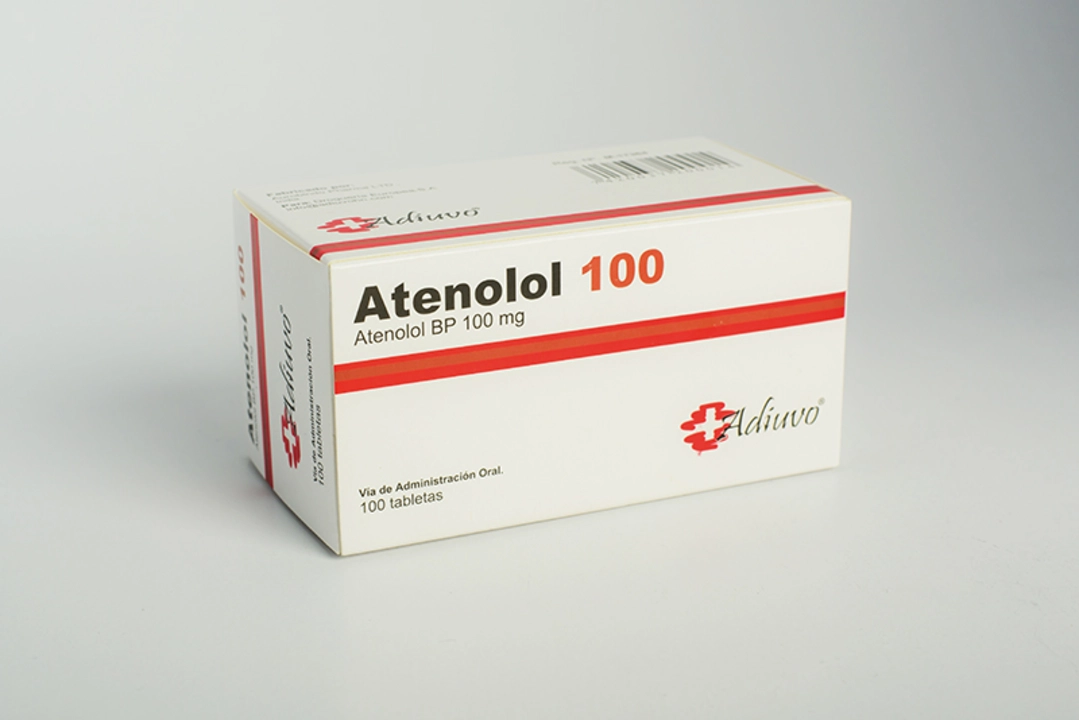
After researching the long-term effects of Atenolol-Chlorthalidone on our health, I've discovered both positive and negative outcomes. This combination medication is primarily used to treat high blood pressure, which can lead to a decreased risk of heart attacks, strokes, and kidney problems. However, long-term use may cause side effects like dizziness, fatigue, and depression. It's essential to work closely with your healthcare provider to find the right balance for your individual needs. Overall, Atenolol-Chlorthalidone can be an effective treatment for high blood pressure, but we need to be mindful of potential side effects over time.

Clomid, known for helping with ovulation, is a go-to fertility drug for women and can help men, too. This article breaks down how Clomid works, who it’s for, what to expect, and the real-life experiences that come with it. If you’re curious about side effects, success rates, or want some tips for making treatment smoother, you’ll find answers here. We explore both science and stories, so you walk away with practical, real-world info. No dry medical talk—just honest facts.

Explore how Coumadin (Warfarin) compares to newer anticoagulants, including DOACs, heparin, and aspirin. Learn pros, cons, monitoring, cost and best-use scenarios.
Authorized generics offer the exact same medication as brand-name drugs at lower prices, with no formulation changes that can cause side effects. A smarter, safer switch for patients on critical medications.

Discover why quality sleep and purposeful rest are vital for cell lymphoma patients, with practical tips, fatigue management, and when to seek help.

Hey there awesome parents! Managing spasms in kiddos can be as tricky as solving a Rubik's cube blindfolded, am I right? But don't fret, there are ways to ease those twitching tiny muscles. First off, keeping your child hydrated is as crucial as keeping your plant watered - you don't want either to wither, right? Also, regular stretches are like the secret ingredient in Grandma's pie, they can work wonders! So, next time your little one starts twitching like a breakdancer, remember these tips and know that you've got this under control!