
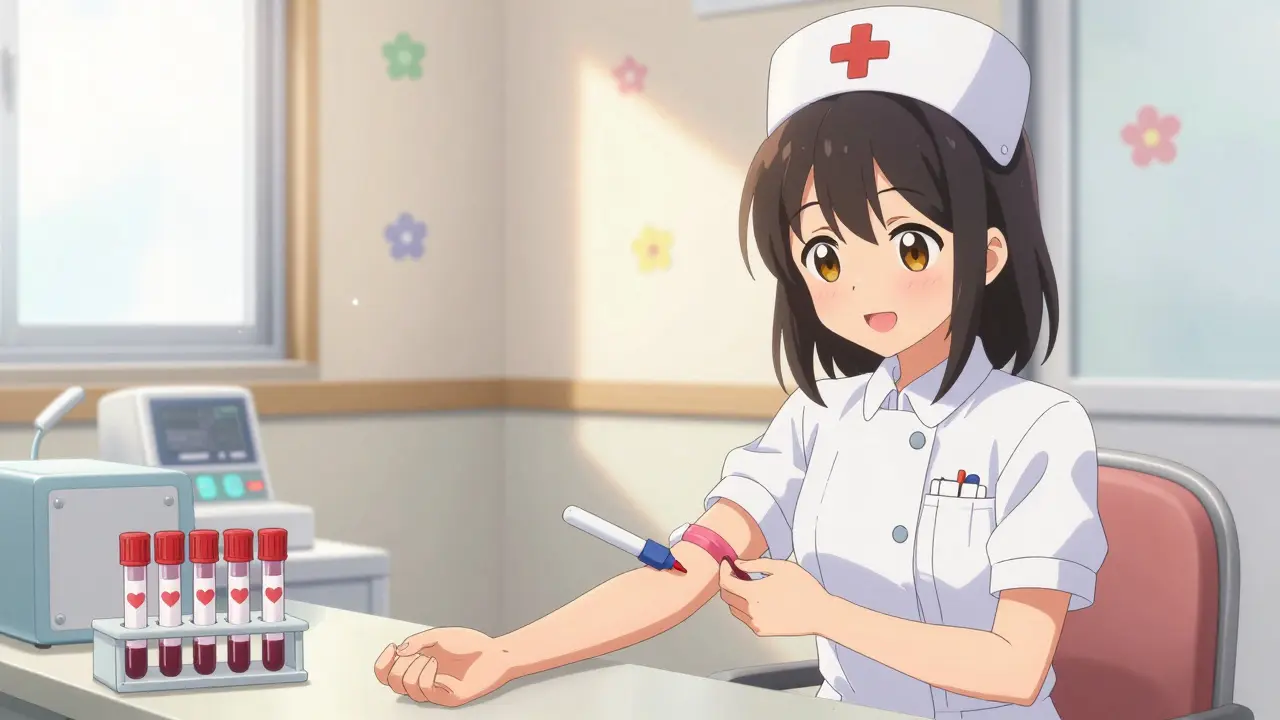
Bioequivalence studies prove generic drugs work the same as brand-name ones by comparing how they're absorbed in the body. Learn the step-by-step process, from study design to statistical analysis.
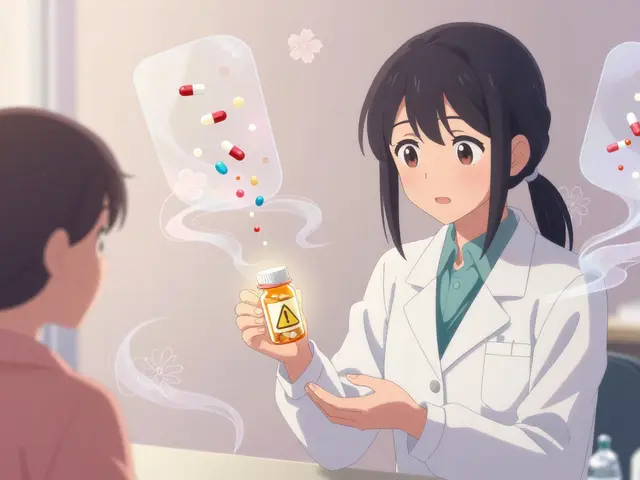
Nitrosamine contamination in generic drugs has triggered dozens of recalls since 2018. Learn how cancer-causing impurities slipped into medications like valsartan and metformin-and how the FDA is responding.

This article delves into seven noteworthy alternatives to WebMD for those seeking reliable health information. Each platform offers unique features and focuses, from expert-reviewed content to user-friendly interfaces. Readers will discover the pros and cons of each option, helping them make informed choices about where to turn for trusted medical guidance.
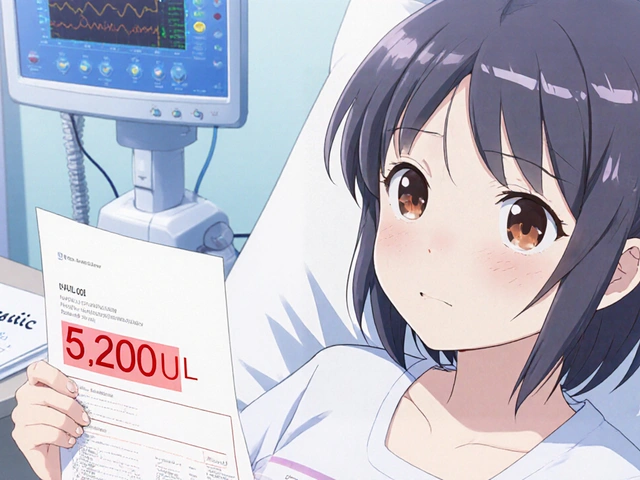
Daptomycin can cause serious muscle damage that often shows up without symptoms. Learn how to monitor CK levels, recognize warning signs, and prevent life-threatening complications during treatment.
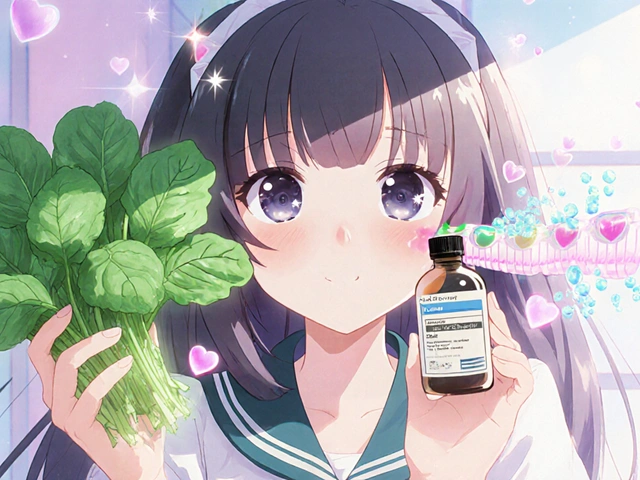
Folic acid is common in supplements, but many people can't process it. Learn how methylfolate, folate, and folinic acid work better for energy, mood, and pregnancy-especially if you have MTHFR gene variants.
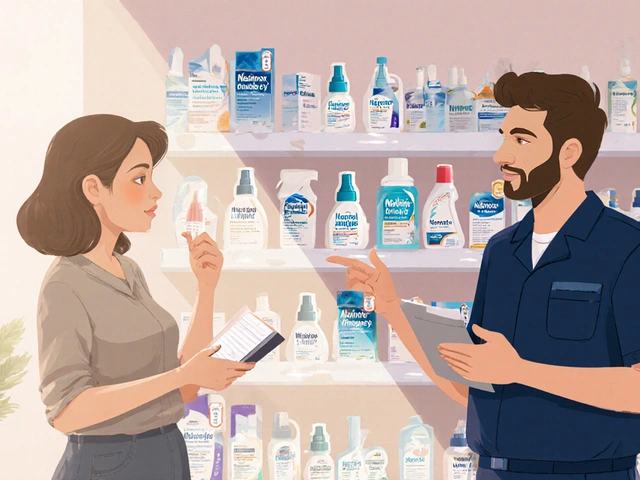
A thorough comparison of Nasonex (mometasone furoate) with Flonase, Rhinocort, Nasacort, and other alternatives, covering potency, cost, age suitability, side‑effects, and best‑fit scenarios.