
Antibiotics save lives — but misusing them makes infections harder to treat. This quick, practical guide explains when antibiotics help, how to use them safely, and what to check if you plan to buy medications online.
Antibiotics only work against bacteria. They don’t treat colds, most sore throats, or the flu. Your clinician may order a test or look at symptoms to decide if a bacterial infection is likely. If the advice is "watch and wait," follow that — unnecessary use fuels antibiotic resistance. The CDC estimates millions of antibiotic-resistant infections happen each year, so your choices matter.
Follow your prescriber’s instructions exactly. Finish the full course unless your doctor tells you otherwise — stopping early can leave some bacteria alive and encourage resistance. Keep a clear record of allergies: many people say they’re allergic to penicillin, but a confirmed allergy is less common than assumed. If you’re unsure, ask for testing.
Watch for side effects and warnings. Common reactions include stomach upset, yeast infections, and rashes. Serious reactions — trouble breathing, swelling, or high fever — need immediate care. Some antibiotics have special cautions: fluoroquinolones (like ciprofloxacin) can increase tendon injury risk in older adults; tetracyclines (doxycycline) shouldn’t be given with calcium-rich foods or to young children; metronidazole causes severe nausea with alcohol. Also tell your clinician about blood thinners, heart meds, or supplements — interactions happen.
Simple measures reduce problems: take meds with food when allowed, avoid alcohol with metronidazole, and consider a probiotic or yogurt to lower the chance of diarrhea. Store drugs in a cool, dry place and check expiry dates before use. Dispose of leftovers through pharmacy take-back programs rather than trashing or flushing.
Online pharmacies can be legit, but buyer beware. Legit pharmacies require a prescription for antibiotics. If a site sells antibiotics without asking for one, avoid it. Look for a physical address, a working phone number, clear privacy/return policies, and evidence of pharmacy licensure. In the U.S., a VIPPS seal is a good sign; in other countries check local regulatory listings.
Check the site uses HTTPS (padlock icon), offers pharmacist consultation, and displays packaging and expiry details. Compare prices — extremely low prices can mean counterfeit meds. Read independent reviews and ask your doctor if they trust the pharmacy. When your order arrives, confirm pills match the packaging, have readable lot numbers and expiry dates, and store them correctly.
If symptoms don’t improve after 48–72 hours on a prescribed antibiotic, or if they worsen, contact your clinician. Smart use of antibiotics protects your health now and keeps these medicines working for everyone.
I recently came across a study discussing the effectiveness of Minocycline for sinus infections. It turns out, this antibiotic has shown promising results in treating both acute and chronic sinusitis. The study suggests that Minocycline may reduce inflammation and bacterial growth in the sinuses, providing relief for those suffering from sinus infections. However, it's important to consult with your doctor before using this medication, as it may not be suitable for everyone. So, if you're struggling with a sinus infection, Minocycline might be worth looking into as a potential treatment option.

A detailed guide that compares Symbicort (budesonide/formoterol) with its main alternatives, covering mechanism, dosing, side effects, cost, and how to pick the right inhaler.

Discover how enzymes prevent cancer, what happens when they're lacking, and practical steps to boost protective enzyme activity for better health.
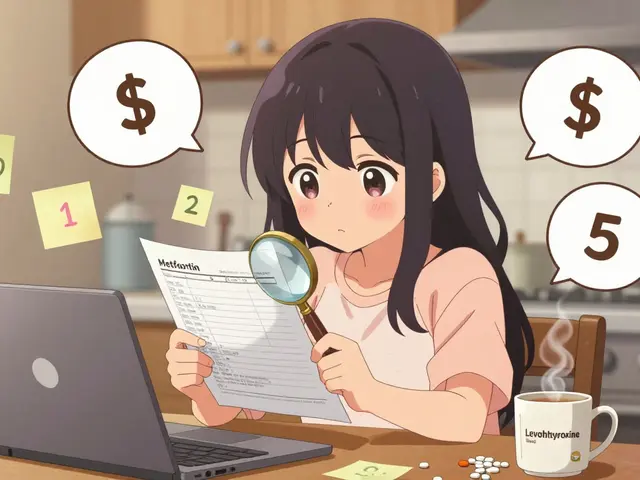
Switching health plans? Your generic drug coverage can change drastically - and cost you thousands. Learn how to check formularies, understand tiers, and avoid surprise prescription costs.

Navigating exercise with an overactive bladder can be tricky, but you don’t have to give up being active. This article breaks down how movement affects OAB, which types of workouts actually help, and what to avoid if you want to prevent leaks or accidents. Get practical tips on managing symptoms before, during, and after exercise, plus advice for building confidence when trying new routines. Say goodbye to embarrassment and uncertainty—everything here is designed for people ready to be active on their terms.
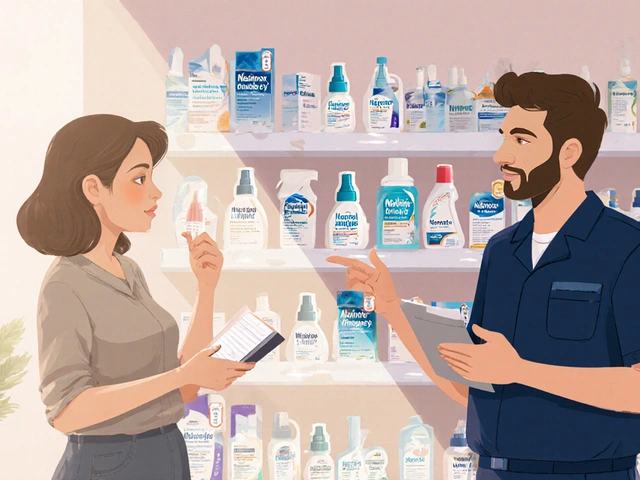
A thorough comparison of Nasonex (mometasone furoate) with Flonase, Rhinocort, Nasacort, and other alternatives, covering potency, cost, age suitability, side‑effects, and best‑fit scenarios.