
When you verify medicine, the process of confirming a drug is genuine, properly manufactured, and safe to take. Also known as drug authentication, it’s not just a safety step—it’s a life-saving habit, especially when buying online or abroad. Every year, millions of people unknowingly take fake pills that contain no active ingredient, toxic chemicals, or deadly wrong dosages. The World Health Organization estimates that 1 in 10 medical products in low- and middle-income countries are substandard or falsified. Even in the U.S., counterfeit versions of popular drugs like Viagra, insulin, and cancer treatments show up on shady websites. You can’t always tell by looking—fake pills often look identical to the real thing.
That’s why medication safety, the practice of ensuring drugs are used correctly and without risk starts before you swallow anything. Look for tamper-evident seals, correct spelling on packaging, and lot numbers that match your pharmacy’s records. Many countries now offer verification apps that scan QR codes or SMS codes on drug boxes. In the EU, the Falsified Medicines Directive requires unique identifiers on all prescription packages. In the U.S., the Drug Supply Chain Security Act is slowly rolling out similar tracking. But even with these systems, you still need to be the first line of defense. If your pharmacy won’t let you see the original box, or if the price is too good to be true, walk away. Fake drugs don’t just fail to work—they can cause organ damage, allergic reactions, or antibiotic resistance.
counterfeit drugs, medications illegally made and sold as authentic often come from unregulated factories in countries with weak oversight. Some contain chalk, rat poison, or industrial dyes. Others have the right active ingredient but at 10% of the needed dose—making them useless. And because these drugs bypass regulatory checks, there’s no guarantee of sterility or stability. A fake antibiotic might not kill your infection, letting it spread. A fake blood pressure pill could trigger a stroke. The risk isn’t theoretical—it’s documented in hospital reports worldwide.
Knowing how to verify medicine doesn’t mean you need to be a pharmacist. It means asking questions. Who made this? Where did it come from? Can I see the original packaging? Is this pharmacy licensed? If you’re buying online, check if the site requires a prescription and lists a physical address. Avoid sites that sell pills without a doctor’s note. If your insurance plan covers generic combinations or you’re using a new supplement, cross-check the manufacturer with the FDA or your country’s drug authority. Don’t assume a brand name means safety—counterfeiters copy labels perfectly.
The posts below cover real cases where people were harmed by unverified drugs, how hospitals track medication errors, why generic shortages make fake drugs more common, and what tools you can use right now to protect yourself. You’ll find guides on spotting fake insulin, understanding FDA labels, and why some supplements are riskier than others. This isn’t about fear—it’s about control. Your health doesn’t come with a warranty. But you can make sure what you take actually works.

Learn how to verify if your medicine is real using official tools like EU FMD and U.S. DSCSA systems. Spot counterfeit drugs and protect yourself with proven methods and expert tips.

Get the facts on Biltricide (Praziquantel): its uses, how it works, side effects, safety tips, and practical advice for treating tapeworms, liver flukes, and schistosomiasis.

Learn what post-stroke depression is, its causes, key symptoms, and effective treatment options, including meds, therapy, and rehab strategies.

Emotional blunting from SSRIs affects up to 60% of users, causing numbness, loss of joy, and detachment. Learn why it happens, who it impacts most, and evidence-based solutions like dose reduction and switching to bupropion.

In my latest research, I discovered that nerve blocks and injections are becoming increasingly popular in the treatment of trigeminal neuralgia. This condition is characterized by severe facial pain, and these treatments provide temporary relief by numbing the affected area. I learned that doctors often use nerve blocks as a diagnostic tool to pinpoint the source of pain and to determine the most effective treatment plan. Additionally, injections such as Botox and steroid injections can help reduce inflammation and alleviate pain. Overall, these treatments offer a promising alternative to medications and surgical procedures for individuals suffering from trigeminal neuralgia.
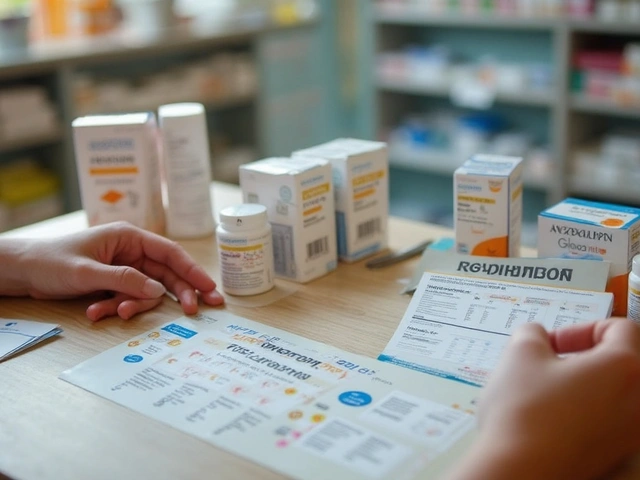
Curious which over-the-counter options stack up against amoxicillin? This article explores 10 OTC antibiotics or drugstore products with similar effects, comparing their efficacy and use. You’ll find interesting facts, tips on choosing the right alternative, and practical stats, all structured for clarity. Get ready for an in-depth, honest look at how drugstore meds measure up to this popular prescription antibiotic. From hidden risks to smart ways to shop, this guide covers what you need before making a decision.